


The Uncanny Valley Goes Prime Time: AI’s Stumble in Reimagining “Friends”
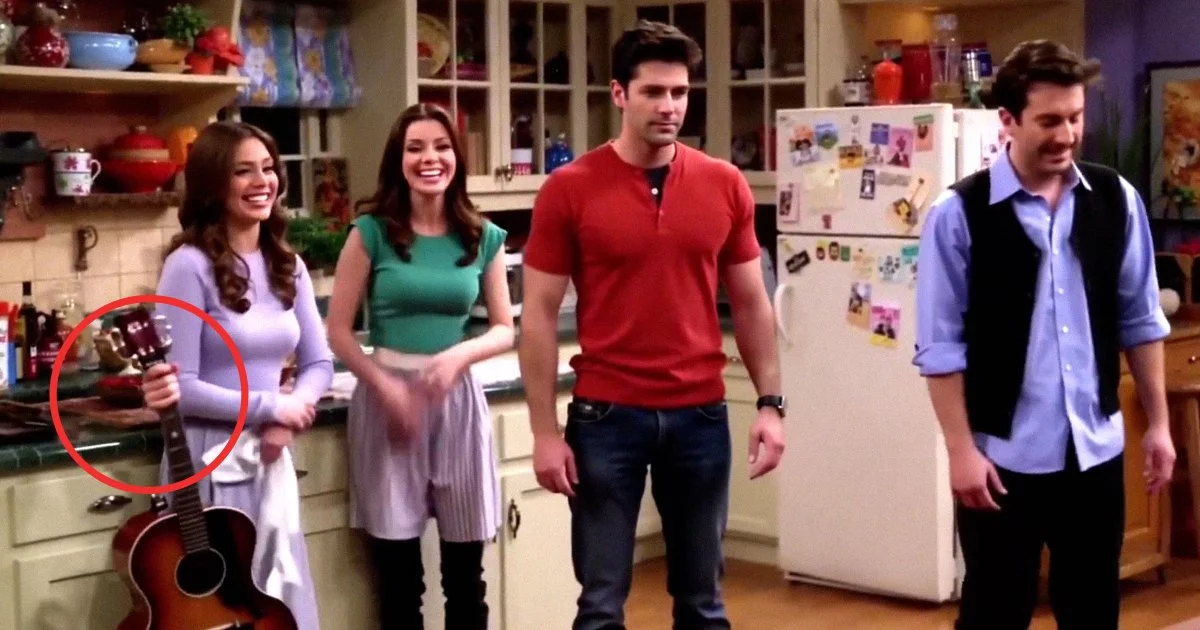
The internet’s latest viral sensation—a fully AI-generated episode of the beloved sitcom “Friends”—has become an unexpected litmus test for the state of generative video technology. What was intended as a showcase of machine creativity instead delivered a surreal, often unsettling spectacle: faces that melted and reformed with each frame, dialogue that veered from the nonsensical to the downright bizarre, and a narrative logic that evaporated on contact. The collective response, oscillating between amusement and dismay, reveals a hard truth for the entertainment industry: despite billions invested in research and development, generative AI remains ill-equipped to shoulder the creative burdens of premium storytelling.
Where the Technology Falters: Anatomy of a Synthetic Shortfall
The technical underpinnings of the “AI-Friends” episode illuminate the current chasm between ambition and capability in text-to-video models. Four core limitations stand out:
- Temporal Coherence Deficit: Today’s diffusion and transformer-based models excel at generating single, striking images. But when tasked with animating continuous scenes, they falter—limbs drift, faces morph, and the spatial logic of a sitcom set dissolves. This is not a mere data problem; it’s a structural one, rooted in architectures never designed for the relentless demands of moving pictures.
- Semantic Compression and Dialogue Breakdown: The brittle repartee of the AI-generated cast exposes the inability of large language models to sustain multi-character comedic timing. Context is lost, wit is flattened, and what emerges is a string of surreal non-sequiturs—a far cry from the sharp, human-crafted banter that made “Friends” iconic.
- IP and Voice Cloning Risks: The unauthorized mimicry of actors’ likenesses and voices edges into fraught legal territory, echoing the central anxieties of recent Hollywood labor disputes. As U.S. and European regulators tighten their grip on digital replication rights, developers and studios alike find themselves navigating a minefield of compliance and creative risk.
- Compute Cost Paradox: Each minute of the AI episode required hours of GPU processing and painstaking manual prompt engineering. The resulting cost-to-quality ratio is not only unsustainable but also inferior to traditional VFX workflows—an inconvenient truth for studios eyeing AI as a shortcut to cheaper content.
The Business of Synthetic Content: Economics, Labor, and Brand Peril
The viral backlash to the AI “Friends” episode lands at a pivotal moment for streaming platforms and content owners. With subscriber growth plateauing and acquisition costs climbing, the allure of generative AI as a margin savior was palpable. Yet, the experiment’s failure to meet even baseline quality standards has triggered a market reality check:
- Brand Equity at Risk: For IP owners like Warner Bros. Discovery, whose “Friends” franchise is a syndication juggernaut, rogue AI reinterpretations threaten not just revenue but also the integrity of the brand. Studios are now accelerating efforts to watermark authentic content and police unauthorized synthetic derivatives.
- Labor Relations Recalibrated: The public’s discomfort with AI-generated entertainment has, perhaps ironically, fortified the negotiating position of creative unions. The Writers Guild and SAG-AFTRA can now point to tangible evidence that audiences still crave—and reward—human ingenuity.
- Venture Capital and Strategic Shifts: Investor enthusiasm for “text-to-Hollywood” startups is cooling. Capital is likely to pivot toward AI tools that augment, rather than replace, creative professionals—think automated pre-visualization, localization, or B-roll generation. Studios are advised to pilot small-scale projects, gathering internal data before risking consumer-facing releases.
Navigating the Next Act: Risk, Regulation, and the Road Ahead
Beyond the immediate spectacle, the AI “Friends” episode has surfaced deeper, less obvious currents shaping the future of synthetic media:
- Synthetic Risk Premium Emerges: Insurers are quietly recalibrating coverage for entertainment IP portfolios vulnerable to deepfakes and generative spoofs. Executives should revisit risk assessments and policy exclusions in light of this evolving threat landscape.
- Audience Authenticity Index: Contrary to industry assumptions, Gen Z viewers—despite their digital nativity—report higher discomfort with uncanny AI video than their millennial counterparts. The myth of a universally AI-accepting youth market may be just that: a myth.
- Environmental Optics: The heavy compute demands of current generative models undermine claims of AI as a green alternative to traditional production. Studios seeking ESG credibility must develop and disclose more robust energy-efficiency metrics.
Looking forward, the near-term commercial adoption of generative video will likely be confined to low-stakes applications: advertising pre-visualization, animated explainers, and international dubbing. High-value scripted content will remain, for now, the domain of human creators. Strategic recommendations for studios and tech developers include investing in “human-in-the-loop” pipelines, securing digital likeness rights, and establishing executive-level synthetic media risk committees—a prudent response to a rapidly shifting landscape.
The viral “AI-Friends” episode is not the dawn of a new creative era, but a public stress test exposing the limits of today’s generative technology. For industry leaders willing to recalibrate expectations and double down on augmentation rather than substitution, the lessons of this moment may yet yield a durable competitive edge.


 By
By
 By
By
 By
By
 By
By

 By
By
 By
By







