
Generative AI Meets Interactive 3D: A Collision of Hype and Hard Limits
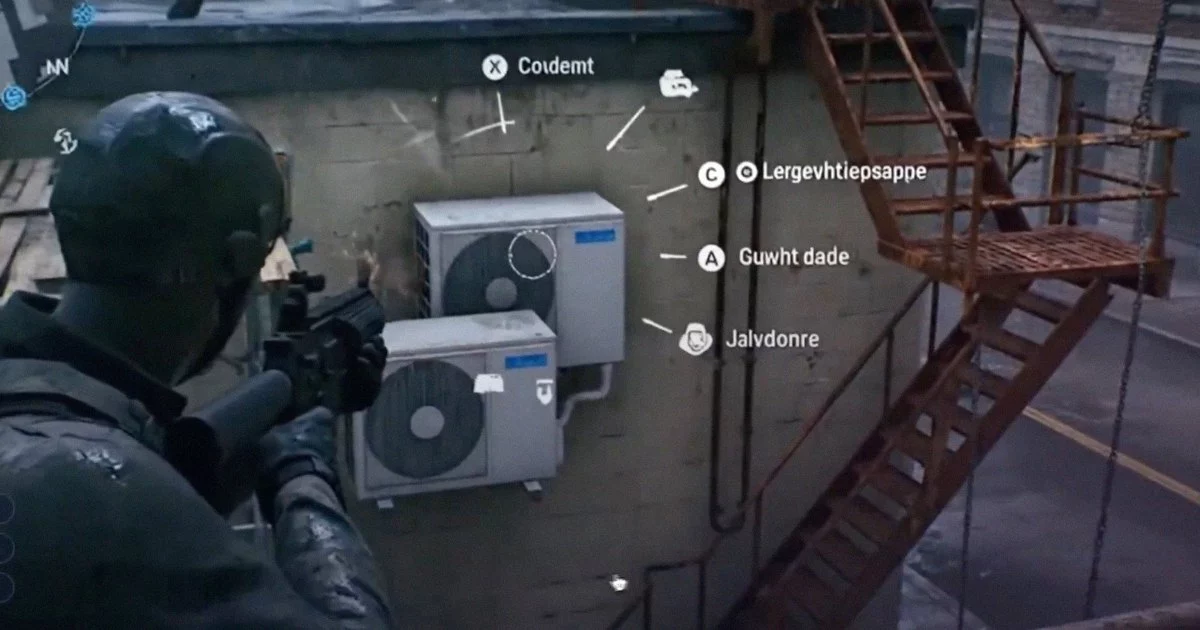
The digital world watched with rapt attention as an 84-second generative AI demo, orchestrated by investor Matt Shumer, swept across social feeds last week. Marketed as a harbinger of AI-driven interactive entertainment, the first-person shooter clip instead became a crucible for the technology’s most glaring deficiencies. Scene transitions stuttered, object permanence dissolved, and textures blurred into abstraction—an uncanny valley not of realism, but of coherence. The online verdict was swift and unsparing, exposing a chasm between the promise of text-to-video generation and the uncompromising demands of modern game development.
Where Generative Models Falter: The Anatomy of a Shortfall
The technical autopsy of the demo reveals a landscape where generative AI’s creative exuberance collides with the unyielding logic of interactive systems. Current diffusion-based video models, the darlings of AI-driven content, excel at producing short, visually striking vignettes. Yet, their prowess evaporates when tasked with the discipline of real-time gameplay:
- Spatial Consistency and Control: Unlike traditional engines that orchestrate assets, physics, and player input through modular, deterministic pipelines, generative models remain monolithic. A single prompt yields a fully rendered clip, but leaves no room for the branching logic, player agency, or state synchronization that define interactive experiences.
- GPU Footprint and Efficiency: The computational cost of generating mere seconds of AI video rivals, and sometimes exceeds, that of rendering entire levels in industry-standard engines like Unity or Unreal. Yet, the output lags far behind in both resolution and frame-rate stability—a sobering reminder that raw compute alone cannot conjure gameplay magic.
- Text and UI Rendering: Token-based architectures treat letters as visual noise, resulting in illegible UI elements and undermining the semantic clarity essential for player engagement.
- Procedural Generation vs. Generative AI: While algorithmic content in titles like *No Man’s Sky* or *Minecraft* achieves scale and coherence through rule-based systems, generative diffusion networks must evolve toward hybrid architectures—melding statistical creativity with symbolic rigor.
Economic Realities and Strategic Calculus in the AI-Gaming Nexus
The spectacle of generative AI’s limitations arrives amid a surge of capital into gaming’s AI frontier—nearly $5 billion in 2023 alone. Yet, the lion’s share of investment gravitates toward asset-level workflows, such as concept art and texture optimization, rather than the elusive holy grail of end-to-end content generation.
- Budgetary Pressures and Cost Structures: With AAA titles routinely surpassing $150 million in development costs, even modest reductions in concept design labor can yield significant margin gains. However, if AI-generated scenes require extensive manual reconstruction for coherence, those savings quickly evaporate.
- Compute Economics: The prohibitive GPU costs of high-resolution, multi-hour generative gameplay mean cloud providers, not studios, currently reap the rewards. Only the advent of specialized inference silicon—think next-generation RTX or custom neural clusters—promises to shift the economic balance.
- IP and Legal Terrain: As legal scrutiny intensifies over the provenance of training data, studios’ tolerance for “black-box” models is waning. The industry is still reeling from high-profile litigation, recalibrating its risk appetite for generative workflows.
Navigating the Trough: Strategic Pathways and Industry Implications
The Shumer episode marks a classic “Peak of Inflated Expectations” for text-to-game generation. As the hype recedes, a more nuanced, pragmatic approach is emerging among industry leaders:
- Hybrid Pipelines and Engine Integration: Established engines—Unity, Unreal, Godot—are poised to become orchestration layers, invoking AI micro-services for asset generation while retaining their supremacy in physics, input latency, and multiplayer management.
- Cloud and Compute Partnerships: Hyperscalers are aggressively courting studios with credits and custom tooling, anticipating generative games as major compute sinks.
- Talent and Organizational Shifts: Studios are actively recruiting AI researchers with reinforcement learning expertise to build “co-pilot” authoring tools. Yet, the most sought-after talent will be designers who can bridge creative direction and prompt engineering—a hybrid skill set that may define the next era of interactive storytelling.
Forward-thinking organizations are already charting a technology roadmap that prioritizes asset-specific GenAI in the short term, invests in scene graph-aware models over the next three years, and keeps a watchful eye on transformer-physics fusion and NeRF-based environment generation for the longer horizon. Economic strategy is shifting toward option-pool R&D budgets, milestone-based capital releases, and joint ventures with GPU vendors to lock in compute resources ahead of anticipated surges.
The Road Ahead: From Hype to Hard-Won Progress
The generative AI demo that sparked this debate does not signal the demise of AI’s role in interactive entertainment. Rather, it serves as a clarifying moment—a reality check on the architectural, economic, and creative challenges that must be overcome. Studios and investors who distinguish between asset-level automation and the far more complex goal of AI-authored gameplay will be best positioned to capture the upside as the technology matures. As the industry moves beyond spectacle toward substance, the next five years will be defined not by viral demos, but by the quiet, rigorous work of integrating AI into the living, breathing heart of interactive worlds.

 By
By
 By
By
 By
By

 By
By
 By
By
 By
By
 By
By