


Redefining Adventure: The Rise of Age-Inclusive, Experience-Driven Travel
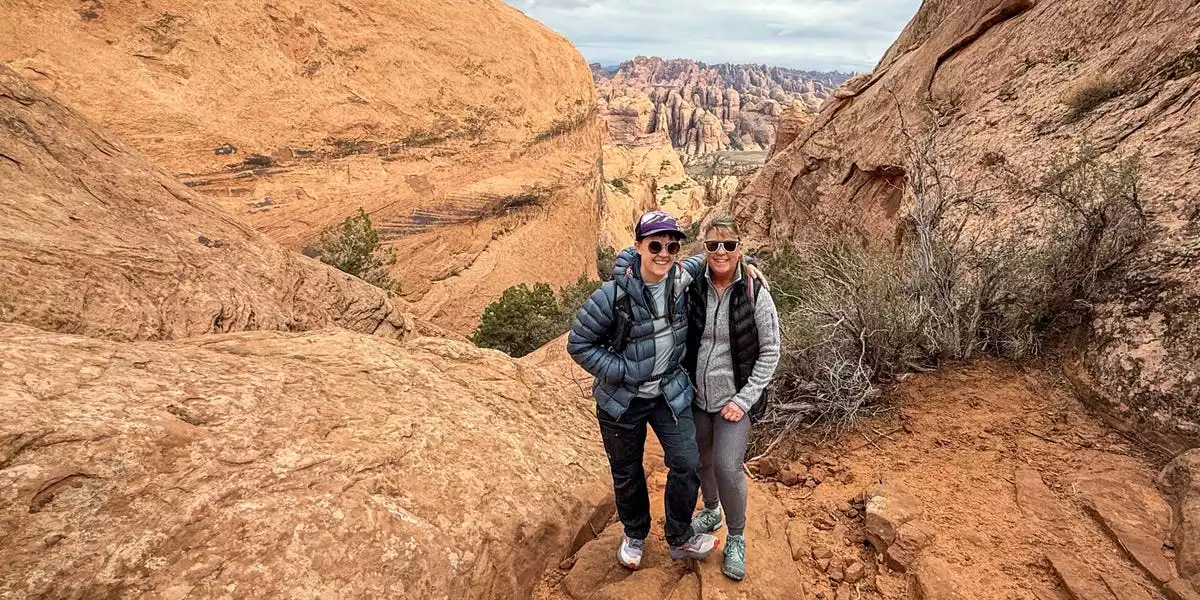
In the red rock canyons of Moab, Utah, a quietly radical shift is underway. A recent account of a 63-year-old retiree and her adult daughter, navigating a thoughtfully curated itinerary of canyoneering, hiking, and astrophotography, offers more than a charming travelogue. It is a window into the evolving contours of global adventure tourism—where the boundaries of age, ability, and aspiration are being redrawn by demographic momentum, digital enablement, and a new ethos of intergenerational connection.
The Silver Surge: Demographics, Desire, and Dollars
The world is getting older, but it is also getting bolder. The swelling ranks of the 55-to-75 cohort—buoyed by longevity gains and a lifetime of accumulated wealth—are reshaping the travel landscape. No longer content with passive sightseeing, older travelers are seeking experiences that validate their vitality and foster meaningful bonds across generations. This is not a marginal trend: North American travelers over 55 now outspend their Gen-Z counterparts by approximately 30% per trip, according to MMGY Global’s 2023 data.
Yet, a disconnect persists. The adventure travel industry, from gear design to marketing language, remains stubbornly youth-centric. Insurance bundles, product fit, and brand imagery often overlook the nuanced needs of the active-aging segment. The Moab vignette is a case study in what’s possible when thoughtful planning, qualified guides, and strategic lodging converge to make adventure accessible—without sacrificing authenticity or challenge.
Key demographic and economic insights:
- Older travelers prioritize aspirational, story-rich adventures.
- Disposable income is increasingly channeled toward experiences, not possessions.
- Product and service design lag behind demand, revealing a sizable addressable gap.
Modular Itineraries and Tech-Enabled Risk Management
The deliberate pacing of the Moab journey—one strenuous activity per day, balanced with restorative downtime—reflects a growing industry consensus: modular, tiered-intensity itineraries are the future. Adventure brands are codifying best practices that allow travelers to calibrate challenge and recovery, often powered by dynamic itinerary engines parsing biometric or preference data from wearable devices.
This risk-managed design is not just about comfort; it is about inclusion. Digital platforms now enable frictionless trip discovery, route optimization, and last-mile guidance. The seamless booking experience described in Moab owes much to real-time inventory APIs—technology that democratizes access for smaller operators and tailors experiences to individual needs.
Emerging trends in experience design:
- Dynamic itinerary engines adjust activities based on real-time health or preference data.
- AI-driven platforms streamline discovery, booking, and on-the-ground guidance.
- Night-sky tourism, enabled by advances in low-light imaging, is opening new frontiers for experiential travel.
The Post-Pandemic Premium: Meaningful “Firsts” and the New Value Equation
Despite inflationary pressures and economic headwinds, the appetite for experiential travel remains robust. The psychology of “worth-it” spending—privileging memorable firsts over marginal savings—has proven remarkably resilient. Moab’s hospitality sector, for instance, has seen average daily rates climb 18% above 2019 levels, with occupancy rates holding strong even in shoulder seasons.
High-value, low-throughput adventure itineraries can command premium pricing when they deliver authenticity and local connection. Strategic convergences are emerging: health insurers piloting discounts for seniors in guided adventure programs, outdoor brands offering equipment-as-a-service subscriptions, and destinations like Moab blending reliable broadband with soft adventure to attract multigenerational travelers and remote workers alike.
Strategic implications for industry stakeholders:
- Integrate adaptive gear and graduated difficulty tracks to serve the 55+ explorer.
- Leverage API partnerships with wearable and imaging companies for personalized, data-driven experiences.
- Collaborate with public and private partners to create “adventure hubs” and manage capacity sustainably.
Charting the Next Frontier: Health, Technology, and Place-Based Authenticity
The Moab narrative is less an isolated anecdote than a harbinger of an accelerating industry pivot. Adventure tourism is expanding its addressable market, powered by modular trip designs, risk-mitigation technology, and a resilient hunger for meaningful, intergenerational experiences. The most forward-thinking operators—those who harmonize health, technology, and the authenticity of place—will define the next chapter of the experiential economy.
As private equity eyes roll-ups of regional guide services and outdoor brands experiment with new subscription models, the competitive landscape is shifting. The winners will be those who not only recognize the economic might of the silver segment but also design for its complexity—crafting journeys that are as inclusive as they are aspirational. In Moab and beyond, the future of adventure belongs to those who dare to reimagine who gets to participate—and how.

 By
By
 By
By
 By
By
 By
By
 By
By
 By
By

 By
By







