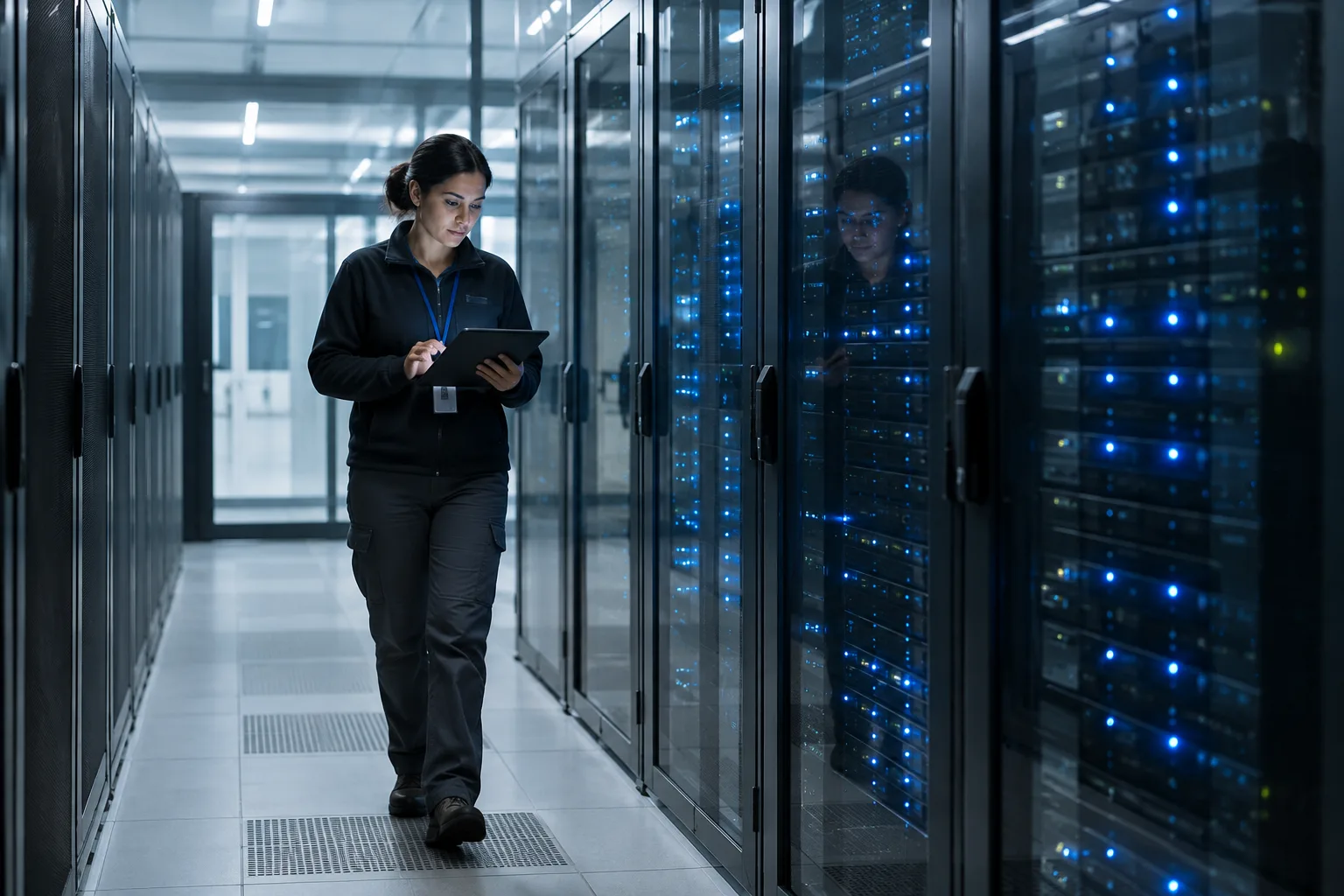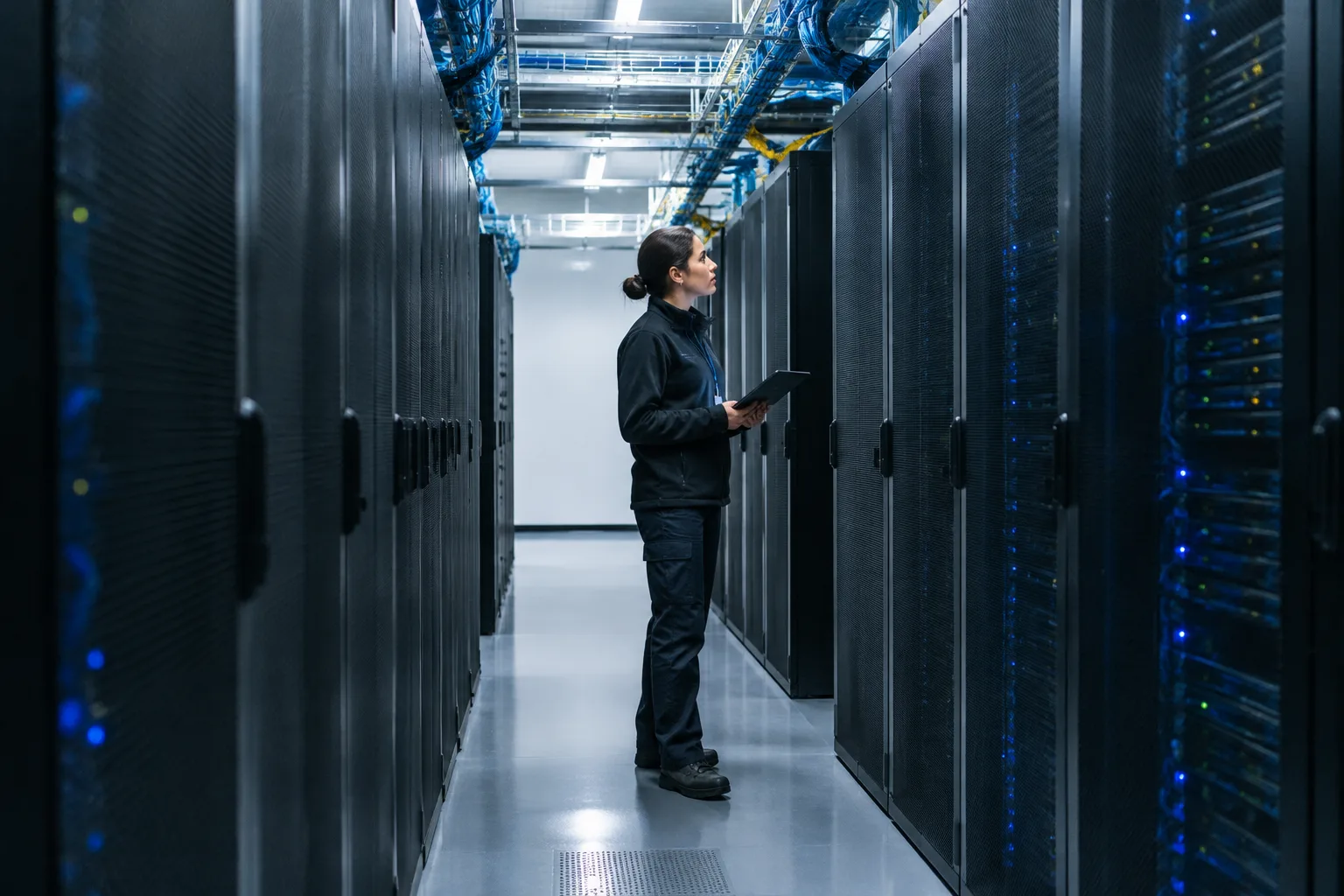

SpaceX has lined up one of the biggest capital commitments yet for AI infrastructure. In an October 26 announcement from Apollo, the firms said SpaceX has a binding commitment to enter an approximately $40 billion master finance lease for GPU pods and related equipment. That matters because this is not just a big hardware order. It is an attempt to treat AI compute as financeable equipment at enormous scale, using SpaceX’s broader cash-generating businesses to support the credit.
The real question is whether this is a repeatable way to fund AI capacity, or whether it simply turns upfront capex into long-term lease obligations before demand, power and returns are fully proven. The answer, based on what is public today, is that the structure is credible enough to matter immediately to chips, data centers and private credit — but the business proof still has to arrive.
Lease the chips, not just the data center
Apollo’s description is more precise than Elon Musk’s social post a day earlier claiming SpaceX had closed a $40 billion debt-financing deal for GPUs. The public announcement says something narrower and more important: an Apollo-managed entity is expected to acquire the graphics-processing equipment and lease it to SpaceX for use at data centers selected by SpaceX. Reuters, in reporting carried by Investing.com, described the transaction as roughly $40 billion in total principal payments for data-center hardware, including AI chips.
That distinction changes how the deal should be read. In a normal capex model, the operator buys the hardware and carries the full upfront cash burden. Here, Apollo’s vehicle buys the GPU pods and related servers or finances them, while SpaceX takes on the lease obligation and the operating job: finding sites, securing power, commissioning the systems, keeping them busy and generating enough cash flow to justify the economics.
The structure does not remove risk so much as reassign it. SpaceX still carries utilization risk, energy and maintenance costs, software and networking execution, and the danger that newer accelerators arrive before the leased machines have earned their keep. Apollo, for its part, is exposed to the quality of SpaceX’s lease payments and to the residual value of specialized hardware that can depreciate economically faster than its accounting schedule.
That is why Apollo’s own release is full of conditions rather than victory laps. It flags the timing of closing, deployment and utilization, monetization of SpaceX’s products and compute infrastructure, future debt levels and financing terms as forward-looking matters. In other words, this is a binding commitment to enter a lease, not a public record that every dollar is already funded and every rack is already powered on.
Why SpaceX can try what a pure AI cloud often cannot
What makes the transaction significant is not just its size but who is doing it. SpaceX can point lenders to businesses outside data centers. Musk said Starlink and launch revenue helped preserve access to credit; the strategic point holds even without taking that claim as a guarantee. A company with subscription revenue from satellite broadband and cash flow from launches looks very different, from a financing perspective, than a single-purpose “neocloud” whose fortunes rise and fall entirely with rented GPU demand.
SpaceX’s latest Form 10-Q for the quarter ended September 30 shows why that argument can resonate with credit providers. The company reported $38.006 billion of aggregate debt as of September 30, with no material debt principal payments due until July 15, 2031. It also reported $43.206 billion of servers and networking equipment, $6.333 billion of data-center infrastructure and $5.167 billion of land, buildings and improvements. Construction in progress, the filing said, is primarily servers, networking equipment and data-center infrastructure not yet placed in service.
Those numbers should not be conflated with the new Apollo lease, whose equipment mix and delivery schedule remain undisclosed. But they do show that SpaceX is already building compute capacity at a scale large enough to make a dedicated asset-finance structure plausible. They also show why the market is paying attention: a roughly $40 billion lease stack is material by any measure when compared with SpaceX’s existing $38.006 billion debt load, even if the eventual accounting treatment differs from funded debt.
The company’s own risk language is just as important as the balance-sheet heft. SpaceX says expanding compute depends on data-center buildouts, sufficient power, GPUs and other components, and management of cost, timing and operational risk. Its infrastructure-cost disclosures already include depreciation of servers and networking equipment, data-center facilities, lease and hosting costs, maintenance, energy, bandwidth and employee compensation. That is a reminder that the expensive part of AI capacity is not only the chip.
What has to go right before this becomes a template
If this works, it could open a meaningful financing lane for the AI industry. Chip and networking vendors get a buyer with institutional capital behind it. Data-center developers get a better-capitalized tenant. Cloud buyers and AI startups could see more available compute without waiting for operators to fund every accelerator purchase with equity or balance-sheet cash. Private-credit firms get a new asset class tied to one of the strongest demand themes in tech.
But the missing details are the difference between a financing breakthrough and an expensive capacity bet. The public materials do not disclose GPU models, quantities, lease tenor, implicit financing rate, maintenance obligations, purchase options, delivery dates, security interests or covenants. They do not identify the data centers, contracted power, or how much of the compute will serve SpaceX’s own systems versus external customers. They also do not resolve whether the transaction had legally closed as of October 26; Musk called it closed, while Apollo described a binding commitment to enter the lease and highlighted closing contingencies.
For readers trying to judge whether this is scalable, five checkpoints matter more than the headline number. First, whether the lease actually closes on disclosed economic terms. Second, how quickly GPU pods move from commitment to operation. Third, whether power and networking arrive on time at the selected sites. Fourth, whether SpaceX can keep the hardware utilized at pricing that covers lease payments and operating costs. Fifth, whether lease obligations grow more slowly than the cash flow generated by the compute business.
That makes the Apollo-SpaceX deal important even before all the facts are in. It suggests institutional capital is willing to underwrite AI hardware exposure when the lessee has diversified operating cash flows and a large existing infrastructure base. It does not yet prove that leased compute is safer, cheaper or more profitable than conventional capex. For now, the deal is best understood as a live test of whether AI capacity can be financed against businesses like Starlink and launch services — or whether the industry is simply moving risk from the purchase order to the lease schedule.

 By

 By

 By

 By

 By