
Waymo has closed a $5 billion term loan, its first debt financing, marking a notable shift in how the robotaxi business is being funded. The company said Oct. 8 that the loan will help accelerate expansion of its fully autonomous ride-hailing service in the U.S. and internationally. That matters less as a headline financing total than as a balance-sheet signal: Waymo is no longer relying only on Alphabet’s support and equity capital to scale a still capital-intensive transportation network.
The immediate reader question is straightforward: does this mean robotaxis now produce the kind of predictable cash flows that can support infrastructure-style borrowing, or is this mainly a way to expand without raising more equity after an already large funding round?
The best answer, based on what is public, is that the loan shows serious lenders are willing to finance Waymo’s next phase, but it does not yet prove the underlying service is generating durable, city-level economics on its own.
Waymo said the financing closed with PIMCO, Blackstone, and Sixth Street as lead syndicated lenders. Capital Group, Loomis Sayles, and T. Rowe Price were named as significant lenders, with Apollo, Blue Owl, Diameter Capital Partners, Franklin Templeton, Fidelity Management & Research Company, HPS Investment Partners, and Oaktree also participating. Goldman Sachs was sole lead bookrunner. The deal follows a $16 billion equity investment announced earlier in 2026 that valued Waymo at $126 billion post-money. Waymo also said it launched service in its fifteenth U.S. city in September and has announced additional international cities.
That sequence matters. Equity and debt do different jobs. Equity gives a company room to absorb uncertainty about demand, launch timing, safety setbacks, and regulation. Debt introduces a schedule. Even if the technology works and rider adoption grows over time, lenders still expect repayment under agreed terms. That makes utilization, uptime, and the speed of city openings more financially consequential.
What changes when robotaxi growth is funded with debt
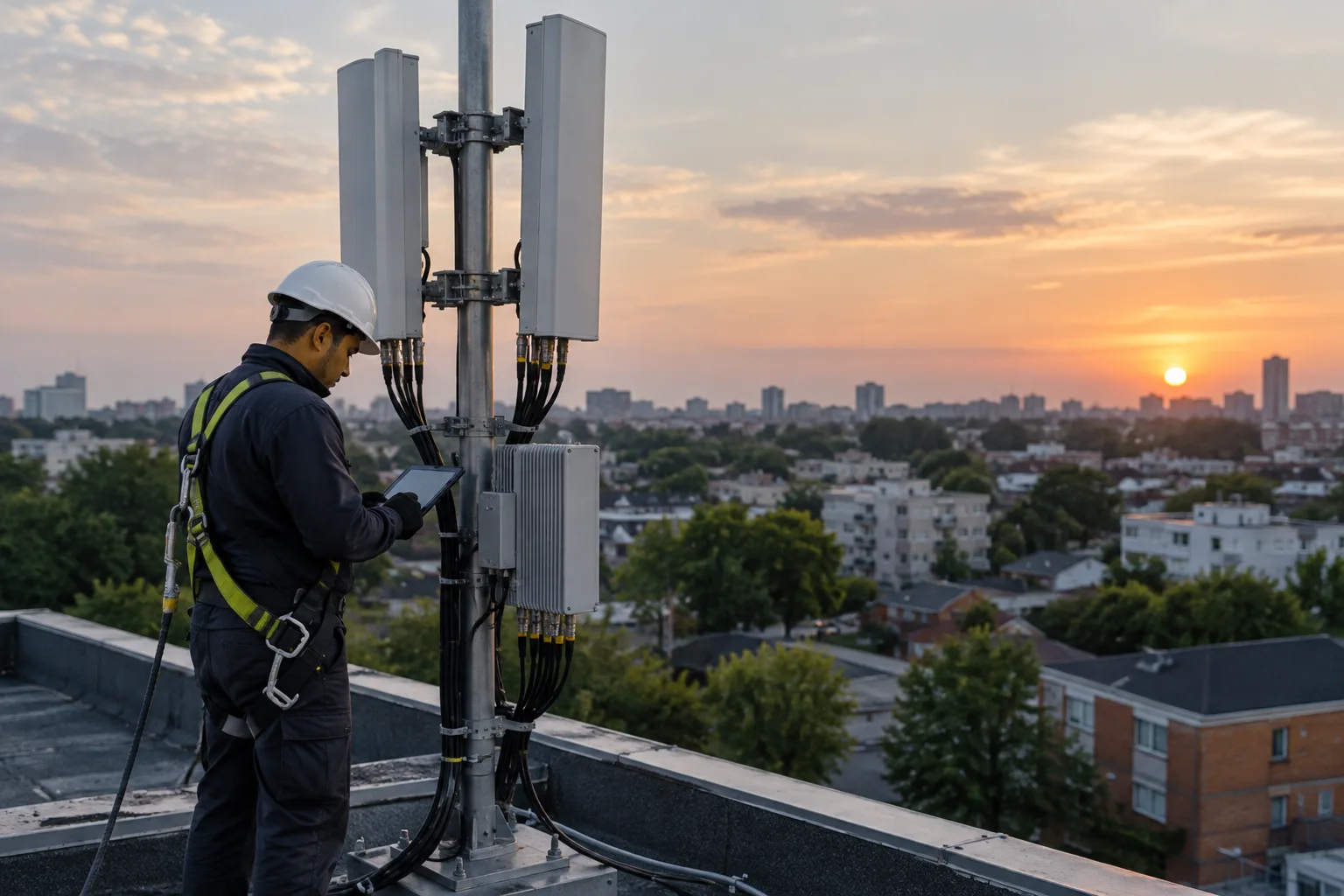
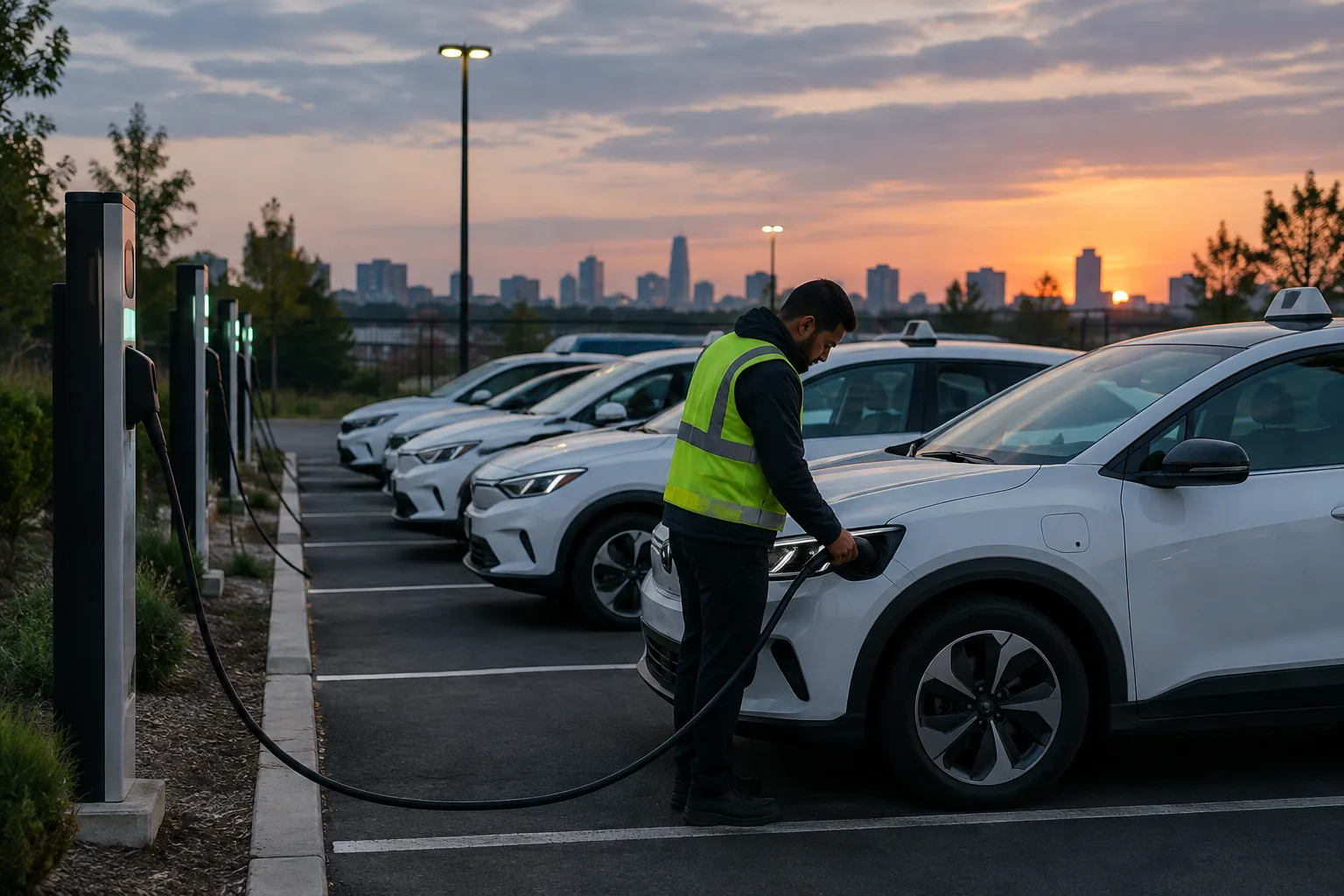
A robotaxi network is not a pure software business. Opening and operating each market requires vehicles and sensors, vehicle integration, mapping and high-definition data, compute, charging and maintenance, local operations, customer support, remote assistance, insurance, and regulatory approvals. Those costs arrive before a market is mature.
That is why this deal is a commercialization milestone, not simply a funding announcement. A company can raise equity on the promise that scale will eventually improve economics. A lender, by contrast, is exposed to whether the business can keep servicing obligations if new-market ramps take longer than expected or if incidents reduce uptime.
Waymo’s own materials point to operating scale: the company says its safety analysis covered more than 270 million fully autonomous miles through June 2026 across five major metropolitan service areas. That is meaningful as evidence that Waymo is operating a real network at volume. It is not the same thing as a profitability audit.
The public record still does not show the metrics that would let outsiders judge debt capacity from operations. Waymo has not disclosed revenue, free cash flow, rides per vehicle per day, contribution margin per ride, fleet size, utilization, maintenance costs, insurance costs, remote-assistance staffing, or city-level profitability. It also has not disclosed the loan’s interest rate, maturity, amortization, covenants, collateral, draw conditions, or whether Alphabet guarantees or otherwise supports the debt.
Without those terms, the most important commercial question remains open: are lenders underwriting repeatable ride revenue, valuable fleet and operating assets, or the strategic reality that Alphabet is unlikely to let its autonomous-driving subsidiary stall mid-expansion?
What lenders may be underwriting
There is good reason not to dismiss the financing as symbolic. Waymo did not merely signal lender interest; it closed a large term loan with a heavyweight private-credit and asset-management group. That suggests at least some institutional investors believe the company has a credible path to support leverage while continuing to expand. The combination of a recent $16 billion equity raise, a $126 billion valuation, and a fifteenth U.S. city also gives lenders a thicker capital cushion beneath them than most venture-backed mobility companies could offer.
But the counterpoint is just as important. Lender participation is not proof that robotaxi operations are already self-funding. The financing could reflect confidence in Waymo’s strategic position, market lead, and parent backing as much as confidence in current ride economics. In private credit, those distinctions matter. A loan effectively underwritten to an expansion story with strong sponsors says something different from a loan underwritten to stable, disclosed operating cash flow.
That distinction is especially relevant in robotaxis because growth can raise fixed-cost exposure before it improves margins. A new city can add network effects and rider awareness, but it also adds vehicles, depots, charging infrastructure, permitting work, local compliance, and operating staff. If cars spend too much time empty, offline, or in low-demand zones, the economics can deteriorate quickly. The industry’s appeal has always rested partly on the idea that autonomous vehicles can generate more paid hours than human-driven cars. Whether that advantage survives vehicle cost, maintenance, remote operations, insurance, and incident-related downtime is the commercial puzzle lenders are now helping finance.
There is also still live operating risk. TechCrunch reported that U.S. regulators have investigated Waymo robotaxis over school-bus behavior and a child collision. Those investigations do not establish that the model is unsafe or uneconomic. They do underline that safety and regulatory scrutiny remain variables that can affect launch timing, public trust, and fleet availability.
The scorecard for what this deal actually proves
For Alphabet shareholders, city officials, infrastructure investors, and competitors such as Uber, Amazon’s Zoox, and Tesla, this financing is best read as a new phase marker. Autonomous mobility is starting to be financed less like a long-range research project and more like a capital-intensive operating network. That is an important change, but it is not the same as proof that the network has reached durable profitability.
The practical scorecard from here is narrower than the headline number. First, separate the $16 billion equity raise from the $5 billion loan: the former absorbs risk, the latter imposes discipline. Second, watch for operating disclosures that would show whether the business can support debt from its own activity: paid rides, revenue per vehicle, utilization, uptime, and gross margin after vehicle and remote-operations costs. Third, watch the cadence and cost of new-city launches relative to actual service levels, not just announcements. Fourth, press for clarity on loan maturity, covenants, and any parent support, because those details determine how forgiving this capital really is.
Waymo’s debt deal says something real: major lenders are willing to finance robotaxi expansion at scale. What it does not yet say is whether robotaxis have crossed from impressive operating achievement into a repeatable, stand-alone credit business. Until Waymo discloses more about both the loan and the business underneath it, the financing is best understood as a bet that commercialization can outrun the burden of fixed repayment—not as confirmation that it already has.

 By
By
 By
By
 By
By
 By
By
 By
By

 By
By