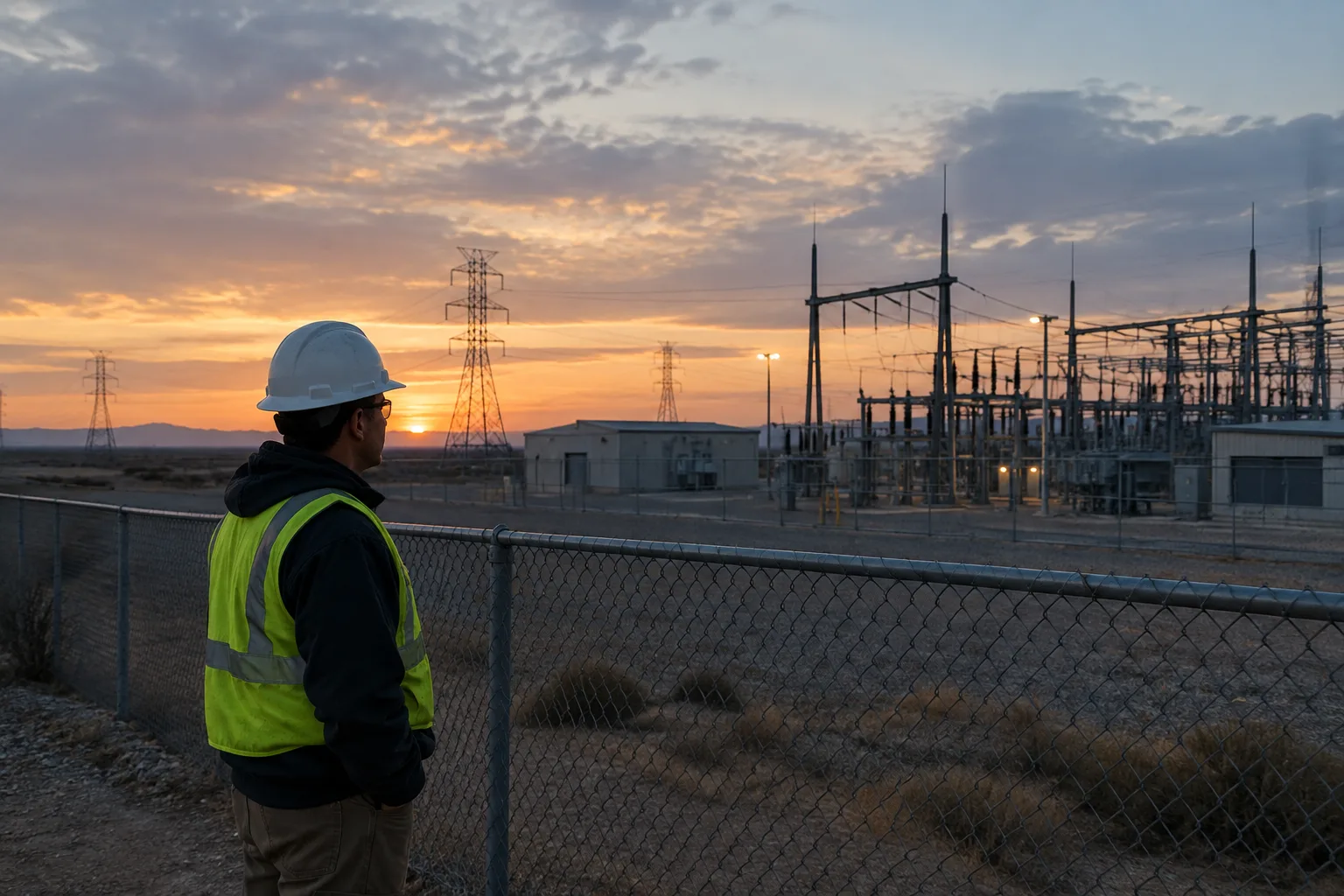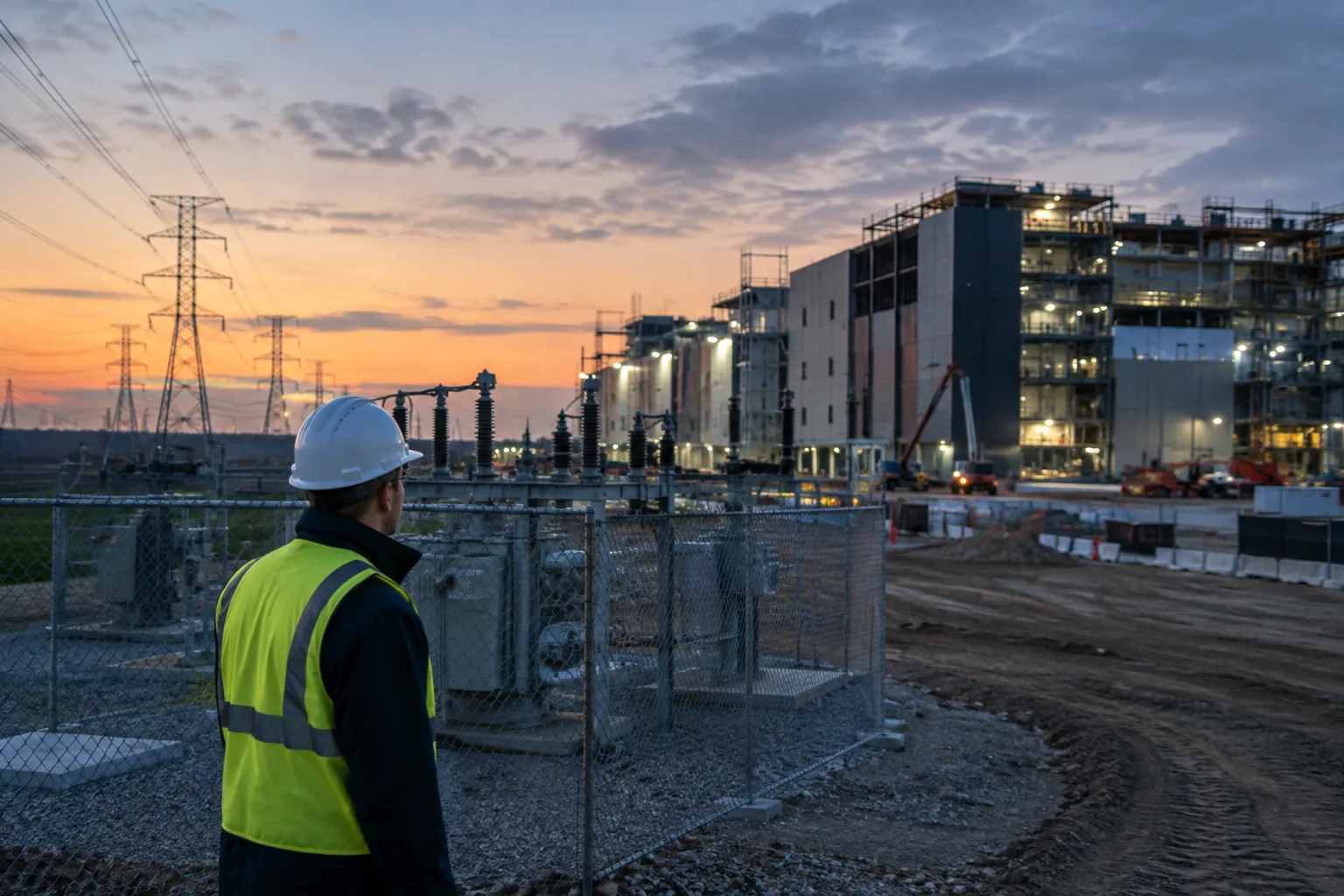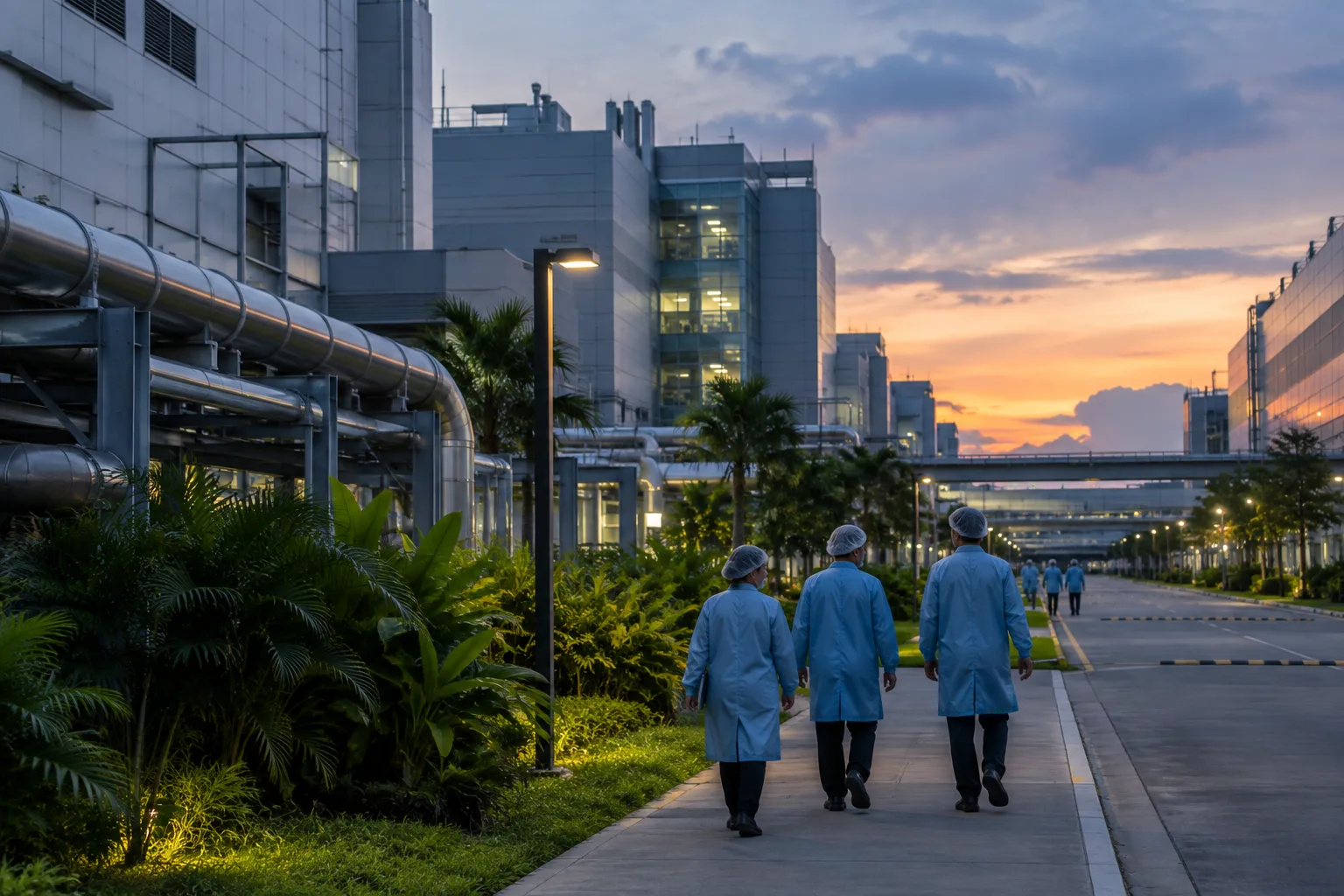

VSMC on September 28 marked the opening of its first 300mm wafer fab in Singapore, a milestone that matters less for headline-grabbing AI accelerators than for the quieter chips and packaging components that complete entire systems. The Tampines plant has entered risk production after 22 months of construction, with volume production scheduled for the first quarter of 2027. Just as notable, VIS chairman Leuh Fang said the fab’s capacity is already fully booked and the joint venture is evaluating an adjacent second fab.
That makes the practical question fairly clear: will this plant materially ease AI-era component bottlenecks and improve geographic resilience, or does it mostly add capacity in parts of the stack that still depend on other bottlenecks being solved first?
The answer, at this stage, is that VSMC looks meaningful precisely because it is not another leading-edge logic project. If the constraint is power management, analog control, mixed-signal devices or interposers, a Singapore specialty fab can matter a great deal. If the binding constraint remains cutting-edge wafers, downstream advanced packaging, power availability or specialized labor, this fab helps around the edges rather than resolving the central shortage.
What VSMC is actually adding
According to the company’s opening announcement, VSMC was established in September 2024 and broke ground in December 2024. The joint venture, owned 60% by Vanguard International Semiconductor and 40% by NXP Semiconductors, is designed for specialty process technologies from 130 nanometers to 40 nanometers. Its stated focus is mixed-signal, power-management, analog and interposer applications for high-performance computing, mobile, automotive, industrial and consumer markets.
That list is the point. This is not a fab for the most advanced CPUs or GPUs. It is a factory for the components that regulate power, connect functions, translate signals and support packaging paths that complex systems still need in large numbers. VSMC says its first facility has already processed an initial sample lot with yields above 99%, and that the fully automated site is expected to reach about 44,000 12-inch wafers per month at full capacity by 2029. The company also projects about 1,600 jobs. Focus Taiwan, summarizing CNA reporting and company statements, said the site currently employs about 1,000 people during the ramp.
For buyers of finished systems, the significance is mechanical rather than glamorous. A data-center server cannot ship with only an accelerator die. Vehicles and industrial equipment cannot run on compute alone. They also require power-management chips, analog components and packaging inputs. Even when supply improves for the most advanced processor, shortages in these supporting layers can still delay finished products.
Why the node range matters more than the headline suggests
The semiconductor conversation around AI often narrows to leading-edge logic, but the buildout depends on a much broader bill of materials. Specialty-node capacity can become a hard limit when every accelerator board, power shelf, vehicle controller or industrial module needs companion chips that are less visible to investors but no less essential to production.
That is why Singapore matters here. A specialty fab in Tampines adds manufacturing capacity outside Taiwan, near a dense Asian electronics ecosystem, with established logistics and engineering talent. For VIS and NXP, the project is also a supply-chain design decision: more geographic spread, potentially more control over output, and a manufacturing base that serves several end markets rather than one cyclical category.
Those benefits are real, but they are not automatic. Semiconductor fabs are slow to build, capital-intensive to ramp and heavily dependent on skilled labor, water, energy and stable downstream demand. A plant can improve resilience by diversifying location without eliminating exposure to other chokepoints, including outsourced packaging capacity, equipment ecosystems and customer concentration.
The resilience claim runs into the calendar
The timetable is the main reason to keep expectations measured. Risk production has started now, but mass production is not scheduled until Q1 2027. The 44,000-wafer figure is a 2029 full-capacity target, not current output. So while the grand opening is strategically important, it does not mean customers suddenly have large new volumes in hand this quarter.
The “fully booked” point also deserves to be read carefully. It is an important commercial signal because it suggests strong demand before volume production begins. It does not, by itself, reveal which customers have contracted capacity, how much volume is tied to AI-related products, what pricing looks like or how quickly wafers will translate into shipped end systems. Those missing details matter because the fab serves multiple markets at once, from automotive to mobile to industrial applications.
The same caution applies to the reported sample-lot yield above 99%. For a first lot, that is encouraging. It is not yet a guarantee of long-run yield, defect performance, delivery reliability or economics across a multi-year ramp. The plant’s real supply-chain impact will be determined by repeatable commercial output, not by a single early milestone.
The second-fab question is where the long game begins
Leuh Fang’s comment that VSMC is evaluating an adjacent second fab is the strongest sign that the partners see this as more than a one-plant experiment. Bloomberg reporting carried by The Edge Singapore said a second facility could use more advanced technologies than the first. But the partners have not disclosed a budget, process selection, financing plan or construction schedule.
That distinction matters. An evaluated second fab is not the same thing as approved redundancy. If it moves ahead, it could strengthen Singapore’s role as a specialty semiconductor hub and give customers more geographic backup. It could also take years to arrive and still leave the broader AI hardware chain constrained elsewhere.
Interposers are the most interesting swing factor. CNA reporting said VSMC identified potential AI-chip customers such as Nvidia, Google and Broadcom for interposer applications, but no customer contracts or allocation volumes were disclosed. If meaningful interposer output reaches the right packaging flow, the fab could have outsized relevance to AI systems despite its mature-node process range. If interposer volumes are limited, or if another packaging step remains the bottleneck, the direct effect on AI infrastructure could be modest.
For now, the most grounded way to read VSMC’s opening is as an important addition to the middle of the semiconductor stack. It improves geographic diversification and adds capacity for components that finished servers, vehicles and industrial systems actually need. That is valuable, especially in a market where the overlooked parts can halt the expensive ones. But the hardest constraints may still sit in leading-edge logic, advanced packaging throughput, power and specialist labor. VSMC has opened a plant that could relieve some of the next bottlenecks; whether it does so at scale will depend on what comes out in 2027, not just on what opened in 2026.
 By
By

 By
By

 By
By
 By
By

 By
By