
When a Place Becomes a Balance Sheet: The Rise of “Legacy Experiences”
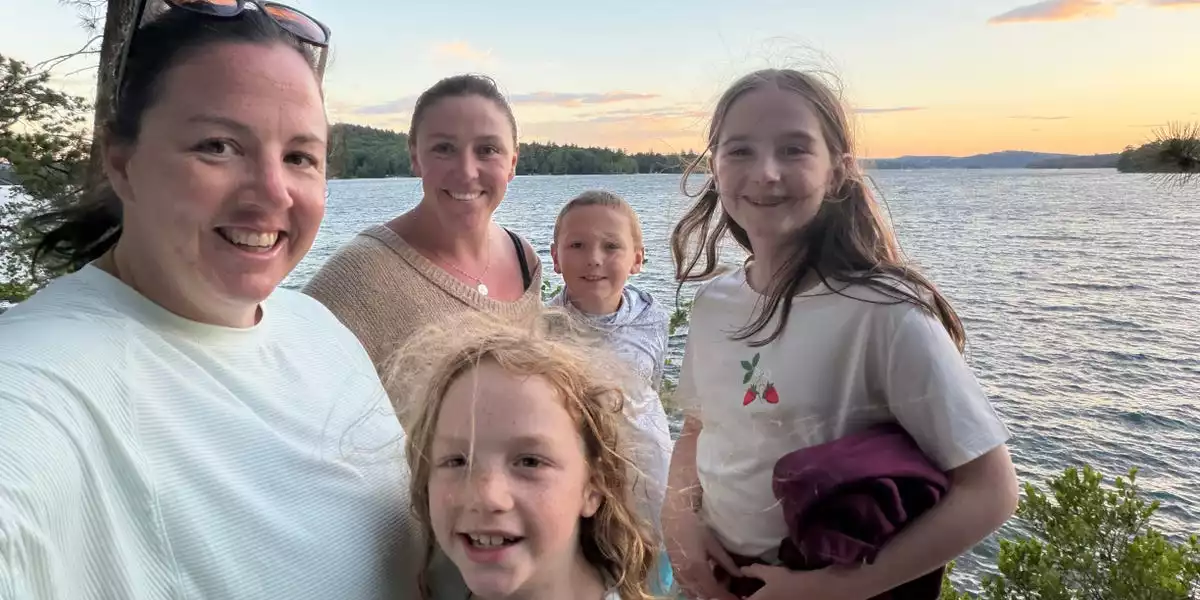
A six-generation annual pilgrimage to Lake Winnipesaukee may read like a personal tradition, but it also functions as a revealing case study in the modern experience economy—where consumers increasingly treat meaningful time, not objects, as the enduring store of value. The family’s commitment is not casual: they pay $2,000 for a fractional camp share with an estimated market value of $10,000, a gap that underscores how “price” and “worth” diverge when the return is emotional continuity rather than resale profit.
What stands out is the implicit financial logic. This is not simply nostalgia; it is repeatable, compounding utility. Each year’s visit does more than deliver a week of leisure—it reinforces identity, strengthens relationships, and renews a sense of grounding. In economic terms, the lake functions like an appreciating asset whose yield is measured in belonging, family cohesion, and psychological restoration.
For business leaders, this reframes a key question: in a market saturated with novelty, why do some consumers deliberately choose the familiar? The answer is that “legacy experiences” offer something novelty often cannot—predictable meaning. And predictability, in an era of volatility and burnout, is becoming a premium feature.
Two Travel Budgets, Two Consumer Mindsets: Novelty vs. Continuity
The most strategically instructive detail is the author’s decision to split travel spending into two distinct categories: “new experiences” and “legacy experiences.” After a year of prioritizing exploration and feeling “depleted,” the household effectively adopted a portfolio approach to travel—balancing experimentation with restoration.
This dual-track budgeting signals a broader shift in consumer finance: experiences are no longer discretionary blur; they are being organized into intentional line items with different goals and success metrics. That matters for multiple industries because it suggests segmentation beyond demographics—toward motivations and emotional outcomes.
From a market lens, two archetypes emerge:
- Novelty seekers: optimize for discovery, variety, and status signaling; value breadth of experience.
- Tradition seekers: optimize for continuity, identity reinforcement, and intergenerational bonding; value depth of experience.
Crucially, the same consumer can move between these modes depending on life stage, stress levels, and family structure. That fluidity creates opportunity for brands that can recognize and serve both needs without forcing a trade-off.
For hospitality, travel, and loyalty ecosystems, the implication is clear: the next wave of differentiation may come from designing offerings that explicitly support repeat rituals—not just repeat bookings. The “stickiness” here is not points-based; it is narrative-based. Once a location becomes part of a family story, switching costs rise dramatically, even if competitors offer better amenities or lower prices.
Technology’s Next Frontier: Memory Infrastructure and Fractional Rights
The Lake Winnipesaukee tradition also exposes a gap in today’s technology stack: families are generating vast amounts of media, but they lack cohesive tools to curate multigenerational narrative in a way that is searchable, durable, and place-linked. This is where the experience economy intersects with product design and platform strategy.
Several technology vectors surface naturally from the scenario:
- Digital memory-curation platforms: tools that unify photos, video, voice notes, scanned letters, and family timelines into a structured archive—ideally with permissions, inheritance controls, and collaborative storytelling.
- Location-based “story overlays”: augmented reality or geotagged narrative layers that allow families to attach memories to specific docks, cabins, trails, or viewpoints—turning physical places into interactive memory maps.
- Blockchain-enabled fractional access: the camp share hints at a future where tokenized usage rights could govern scheduling, maintenance fees, and transfers. Smart contracts could reduce friction in shared ownership models—though regulatory clarity, consumer protection, and dispute resolution would be essential for mainstream adoption.
The strategic point is not that every family wants blockchain. It is that fractional ownership, shared access, and succession planning are becoming more relevant as real estate prices rise and families seek structured ways to preserve traditions without full ownership burdens. Platforms that can make these arrangements transparent, fair, and liquid—without undermining the intimacy of the tradition—could unlock a new category of “heritage real estate” services.
Competitive Strategy for Brands: Designing for Intergenerational Stickiness
For executives, the most actionable insight is that “legacy experiences” behave like long-duration customer relationships. They are less sensitive to short-term promotions and more responsive to trust, continuity, and stewardship. That changes how companies should think about product, CRM, and partnerships.
High-leverage moves include:
- Experience segmentation in CRM: explicitly tagging customers by intent—exploration vs. tradition—then tailoring messaging, perks, and timing accordingly.
- Legacy membership models: hospitality operators can borrow from private clubs, offering multi-year “return rights,” family-week scheduling priority, and generational transfer benefits that formalize continuity.
- Fintech and wealth tools for “experience portfolio management”: budgeting features that earmark funds for legacy travel versus exploratory travel, with forecasting and goal tracking. The opportunity is not to quantify love, but to help households plan for what they already value.
- Employer-sponsored tradition retreats: corporate wellness programs often chase novelty (new offsites, new perks). Yet the restorative power described here suggests a different approach: supporting employees in returning to personally meaningful places as a burnout countermeasure.
Local communities also have a stake. Regions that host recurring, multigenerational visitors benefit from stable seasonal demand, but they also face infrastructure strain. Public-private collaboration around broadband, sustainable power, and preservation funding can ensure that “legacy tourism” strengthens communities rather than hollowing them out.
The deeper signal from Lake Winnipesaukee is that the experience economy is maturing: it is no longer only about chasing the next destination. It is increasingly about anchoring identity in repeatable rituals, and building systems—financial, technological, and commercial—that respect why some journeys matter precisely because they are taken again.

 By
By
 By
By

 By
By
 By
By

 By
By
 By
By