
Felicis’s hard-tech hire signals a venture pivot from “apps” to the physical economy
Felicis’s appointment of Graham Littlehale as a partner to lead its hard-tech practice is more than a senior hire; it is a clear strategic marker that elite Silicon Valley venture capital is re-weighting toward the “physical economy”—the industries where atoms, not just bits, determine competitive advantage. Littlehale’s background—spanning Point72 Ventures’ national security investing and operational experience at Nuro—maps closely to the sectors now pulling venture attention: aerospace, defense, energy, manufacturing, robotics, and undersea systems.
This shift reflects a pragmatic recalibration. After a decade in which software captured disproportionate venture mindshare, returns in crowded software categories have become harder to underwrite as valuations rose and differentiation narrowed. Hard tech, by contrast, offers a different profile: longer cycles and heavier capital needs, but also deeper moats, tighter coupling to national priorities, and the potential to reshape industrial cost curves.
The timing is notable. PitchBook data showing $16.3 billion invested across 492 deals in robotics and physical AI in Q1 2026 points to both record activity and a broadening base of experimentation. Yet volume does not equal uniform opportunity; it often signals a market where expertise and access determine who sees the best deals early and who pays up later. Felicis is effectively betting that domain-led investing—rather than generalist pattern matching—will be decisive in the next wave of venture outcomes.
—
Why geopolitics and supply chains are now underwriting venture theses
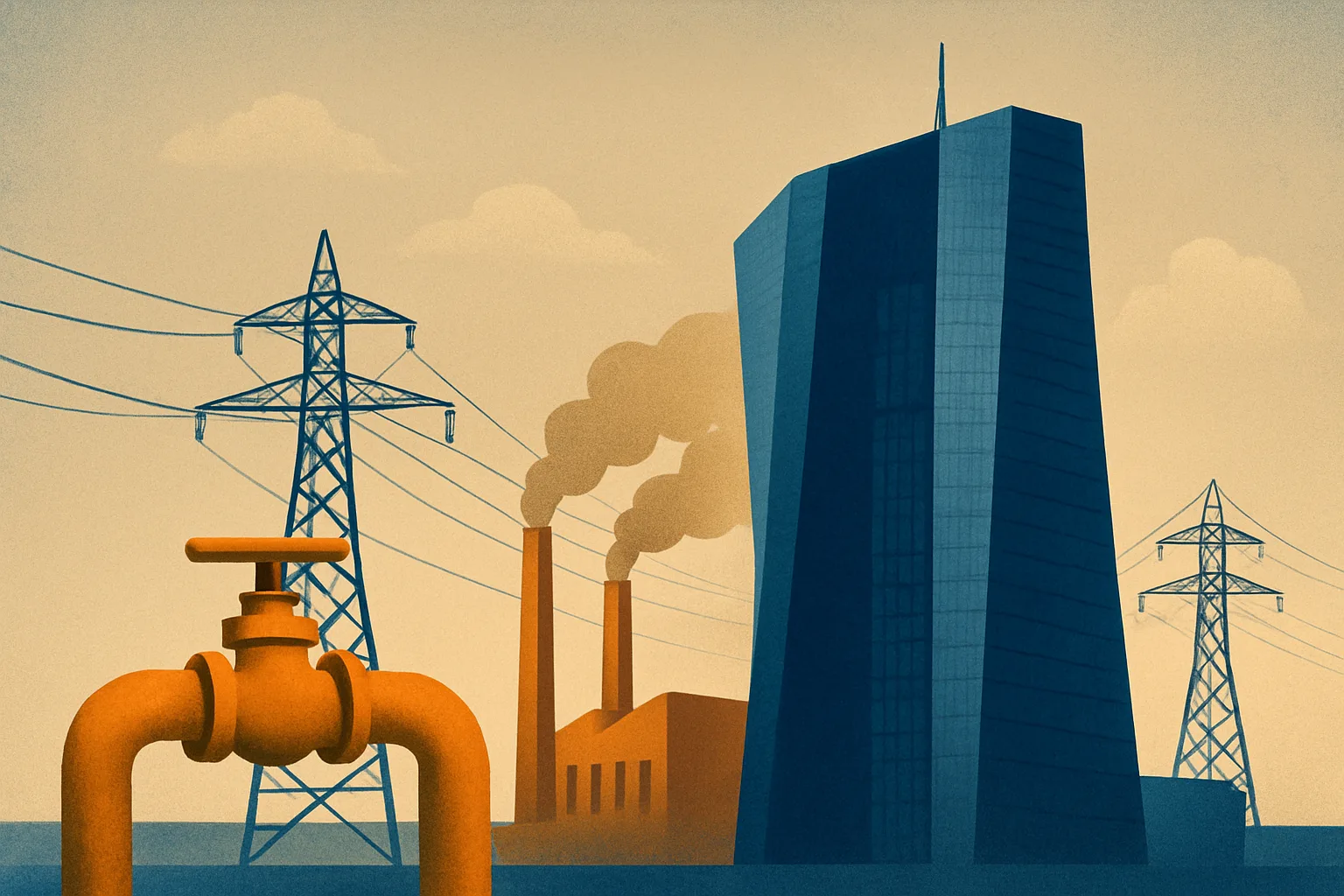
Hard tech’s resurgence is inseparable from macro forces that have moved from “background risk” to board-level imperatives. Supply-chain fragility, trade tensions, and the strategic vulnerability of offshore manufacturing have accelerated reshoring and “friend-shoring” across the U.S. and Europe. At the same time, national-security agendas are channeling public and private capital into domestic production capacity, aerospace resilience, robotics, and critical infrastructure, including undersea capabilities.
For investors, this creates a new kind of demand signal: not just consumer adoption curves, but state capacity-building and industrial policy tailwinds. For founders, it changes the go-to-market playbook. Many of the most promising hard-tech companies will scale through a hybrid of:
- Government-adjacent procurement (defense, space, infrastructure)
- Enterprise industrial adoption (manufacturing, logistics, construction, energy)
- Regulated deployment pathways (export controls, safety standards, dual-use compliance)
Littlehale’s prior bets—such as Stoke Space (reusable rockets) and Rune Technologies (military logistics software)—sit squarely at this intersection of commercial scale and strategic relevance. That blend is increasingly attractive to top-tier funds seeking exposure to durable demand, even when consumer sentiment or ad-driven models fluctuate.
—
From language models to “manufacturing foundation models”: AI’s next frontier is matter
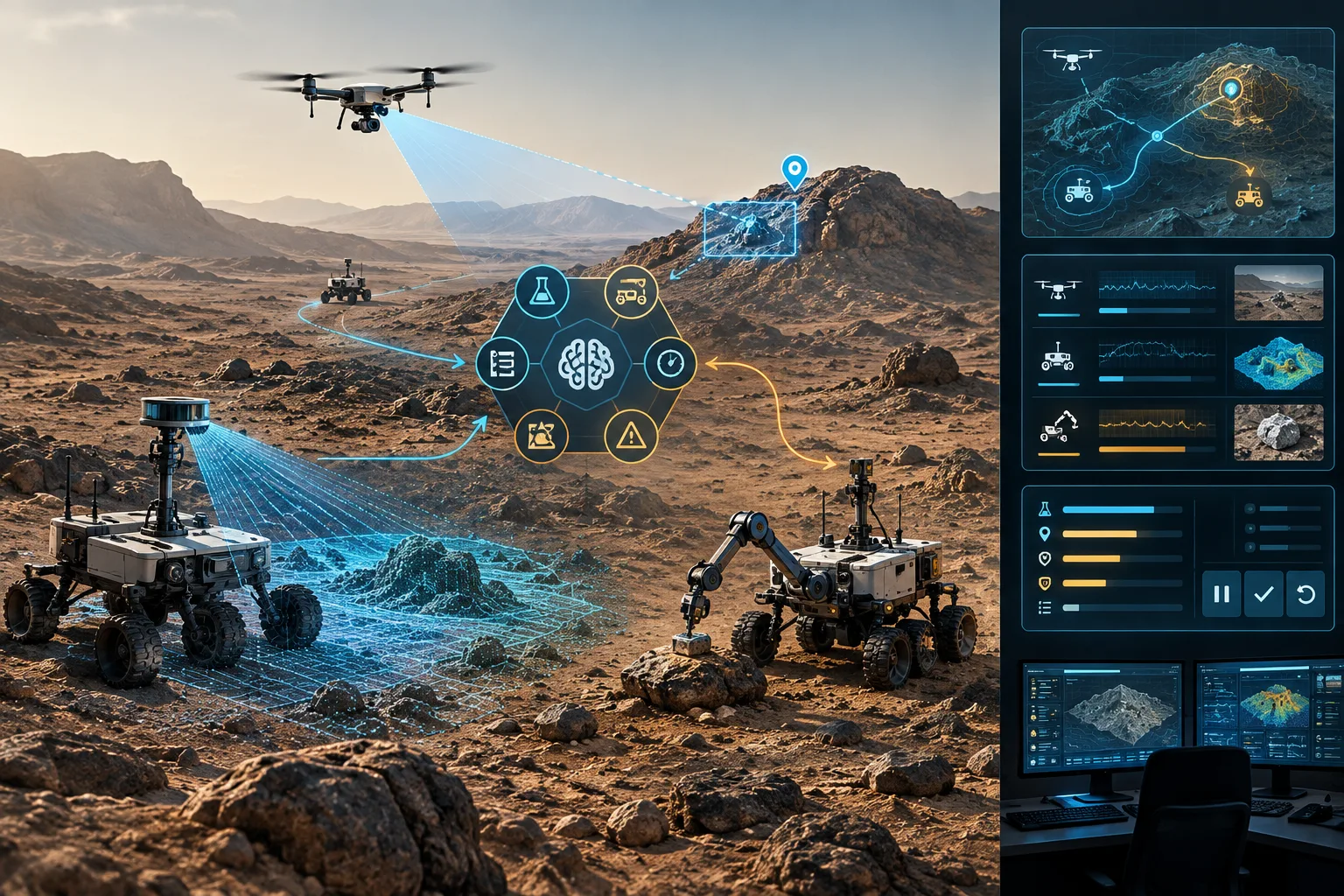
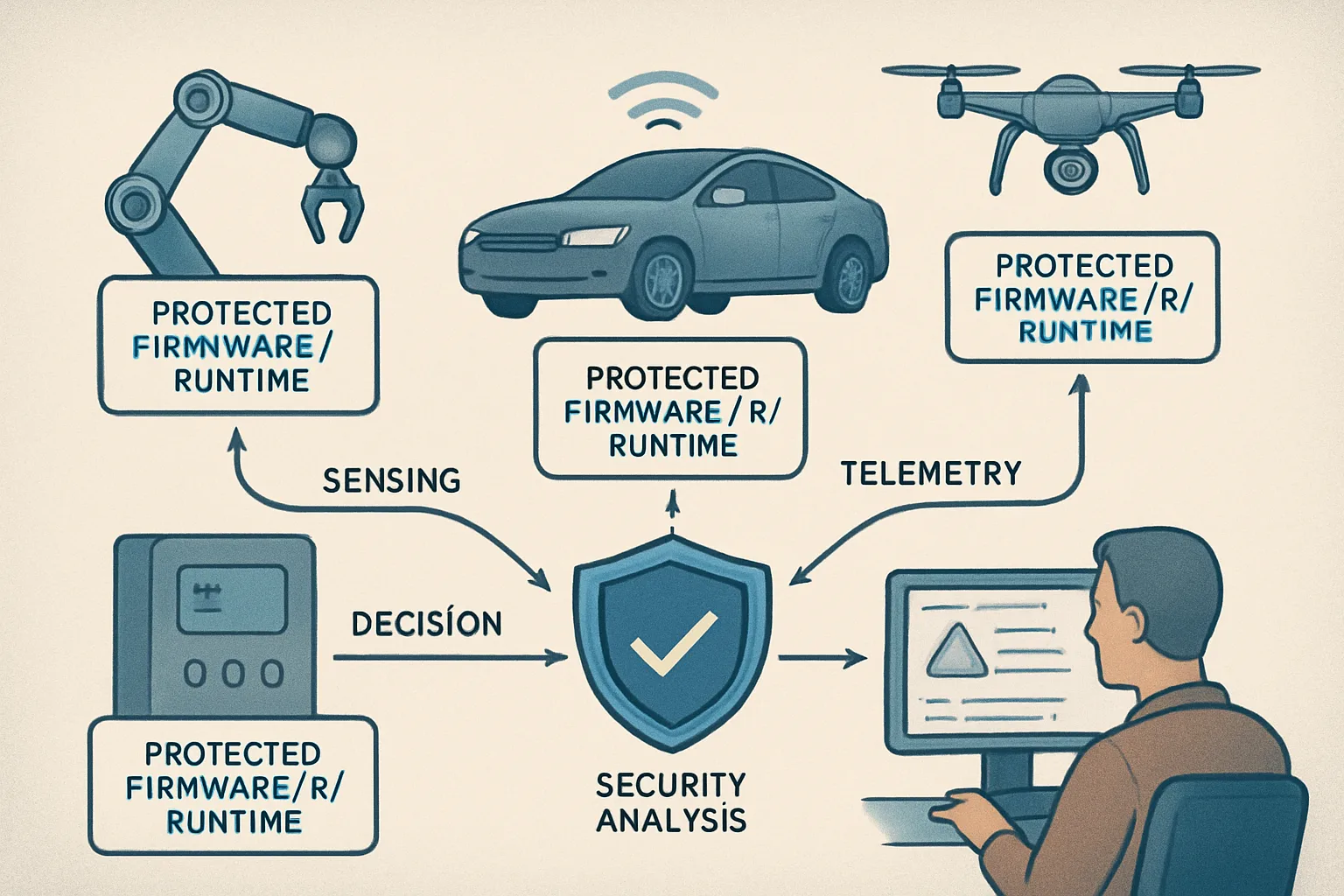
The most consequential technical thread running through this moment is the migration of AI from digital workflows into physical systems. The industry’s attention is shifting from general-purpose language interfaces to foundation-model approaches tailored to manufacturing and industrial environments—systems that can learn from multimodal factory data, sensor streams, CAD artifacts, process logs, and inspection imagery.
If successful, manufacturing foundation models could compress product development timelines and reduce iteration costs by enabling:
- Faster design-for-manufacturability decisions early in R&D
- Improved process control and yield optimization in complex assembly
- More adaptive quality inspection and anomaly detection
- Better orchestration of human-robot collaboration on the shop floor
This is where digital twins and simulation ecosystems become pivotal. As physics-based simulation integrates more tightly with machine learning, teams can test designs virtually, explore edge cases, and reduce reliance on expensive prototyping cycles. The result is not merely incremental efficiency; it is a structural change in how hardware companies learn—bringing them closer to the rapid iteration cadence historically associated with software.
Robotics, meanwhile, appears to be following a disciplined path rather than a science-fiction leap. Littlehale’s emphasis on industry-specific robots—for example in construction—aligns with a “narrow-first” strategy: robots master discrete, high-value tasks, generate operational data, and only then generalize. This mirrors how AI matured in software: specialized systems created feedback loops that later enabled broader capability.
—
What corporate leaders and investors should watch as hard tech scales
The hard-tech renaissance is not a single market; it is a portfolio of interlocking bets with different time horizons. Some categories may scale quickly (warehouse automation, inspection robotics), while others require patient capital and deep operational commitment (space systems, undersea infrastructure, next-generation geothermal). Littlehale’s stated interest in long-cycle climate tech—such as geothermal energy derived from oceanic heat (Endurance Energy)—highlights a key point: the next industrial wave will be shaped as much by energy abundance and resilience as by software productivity.
For corporate and technology leaders, the strategic posture is shifting from “buy software” to build or partner into platforms that fuse hardware, AI, and operations. Practical implications include:
- Partnership and co-investment with specialized VCs to access curated deal flow and technical diligence
- Designing modular hardware-software architectures that can integrate robotics modules and industrial AI models over time
- Early alignment with export controls, safety regimes, and standards bodies, especially in aerospace, robotics, and undersea systems where regulatory friction can become the real bottleneck
The competitive edge may accrue to “ecosystem formers”—organizations that combine financing, testbeds, talent pipelines, and regulatory navigation into a coherent scaling machine. In that environment, Felicis’s move reads as both an investment thesis and an operating model: place a domain operator at the center, then build a portfolio around the infrastructure layers—data, simulation, manufacturing intelligence, and deployment channels—that can turn breakthrough prototypes into repeatable industrial outcomes.
Hard tech is returning venture capital to first principles: enduring value is created when innovation meets production, and when intelligence—human and machine—can be translated into reliable systems that operate in the real world.

 By
By
 By
By
 By
By
 By
By
 By
By