
A Kansas hearing becomes a stress test for civic legitimacy in the data-center era
The confrontation at a public hearing in Emporia, Kansas—where physics teacher Lux Claridge was forcibly removed and briefly arrested after applauding an anti–data center speaker—has quickly become more than a local controversy. It is a vivid illustration of how municipal governance, public participation, and technology-led economic development are colliding as data-center expansion accelerates across the United States.
At the center of the dispute is the proposed 1,000-acre “Flint Hills Digital Campus” data center project. The City Commission’s decision to approve land annexation swiftly—reportedly a day after the project’s announcement—has fueled perceptions that the outcome was pre-decided. Against that backdrop, the meeting’s strict prohibition on audible audience reactions (including clapping) became a flashpoint. Claridge’s six claps, after explicit warnings, prompted a commissioner to call police; he was handcuffed, removed, and released without charge.
For residents, the optics are stark: a community member physically restrained for a minor act of expression while a major land-use decision appears to move at high speed. For business and technology leaders, the episode underscores a growing reality: the “social license to operate” is now a core dependency for digital infrastructure, not a public-relations afterthought.
—
The governance dilemma: “order” versus meaningful public participation
Public meetings are designed to balance open participation with procedural order. Yet the Emporia incident highlights how quickly that balance can tip into perceived suppression—especially when the stakes involve large-scale land annexation, long-term environmental impacts, and public subsidies.
Several governance dynamics are at play:
- Narrow definitions of “orderly discourse”: When rules prohibit even modest audience feedback—clapping, snapping, or verbal affirmation—officials may reduce the meeting to a one-way channel. That can be legally permissible while still politically combustible.
- Perceived pre-determination: Rapid approvals, limited deliberation windows, or unclear sequencing of votes can create a narrative that public comment is ceremonial rather than influential.
- Escalation risk: The decision to involve law enforcement for low-level disruptions can transform a procedural issue into a legitimacy crisis, shifting attention from project merits to governance conduct.
In practical terms, the incident may harden opposition not only to the Flint Hills Digital Campus, but also to future development initiatives. Once trust erodes, communities often demand higher burdens of proof—more studies, more hearings, more concessions—raising timelines and costs for both municipalities and developers.
—
Why the Midwest is attracting hyperscale data centers—and why that creates local strain
Emporia’s proposal fits a broader pattern: hyperscale and edge data-center operators are moving inland to diversify geographic risk, reduce latency, and secure large tracts of land at lower cost. The Midwest’s appeal is frequently framed in operational terms—cooler ambient temperatures can improve cooling efficiency, and land availability supports campus-style builds.
But the same factors that make these sites attractive to developers can intensify local concerns:
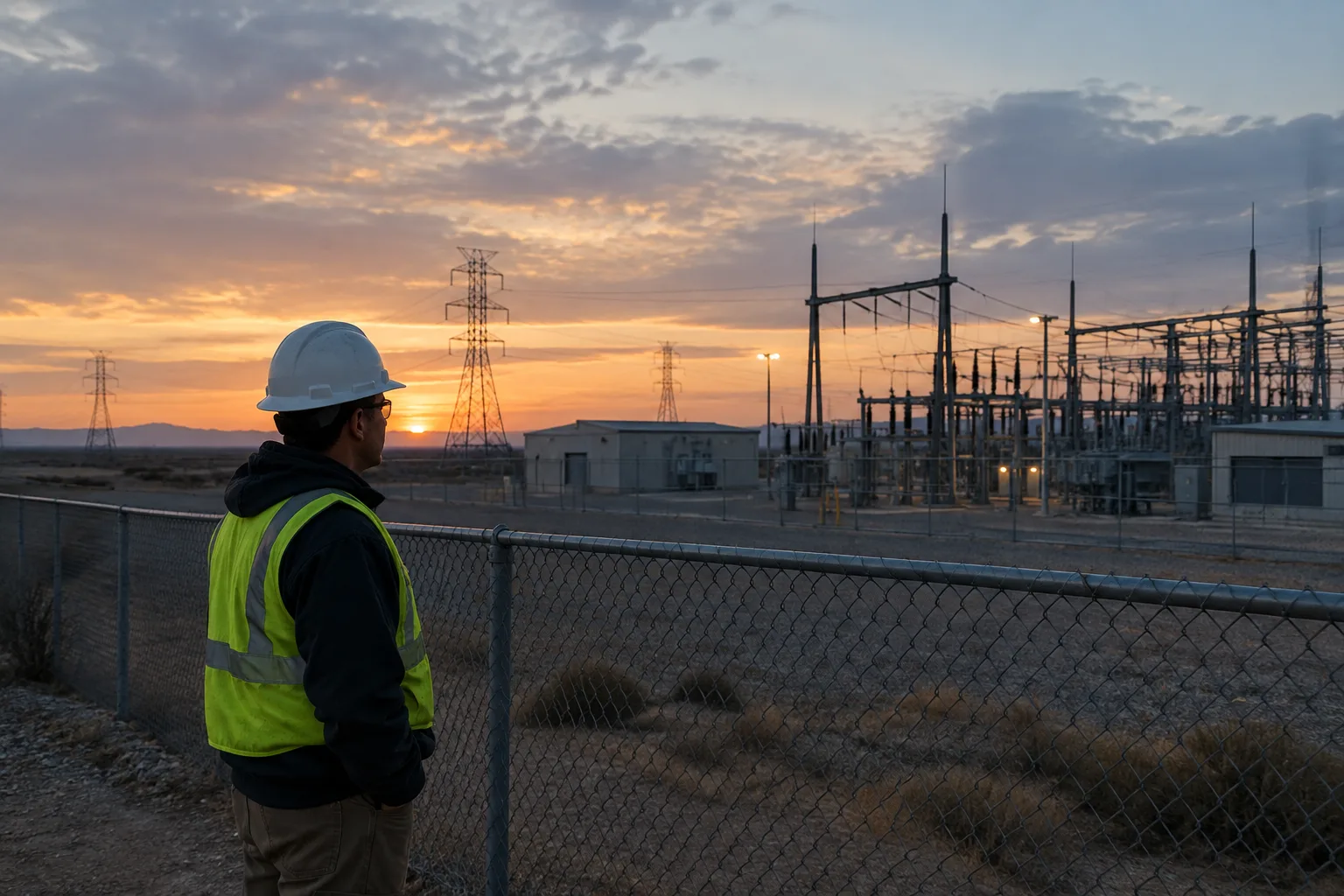
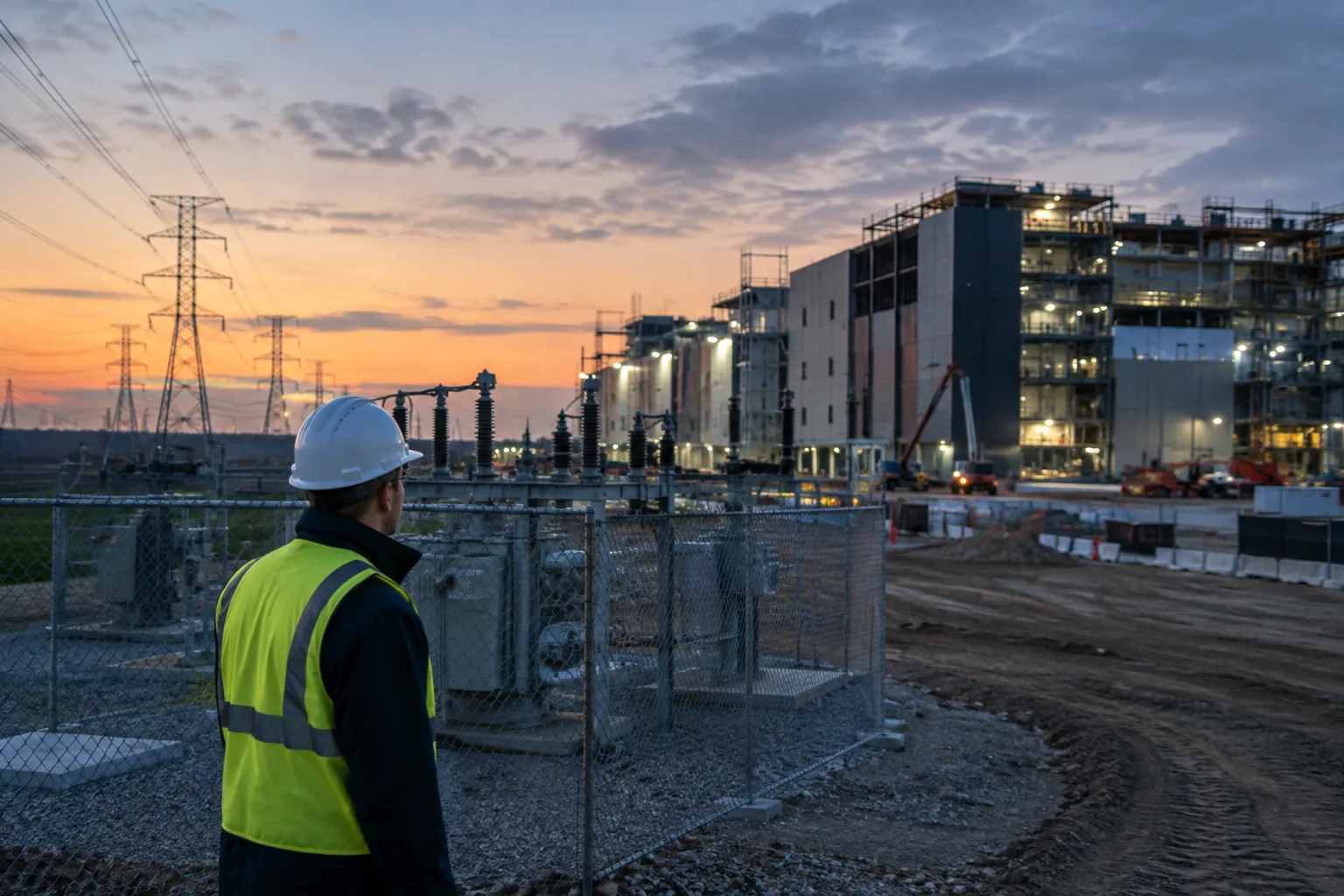
- Energy demand and grid capacity: Large data-center campuses can require hundreds of megawatts over time. That demand can trigger new transmission investments, substation upgrades, and complex negotiations with utilities and regulators.
- Water use and cooling strategy: Water-intensive cooling designs can become politically sensitive in regions facing drought variability or competing agricultural needs. Even when water use is modest relative to other industries, the *visibility* of the facility can amplify scrutiny.
- Noise, land-use change, and ecological impact: Backup generators, construction traffic, and the transformation of open land into industrial-scale infrastructure can clash with local identity—particularly in areas valued for natural landscapes like the Flint Hills region.
For technology companies, these are not peripheral issues. Increasingly, customers and investors treat energy sourcing, water stewardship, and community impact as part of operational risk—especially as AI workloads drive rapid growth in compute demand.
—
The economics: who captures value, who carries cost, and what “development” really means
Data centers are often marketed as engines of local prosperity, and they can deliver real benefits—particularly during construction and through incremental tax revenues. Yet the long-term economic profile is more nuanced than many communities initially expect.
Key economic realities include:
- High capital, modest headcount: Modern data centers are capital-intensive but typically employ relatively small operational teams compared with manufacturing or logistics hubs.
- Value capture can be externalized: The most lucrative gains—cloud services revenue, platform lock-in, AI model hosting—often accrue to corporate entities far from the host community.
- Public financing and incentives can outpace analysis: When annexations, abatements, or infrastructure commitments move quickly, municipalities risk underestimating lifecycle costs such as road maintenance, grid upgrades, or public-service expansion.
The difference between a project that feels extractive and one that feels additive often comes down to whether the community sees durable, locally legible benefits, such as:
- broadband expansion beyond the campus footprint
- workforce training pipelines with local colleges and schools
- community solar or renewable procurement tied to local generation
- transparent payments-in-lieu-of-taxes (PILOT) structures and reinvestment commitments
Without these mechanisms, opposition can crystallize around a simple critique: the community absorbs disruption while outsiders capture upside.
—
What industry leaders and city officials should take from Emporia’s flashpoint
The Emporia hearing is a case study in how process failures can become project risks. For developers, utilities, and municipal partners, the lesson is not merely to “communicate better,” but to design governance and engagement as part of the infrastructure plan.
Practical steps that align business execution with civic durability include:
- Front-load stakeholder engagement: Convene multi-stakeholder working groups early—educators, farmers, small businesses, environmental advocates—to shape mitigation and benefit-sharing before votes are scheduled.
- Publish credible, comparable impact models: Release grid, water, and fiscal analyses in plain language, including assumptions and downside scenarios (interest rates, load growth, infrastructure overruns).
- Treat ESG as operational resilience: Renewable power purchase agreements (PPAs), microgrid planning, and waste-heat reuse are increasingly tied to permitting confidence and reputational stability.
- Modernize public-meeting protocols: Cities can codify clear, consistent rules for public expression and enforcement thresholds—reducing discretionary escalation that can appear retaliatory or selective.
- Build for political stability, not just site efficiency: In an era of heightened scrutiny, local political cohesion and procedural legitimacy can be as important as land price or ambient temperature.
Emporia’s dispute began with applause, but it speaks to a deeper national negotiation: how communities consent to hosting the physical backbone of the digital economy. Data centers may be built from steel, fiber, and transformers, yet their long-term viability increasingly rests on something less tangible and far harder to procure at speed—public trust.

 By
By
 By
By

 By
By

 By
By
 By
By