
AI analytics moves combat medic training from intuition to instrumented mastery
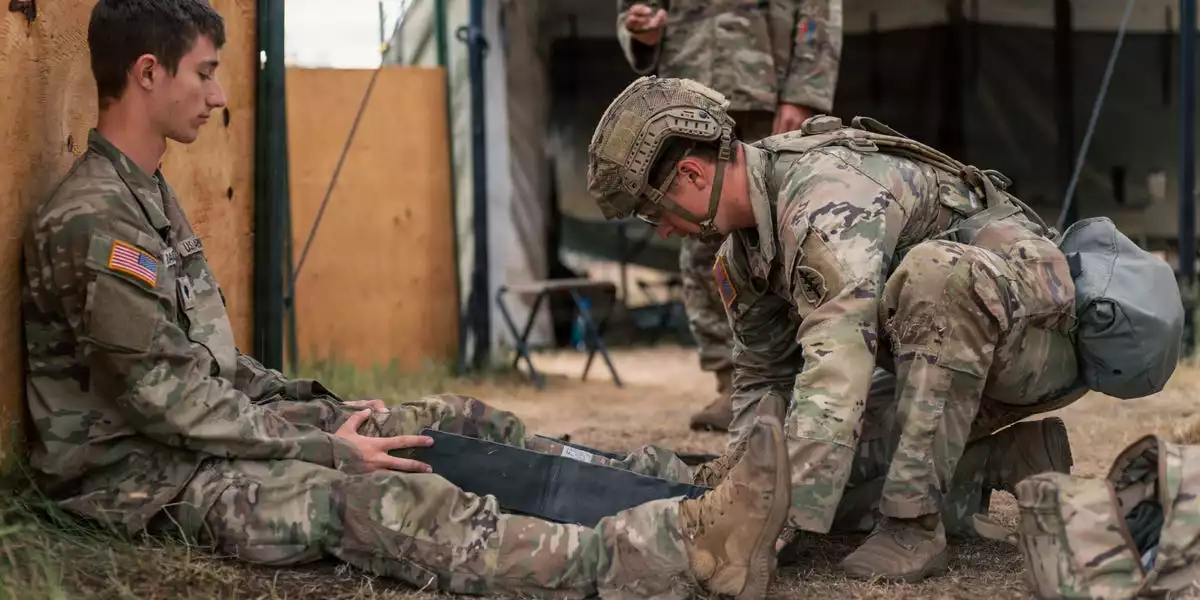
The U.S. Army’s Joint Special Operations Medical Training Center is quietly modernizing one of the military’s most consequential pipelines: the training of special operations medics. Rather than extending already demanding programs—the nine-month Special Operations Medic Course and the four-month Special Forces Medical Sergeant Course—the center is layering in artificial intelligence–driven analytics to make every hour of instruction more targeted, measurable, and operationally relevant.
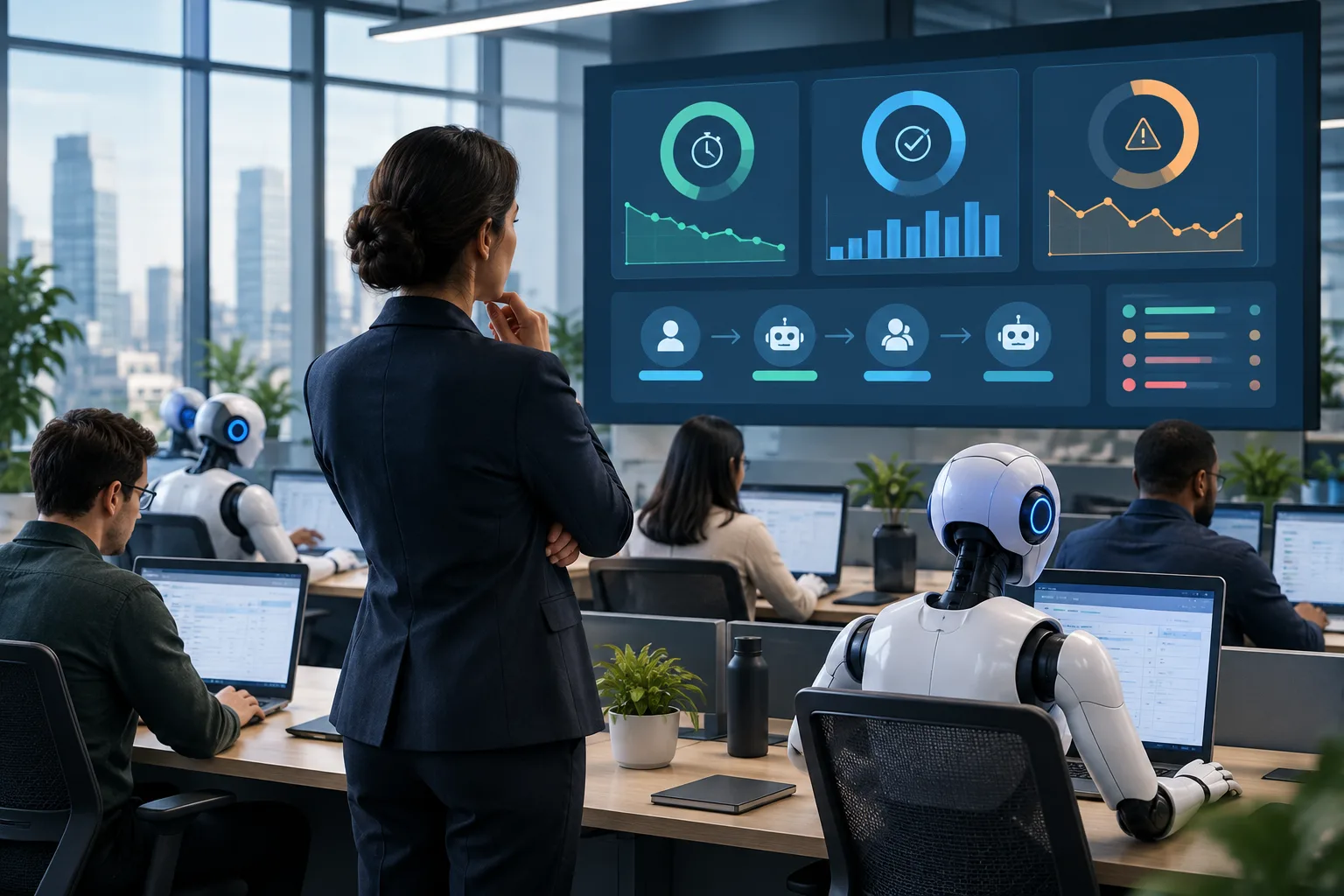
At the core is a shift in how competency is detected and reinforced. Training has long relied on instructor expertise, observation, and after-action reviews. The new approach captures granular performance signals—time to achieve competency, repetition counts, error rates, and skill-specific friction points—and converts them into real-time instructional insight. The result is not a shorter course, but a more precisely tuned one: the same duration, recalibrated content, and a clearer view of who needs what kind of remediation and when.
This is a notable evolution in defense training doctrine because it treats learning as a system that can be instrumented and optimized. In practice, each medic candidate begins to resemble a living “profile” of strengths and gaps—an educational analogue to the digital twin concept used in manufacturing and aviation. For instructors, the promise is less guesswork and more evidence-based pedagogy; for commanders, it is a tighter linkage between training outcomes and battlefield performance.
Key characteristics of the AI-enabled training model include:
- Continuous measurement of skill acquisition rather than episodic evaluation
- Early detection of recurring errors before they harden into habit
- Adaptive emphasis on high-risk procedures where mistakes carry outsized consequences
- Better utilization of instructor time by focusing attention where it changes outcomes most
Battlefield lessons from Ukraine and drone warfare reshape what “medical readiness” means
The analytics layer is arriving alongside a broader rewrite of what special operations medicine must prepare for. The conflict in Ukraine and the global proliferation of unmanned aerial systems have reinforced a harsh operational reality: evacuation is not guaranteed. In contested environments—where drones surveil routes, artillery threatens movement corridors, and air superiority is uncertain—medics may be forced into prolonged casualty care with limited resources and delayed extraction.
That strategic context is driving curriculum adjustments that go beyond familiar trauma fundamentals. Traditional emphases such as tourniquet application are evolving into more complex competencies, including in-field tourniquet removal, hemorrhage control under austere conditions, and expanded clinical decision-making when the medic is effectively the highest level of care available for hours—or longer.
Just as importantly, the operational problem set is widening. Special operations medics increasingly must be prepared to treat not only U.S. personnel but also local civilians in partner environments, stabilization missions, and high-casualty incidents. That expands the clinical and ethical complexity of care, and it raises the bar for triage, resource allocation, and treatment under pressure.
AI-enabled analytics fits this new reality because it can highlight precisely where students struggle with the “gray zone” skills that are hard to teach and harder to evaluate—decision-making under uncertainty, procedural precision when fatigued, and the ability to maintain standards when conditions deteriorate.
A defense-tech template: from learning data to scalable readiness and market momentum
From a business and technology perspective, this initiative underscores a broader Department of Defense trajectory: AI is becoming infrastructure, not an add-on. Training pipelines are particularly attractive targets because they sit at the intersection of readiness, cost control, and risk reduction. If analytics can reduce preventable errors in theater, the downstream savings are not abstract—they can appear in fewer complications, fewer emergency evacuations, and reduced long-term care burdens.
The economic logic is straightforward: optimizing training throughput and instructor allocation can reduce per-student costs while improving outcomes. More rigorous, data-centric validation of competency also lowers institutional risk—especially in a profession where a single mistake can cascade into mission failure or loss of life.
This creates a clear signal for the defense-tech market: demand is rising for AI and analytics platforms that integrate with training environments, simulation systems, and learning management tools. It also hints at likely industry dynamics:
- Opportunities for specialized AI vendors that can meet DoD security and integration requirements
- Bundling pressure as prime contractors seek end-to-end offerings combining analytics, simulation hardware, and medical training content
- Faster procurement interest in tools that demonstrate measurable readiness gains without expanding course length
Notably, the architecture implied by this approach is extensible. Once performance data is being captured and interpreted, it becomes easier to layer in future modules—telemedicine workflows, sensor-driven feedback, and AR/VR simulation—without rebuilding the training enterprise from scratch.
Civilian spillover and the emerging convergence of military and emergency medicine training
The most underappreciated implication may be what happens outside the wire. An AI-driven training pipeline that can identify skill gaps quickly and personalize remediation has obvious parallels in civilian sectors facing high-stakes labor constraints: emergency medical services, disaster response, remote-area healthcare, and humanitarian operations.
In those environments, the challenge is similar—limited time, uneven baseline skills, and the need to produce reliable performance under stress. If the military can demonstrate that analytics-driven instruction improves competency without extending training timelines, it sets a precedent for compressed upskilling models that hospitals, NGOs, and public safety agencies could adapt or license.
At a strategic level, the move also functions as geopolitical signaling. By codifying lessons from Ukraine and drone-enabled warfare into elite medical training, the U.S. Army is communicating that it expects future conflicts to feature contested logistics, delayed evacuation, and sustained exposure to precision threats. Embedding AI into the training loop suggests a commitment to continuous adaptation—a posture that allies may emulate and adversaries will note.
What emerges is a modern readiness equation: not simply better medics, but faster learning cycles, tighter feedback loops from real-world conflict, and a training system designed to evolve at the pace of the battlefield rather than the pace of tradition.

 By
By
 By
By

 By
By
 By
By
 By
By

 By
By