
A landmark FTC settlement reframes the economics of “friction” in Amazon Prime
Amazon’s agreement to a $2.5 billion settlement with the U.S. Federal Trade Commission (FTC) marks one of the most consequential consumer-protection actions in the modern subscription economy. The structure of the deal is as telling as the headline number: $1.5 billion earmarked for consumer redress and $1 billion as a civil penalty, a split that signals regulators’ dual intent—compensate affected users while also deterring similar design-led conduct across digital markets.
At the center of the FTC’s 2023 lawsuit were allegations that Amazon’s Prime enrollment and cancellation flows steered consumers into paid membership without sufficiently explicit consent and then made exit unnecessarily difficult. This is not merely a dispute over billing; it is a direct challenge to how growth teams have historically treated interface design as a revenue lever. The case underscores a regulatory view that UX choices can be “conduct,” not just “design”—and therefore subject to enforcement when they cross into deception or unfairness.
The settlement’s consumer mechanics are also unusually operationalized for scale. Some eligible subscribers have already received automatic refunds, while others must file claims by July 27, 2026, for payments of up to $51, with distribution expected by September 2026. Eligibility spans U.S. users who signed up for Prime—or attempted to cancel—between June 23, 2019, and June 23, 2025, with the additional condition of limited Prime benefit usage. That usage threshold is a subtle but important indicator of how regulators are thinking about harm: not simply “you paid,” but “you paid while receiving little value, potentially due to enrollment or cancellation friction.”
When UX becomes evidence: consent, audit trails, and the end of “dark pattern ambiguity”
This settlement lands at a moment when “dark patterns”—once discussed as a gray-area growth tactic—are increasingly treated as a compliance and governance issue. The allegations described patterns familiar to many digital subscription funnels: opt-out defaults, ambiguous consent cues, and multi-step cancellation mazes. What changes now is the enforcement posture: design decisions can be interpreted as systematically shaping consumer choice in ways regulators deem unfair.
For technology and product leaders, the practical implications are immediate:
- Consent must be provable, not implied. Enterprises will need more rigorous instrumentation to demonstrate that a user knowingly agreed to a paid subscription. That means clearer consent language, unbundled choices, and interaction logs that can withstand scrutiny.
- Cancellation is now a regulated experience. If sign-up is one click, cancellation pathways that require repeated confirmations, confusing navigation, or repeated upsell prompts can be framed as coercive friction.
- Auditability becomes a product requirement. Subscription businesses should expect to maintain granular, immutable records of enrollment prompts, user selections, timestamps, and any post-enrollment communications—effectively treating consent as a first-class data asset.
The broader message is that compliance can no longer be bolted on after conversion optimization. The “shift-left” approach—embedding legal, privacy, and consumer-protection review into product sprints—moves from best practice to risk control. In a world where interface flows can become exhibits in a federal complaint, the cost of retrofitting is no longer limited to engineering time; it can include reputational damage, mandated remediation, and precedent-setting penalties.
The strategic calculus: subscription fatigue, brand trust, and a $1B penalty as a market signal
Measured against Amazon’s annual revenue base, $2.5 billion may be financially absorbable. Strategically, however, the settlement is material because it reframes the trade-off between short-term subscription growth and long-term trust. Subscription businesses thrive on predictable recurring revenue, but that predictability depends on customers believing they can leave as easily as they joined.
The settlement also highlights a growing consumer dynamic: subscription fatigue. The eligibility condition tied to limited Prime benefit usage suggests regulators are attentive to scenarios where consumers pay for bundles they barely use—especially if they were enrolled unintentionally or deterred from canceling. That attention could accelerate experimentation with models that better align price with realized value, including:
- Modular or a la carte subscriptions (pay only for the benefits used)
- Metered or usage-based pricing (aligning cost with consumption)
- Time-bound trials with explicit reminders (reducing “silent conversion” risk)
Perhaps the most consequential market signal is the $1 billion civil penalty. Civil penalties at this scale function as more than punishment; they become a benchmark. Executives in adjacent sectors—streaming, fintech, SaaS, gaming, and consumer apps—should read the penalty as a warning that opaque subscription mechanics can carry not just refund obligations, but punitive consequences that boards must treat as enterprise risk.
What the Amazon Prime case teaches the broader tech economy about remediation at scale
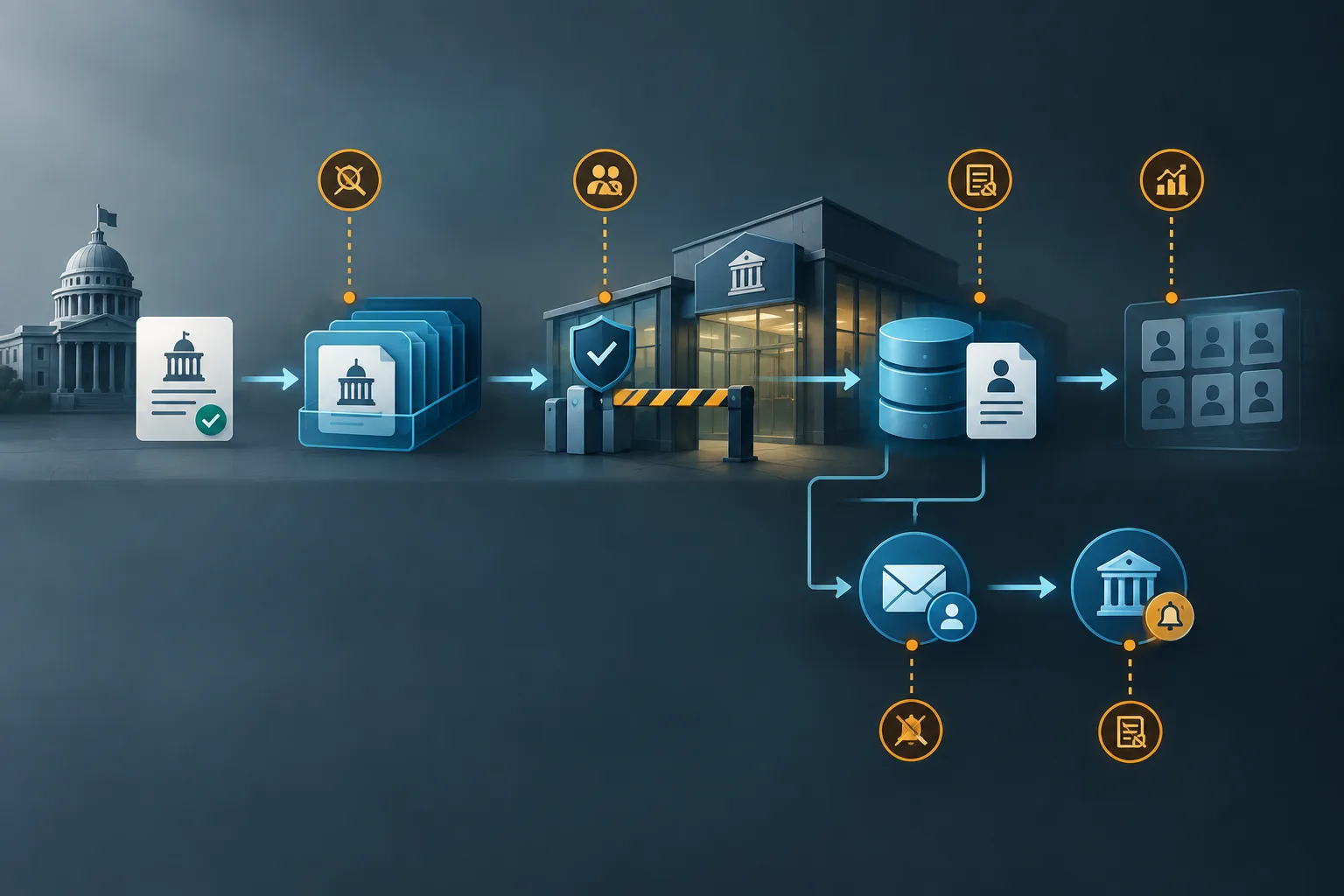
The settlement’s remediation design is itself a case study in modern operational compliance. Processing millions of potential claims requires automated intake, eligibility validation, fraud controls, and payment orchestration—a reminder that consumer-protection outcomes increasingly depend on enterprise-grade workflow systems, not ad hoc customer support.
Equally important is the reputational dimension. Investigative reporting and public scrutiny helped propel the issue into a regulatory arena, reinforcing a new reality: product design controversies can escalate quickly from social discourse to formal enforcement. In that environment, the most resilient companies will treat transparency as a competitive advantage rather than a constraint.
For leaders navigating the subscription economy, the Amazon-FTC settlement clarifies the new baseline: growth tactics that rely on confusion, default enrollment, or cancellation friction are no longer merely risky—they are increasingly legible to regulators as enforceable misconduct. The next era of subscription success will be built less on how effectively a funnel converts, and more on how credibly a business can prove that every recurring charge reflects informed, freely reversible consumer choice.

 By
By
 By
By

 By
By
 By
By


 By
By