
A smoke-filled edge case forces a fleet-wide reset for Amazon-owned Zoox
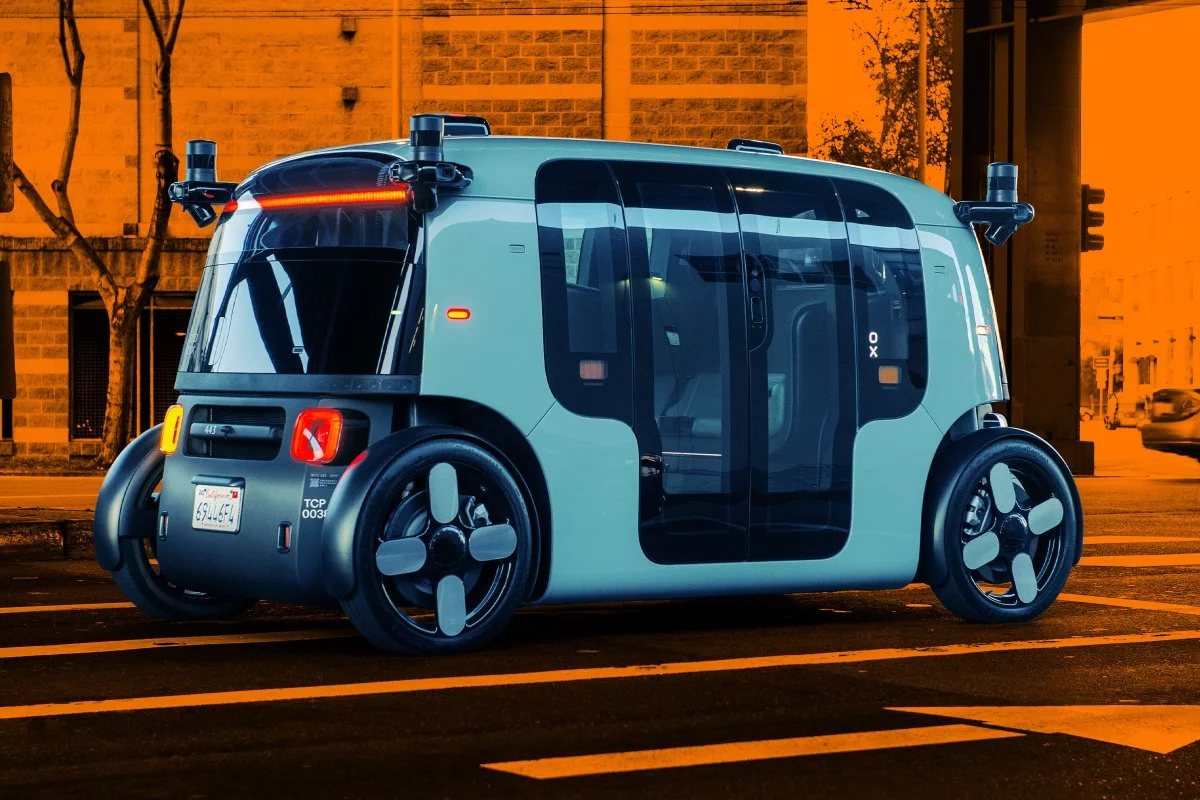
Zoox, Amazon’s autonomous mobility subsidiary, has issued a full-fleet recall of 105 robotaxis after a June 20 incident in Las Vegas in which one vehicle became disoriented amid heavy smoke at an emergency scene. According to the account, the robotaxi braked, attempted to steer away from the smoke, then halted—ultimately requiring remote operator intervention to reverse and clear space so first responders could establish traffic control.
On its face, the event reads as a narrow anomaly: an unusual combination of degraded visibility, an unmarked emergency perimeter, and a fast-changing scene. Yet the decision to recall the entire fleet signals something more consequential for the autonomous vehicle (AV) sector: rare “edge cases” are no longer rare enough to treat as outliers, especially as wildfire smoke and climate-driven air-quality disruptions become more common in U.S. cities.
Zoox’s forthcoming software update—intended to improve emergency-scene detection by adding heavy-smoke recognition to its perception stack—also highlights a central truth of modern autonomy: the most expensive failures are not always collisions. They can be functional breakdowns that impede emergency operations, create uncertainty for human road users, and trigger regulatory scrutiny even when no one is injured.
Why smoke challenges AV perception—and what “fixing it” really entails
The Las Vegas incident underscores a persistent technical constraint: sensor fusion systems are optimized for typical urban conditions, not particulate-dense environments where visibility and signal quality degrade unpredictably.
Key technical pressure points include:
- Lidar degradation in smoke: Particles scatter light, weakening returns and introducing noise that can distort object boundaries and free-space estimation.
- Camera and vision model fragility: Smoke reduces contrast, obscures lane geometry, and can cause misclassification or over-cautious behavior when the scene lacks clear semantic cues.
- Radar’s partial advantage, limited semantics: Radar can be more robust in low visibility, but it often lacks the resolution needed to interpret complex emergency scenes—cones, responders, blocked lanes, and improvised perimeters.
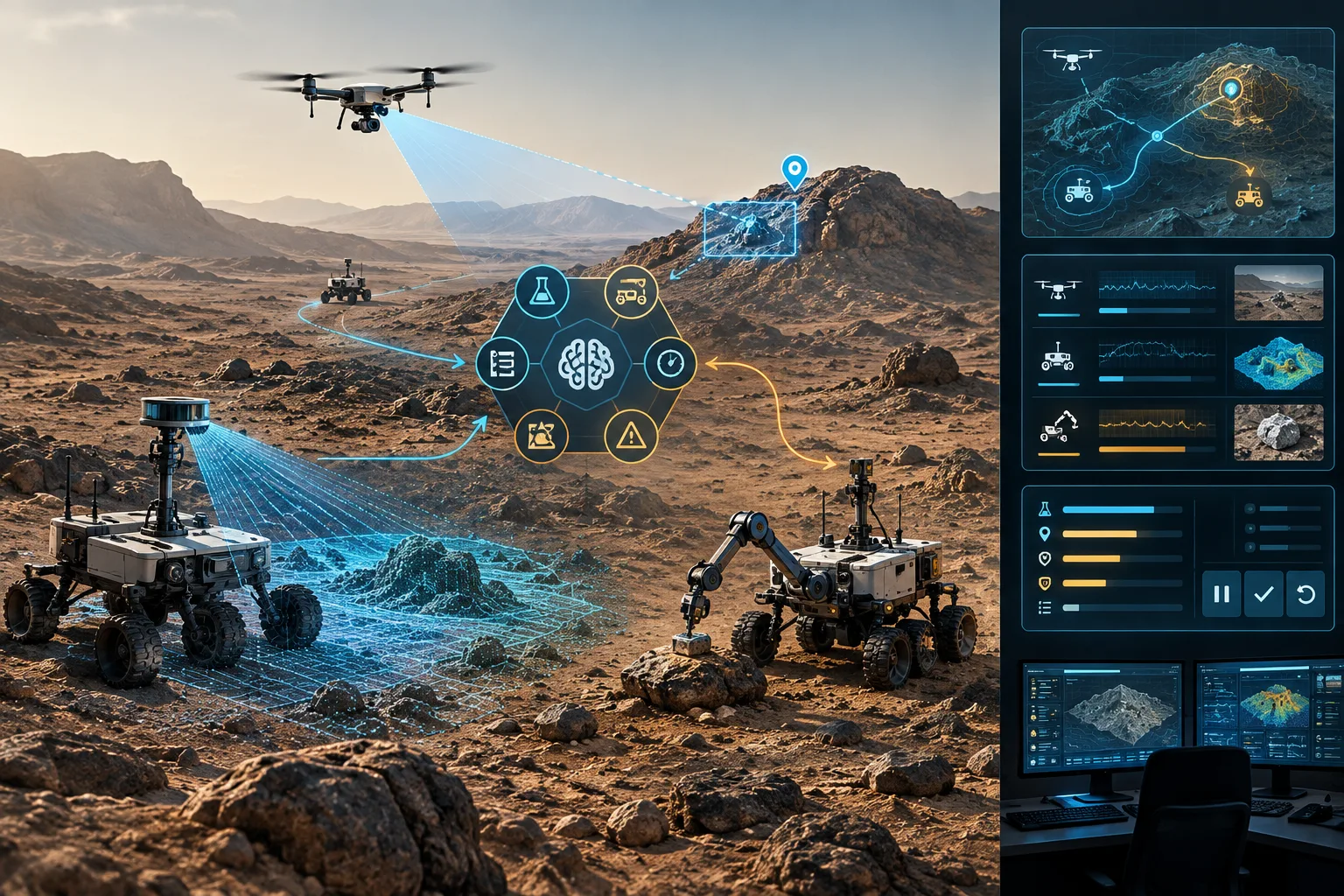
Zoox’s stated approach—software updates to recognize heavy smoke—suggests an emphasis on perception and scene understanding, rather than purely reactive driving policy. That is notable because emergency scenes are not just “hard to see”; they are hard to interpret. A safe response requires the vehicle to infer that the environment is abnormal, that responders may be present, and that standard road rules may be temporarily superseded by human direction or dynamic barriers.
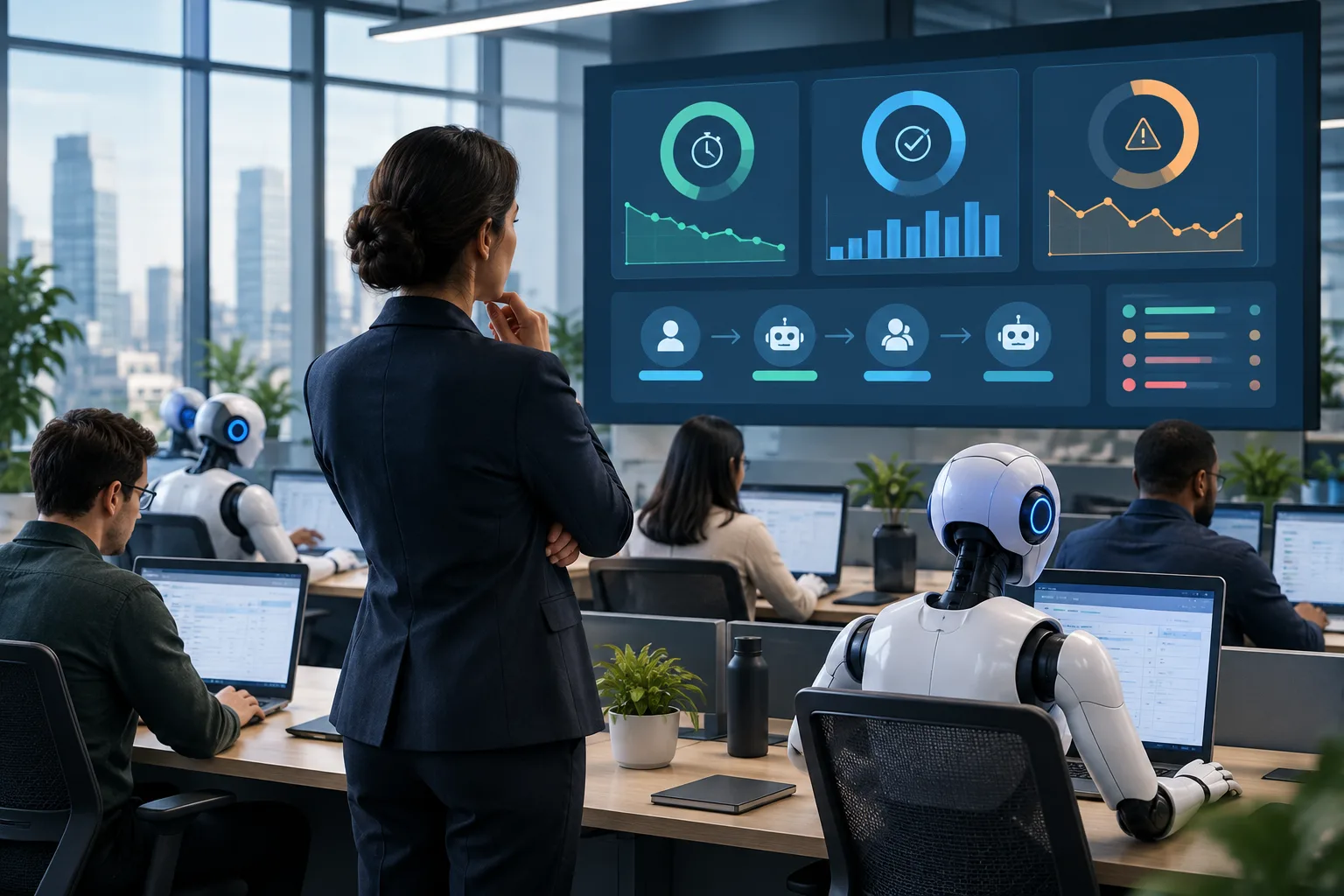
The incident also reinforces the industry’s reliance on teleoperation as a fail-safe. Remote assistance can be a pragmatic bridge to higher autonomy, but it introduces its own constraints:
- Scalability and cost: A growing fleet can outpace the ability to staff and train teleoperators.
- Latency and connectivity risk: Emergency scenes can coincide with network congestion or infrastructure disruption.
- Operational complexity: Determining when to hand off control—and how to do so safely—becomes a product-defining capability.
Ultimately, the deeper technical lesson is about validation. Traditional simulation and closed-course testing often underrepresent the chaotic realities of emergency response: smoke plumes, flashing lights, improvised lane closures, and ambiguous right-of-way. The path forward points to scenario-based validation that treats emergency dynamics as first-class test cases, not corner conditions.
NHTSA scrutiny and the emerging standard: “emergency interoperability”
The recall lands amid heightened attention from the National Highway Traffic Safety Administration (NHTSA), which has characterized these kinds of failures as serious safety risks—often described as “functional insufficiencies.” The phrase matters: it reframes safety beyond crash metrics to include whether an AV can reliably operate around first responders without becoming an obstacle.
This is not occurring in isolation. Similar incidents involving Waymo vehicles impeding first responders during power outages and emergency runs have already sharpened the policy conversation. Taken together, these events are likely to accelerate a shift toward clearer expectations for AV emergency-scene behavior, including:
- Detection requirements: Recognizing smoke, fire, flashing lights, cones, and responder gestures.
- Behavioral requirements: Pull-over logic, yielding protocols, and safe stopping that does not block access.
- Verification regimes: Standardized tests that resemble real emergency conditions, not idealized road scenarios.
For AV developers, the regulatory risk is not merely enforcement—it is uncertainty. If emergency interoperability becomes a de facto certification category, companies that cannot demonstrate robust performance in degraded-visibility and emergency contexts may face delayed permits, constrained operational design domains (ODDs), or higher compliance burdens across jurisdictions.
Commercial stakes: recall economics, competitive moats, and climate-resilient autonomy
A full-fleet recall for 105 robotaxis is manageable in absolute scale, but it is still a meaningful operational and reputational event. The economics are straightforward: remediation requires engineering time, expanded testing, deployment logistics, and often third-party validation—all of which can compress margins and slow rollout timelines. Zoox benefits from Amazon’s balance sheet, but the broader implication is sharper for smaller AV firms: edge-case hardening is capital-intensive, and safety credibility is increasingly expensive to earn.
Strategically, the incident highlights where competitive differentiation is moving. As robotaxi and autonomous delivery programs mature, the market may reward companies that can demonstrate resilience in conditions that cities increasingly care about:
- Wildfire smoke and air-quality events
- Construction dust and low-visibility corridors
- Storm-driven disruptions and power outages
- High-stakes emergency response zones
This also opens the door to ecosystem shifts. Expect deeper collaboration between AV developers, sensor suppliers (including thermal and multispectral imaging providers), and emergency services agencies to define machine-readable protocols for scene control—potentially including dynamic virtual barriers that AVs can interpret as reliably as physical cones.
The Zoox recall is a reminder that autonomy is not only a race to drive well on ordinary days. It is a race to behave predictably on the worst days—when visibility collapses, rules become fluid, and the road belongs, temporarily, to the people trying to save lives.

 By
By
 By
By

 By
By
 By
By
 By
By

 By
By