
When autonomy meets anonymity: the new “shared cabin” problem in robotaxis
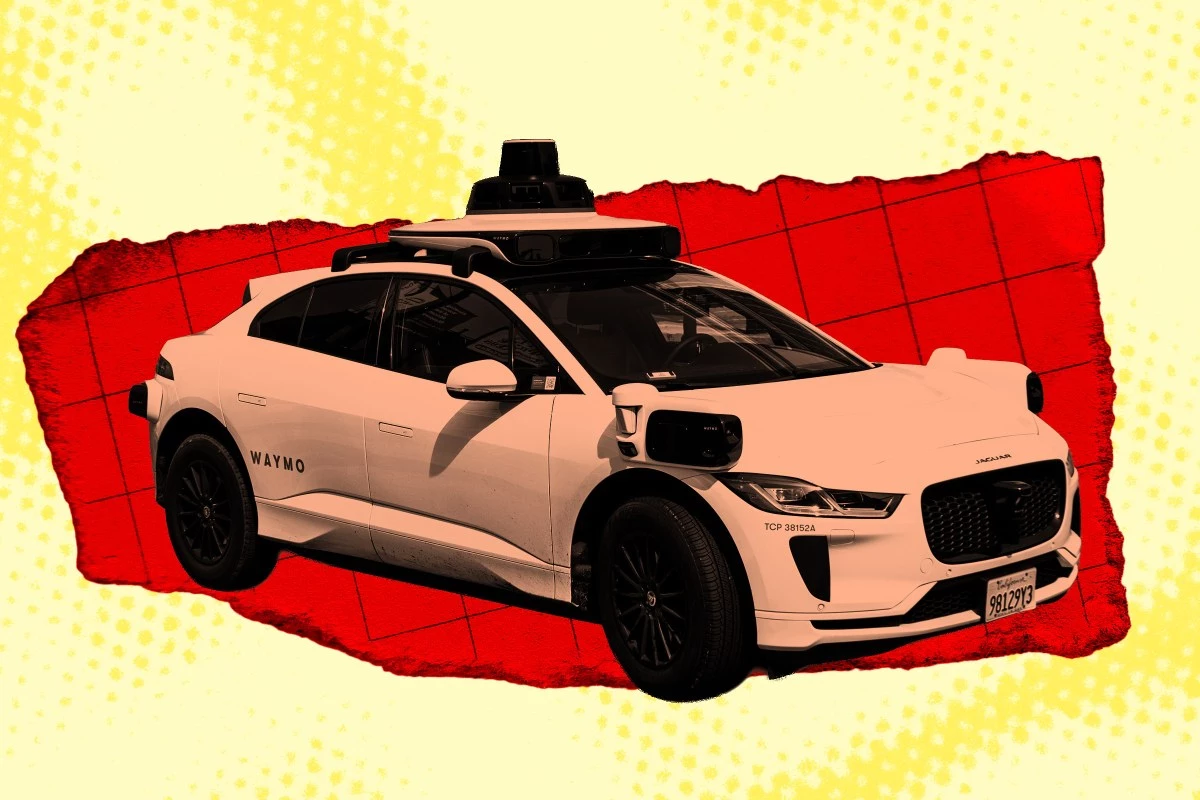
The rapid expansion of robotaxi services—from Waymo’s highly structured, mapped operations to the ambitious urban scaling efforts associated with Tesla and Zoox—is surfacing a less-discussed constraint on autonomous mobility: passenger behavior. Reports from multiple U.S. cities describe riders treating driverless vehicles as disposable spaces rather than shared transportation assets, leaving behind food waste, spilled drinks, bodily fluids, and general refuse. In parallel, riders frequently exit quickly and only later realize they’ve left personal items behind, creating a second operational burden: lost-property retrieval at scale.
The emergence of a new first-responder incident category in Austin—“sleeping passengers”—is a telling signal that this is not an edge case. It reflects a broader shift in the social dynamics of ride-hailing: removing the human driver removes a powerful, informal enforcement mechanism. In a conventional taxi or rideshare, the driver’s presence acts as both a deterrent and a real-time moderator of conduct. In a robotaxi, the cabin becomes a semi-private environment—public infrastructure experienced as private space—where norms can erode quickly.
For the autonomous vehicle industry, this is more than a cleanliness nuisance. It is a stress test of whether robotaxi fleets can deliver consistent, hotel-grade reliability in the real world, where the “last mile” is not just navigation—it’s human unpredictability.
Inside the operational stack: cleanliness detection becomes a fleet-critical technology
Robotaxi economics depend on high utilization and fast turnaround. That same efficiency amplifies the impact of cabin misuse: a single messy ride can cascade into downtime, missed trips, and customer dissatisfaction. As fleets scale, operators are being pushed toward a new technical frontier: automated interior condition monitoring and cleaning logistics orchestration.
Key technological implications are coming into focus:
- AI-driven cabin diagnostics as a standard subsystem
Expect broader deployment of computer vision, sensor fusion, and anomaly detection tuned to interior events—spills, debris accumulation, odor proxies, and seat contamination indicators. The goal is to trigger cleaning workflows with minimal human inspection, preserving uptime without ballooning labor costs.
- “Cleanliness metrics” integrated into vehicle health scoring
Fleet management systems already optimize around battery state, tire wear, and sensor calibration. The next evolution is to treat cabin condition as a measurable input—feeding predictive models that determine when a vehicle should be routed to a cleaning node versus dispatched to the next rider.
- Designing accountability into the in-vehicle experience
Without a driver, subtle deterrents become product features. Operators may increasingly rely on:
– Seat-embedded weight sensors to flag potential lost items or unusual occupancy patterns
– Proximity and motion cues that trigger immediate in-cabin prompts
– Short-range voice reminders tied to policy and safety expectations
These interventions are not merely cosmetic; they are attempts to reintroduce “social friction” through interface design—technology standing in for the human presence that once anchored etiquette.
This is also a data problem. Aggregated, anonymized signals about cabin condition and rider behavior can improve forecasting and resource allocation—but it also raises questions about privacy boundaries and what constitutes acceptable monitoring in a service marketed as convenient and frictionless.
The hidden P&L: sanitation, retrieval, and brand trust as competitive differentiators
The business implications of passenger misconduct are straightforward: cleaning and retrieval are operating costs, and at scale they become material. Every minute a vehicle is offline is lost revenue, and every negative rider experience is a potential churn event in a market where switching costs are low.
Operators are likely to explore a mix of economic and strategic responses:
- Pricing mechanisms that internalize “mess risk”
The industry may experiment with:
– Tiered deposits or conditional holds
– Dynamic surcharges based on time of day, trip length, or risk signals
– A transparent micro-fee for “sanitation and care”
The strategic intent is to reduce cross-subsidization, where responsible riders effectively pay for the misconduct of others.
- Brand equity becomes a cleanliness KPI
In autonomous ride-hailing, trust is not only about safety and routing—it’s also about the cabin feeling reliably clean and usable. Persistent stories of unsanitary interiors can erode adoption, particularly among riders who are already cautious about driverless technology. Some companies may seek third-party cleaning partnerships or even hygiene certification-style trust signals to reassure customers.
- New service tiers and adjacent revenue opportunities
The “mess problem” can also be productized. Premium offerings could include:
– Guaranteed rapid sanitization between rides
– Enterprise-grade mobility concierge services for corporate clients
– Subscription tiers aligned with broader Mobility-as-a-Service (MaaS) bundles
In effect, robotaxis may begin to resemble hospitality platforms as much as transportation utilities—where interior standards are part of the value proposition.
The strategic risk is that aggressive deterrence—fees, deposits, punitive policies—can reduce demand or invite backlash if perceived as unfair or opaque. The strategic opportunity is that consistent cabin quality can become a durable differentiator as autonomous fleets compete on more than just price per mile.
Cities, regulators, and equity: governing behavior without breaking access
Passenger misconduct in robotaxis is also a governance issue, because these vehicles are increasingly part of the urban transportation fabric. When first responders are asked to handle “sleeping passengers,” the system is already externalizing costs onto public services.
Several regulatory and societal dynamics are likely to intensify:
- Minimum cleanliness standards and liability frameworks
Cities could move toward baseline requirements—analogous in spirit to health inspections—especially if public complaints rise. Insurance markets may also begin pricing behavioral risk into premiums, potentially encouraging profile-based surcharges or stricter rider accountability mechanisms.
- The moral hazard of anonymity in autonomous services
The absence of a driver changes the social contract. Some riders interpret the cabin as unowned space, which accelerates norm breakdown. The challenge for operators is to deter misuse without turning the experience into surveillance-heavy friction.
- Equity and accessibility trade-offs
Deposit-based models and punitive fees can disproportionately affect unbanked or price-sensitive riders, potentially narrowing access to what is increasingly framed as next-generation public mobility. Policymakers and operators will need to balance deterrence with inclusion so that autonomous transportation does not harden existing divides.
Robotaxis are often discussed as a triumph of sensors, mapping, and machine learning. Yet the next phase of autonomous ride-hailing may be defined just as much by behavioral design, operational discipline, and civic coordination—because the hardest variable in the system is not the vehicle’s autonomy, but the passenger’s.

 By
By
 By
By

 By
By
 By
By
 By
By