


Egypt’s tourism pivot: from monument-centric itineraries to multi-environment experiences
Egypt’s global tourism brand has long been anchored to a single, iconic promise: ancient stone on the Giza plateau. Yet a growing body of traveler testimony—and increasingly, market data—points to a broader, more modern proposition: Egypt as a multi-environment destination where culture, wellness, adventure, and marine biodiversity can be combined into high-value itineraries.
A firsthand account from long-time resident Nadine Arab spotlights seven experiences that sit outside the traditional “pyramids-and-museum” circuit, spanning air, desert, oasis, mountain, cave, and reef. Taken together, they illustrate a strategic shift already underway in global travel demand: from passive sightseeing to active, story-rich participation.
Key experiences shaping this narrative include:
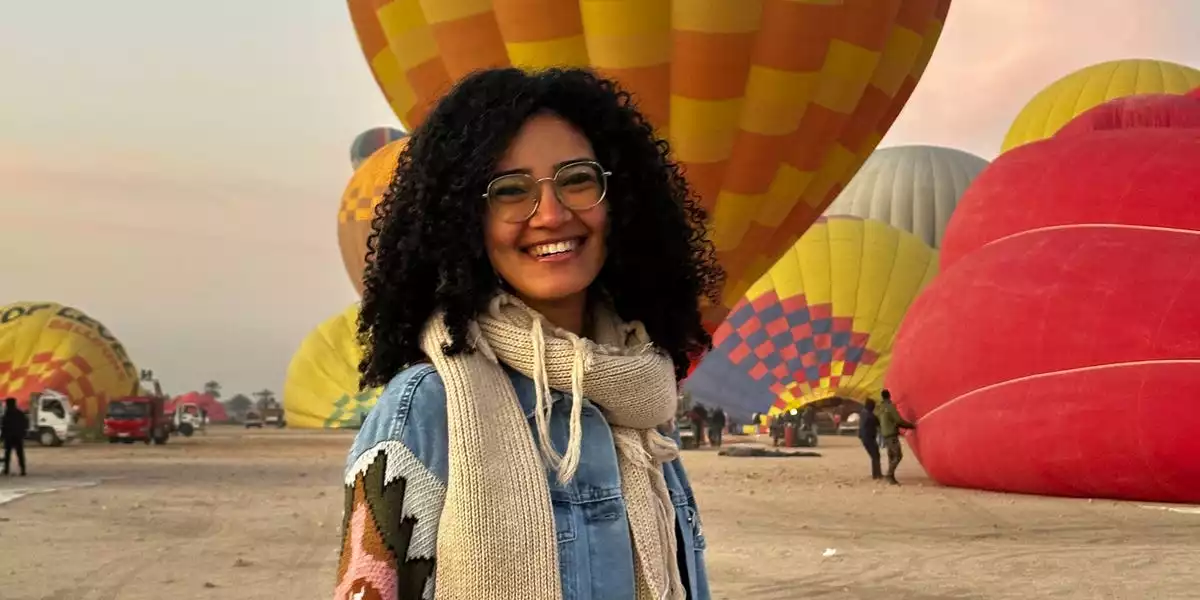
- Hot-air balloon flights over Luxor at dawn, reframing temple landscapes as living geography rather than static heritage
- Sunrise hikes to Mount Sinai, blending spiritual pilgrimage with endurance travel
- High-salinity salt lakes in Siwa Oasis, aligning Egypt with wellness and therapeutic tourism
- Desert camping and stargazing in the Black and White Deserts, where remoteness becomes the product
- Djara Cave exploration, a fragile prehistoric environment that rewards careful access and interpretation
- Red Sea snorkeling and scuba diving (Marsa Alam, Dahab, Sharm El Sheikh, Hurghada), positioning Egypt as a serious marine destination, not a beach add-on
For policymakers and operators, the significance is not merely experiential variety. It is portfolio resilience: multiple regions, multiple seasons, multiple traveler motivations—reducing dependence on any single site, narrative, or geopolitical perception.
The technology layer: AR/VR interpretation, connectivity, and data-driven site management
As Egypt expands beyond headline monuments, the operational challenge becomes clear: remote, fragile, and high-variance environments require a different tourism technology stack than urban museums or bus-tour corridors.
Several technology vectors stand out as both enablers and differentiators:
- Digital experience enhancement (AR/VR and immersive interpretation)
AR overlays can turn a balloon flight over Luxor into a guided, contextual narrative—reconstructing temples, aligning sightlines with historical events, and translating inscriptions into accessible storytelling. VR, meanwhile, can serve pre-trip planning and accessibility needs, especially for travelers unable to hike Sinai or enter sensitive cave systems.
- Drone mapping, photogrammetry, and non-invasive monitoring
Sites like Djara Cave and desert rock formations are inherently vulnerable to foot traffic and unregulated visitation. Drone-based mapping and photogrammetry allow conservation-grade documentation without constant human presence, supporting both protection and research while creating high-quality digital assets for interpretation.
- Connectivity and safety infrastructure for remote tourism
Desert camps, oasis retreats, and mountain trails are not just “off-grid”—they are risk-managed environments. Low-latency connectivity via 5G small cells, satellite backhaul, or hybrid networks supports emergency response, geofencing, and real-time coordination. For premium travelers, it also enables the expectations of modern hospitality: digital concierge services, cashless payments, and IoT-enabled lodging.
- Data-driven personalization and flow optimization
With sunrise hikes, balloon launch windows, and reef capacity all constrained by time and ecology, visitor-flow analytics become a sustainability tool as much as a revenue tool. Anonymized mobile-location data and booking telemetry can help:
– stagger Sinai summit departures to reduce crowding and safety incidents
– regulate balloon schedules to minimize congestion and environmental disturbance
– manage reef access to protect biodiversity and reduce overuse
The strategic endpoint is a tourism system that behaves more like a modern mobility network: predictive, adaptive, and capacity-aware, rather than purely promotional.
The business case: higher-margin diversification, wellness growth, and community-centered value capture
The economic logic behind these “hidden gem” experiences is not simply to add options—it is to raise yield per visitor while distributing benefits more evenly across regions.
Three business dynamics are particularly salient:
- Diversification into high-margin, lower-volume segments
Experiences such as guided desert expeditions, specialized diving, and curated wellness stays typically support higher pricing than mass-market day tours. They also encourage longer stays, especially when packaged across environments—desert to reef, oasis to temples—creating a stronger per-visitor economic footprint.
- Wellness tourism as a scalable growth pillar
Siwa’s salt lakes and Sinai’s pilgrimage-style ascent fit squarely into the global shift toward therapeutic and spiritual travel. With the wellness economy projected to exceed $1 trillion by 2026, Egypt’s natural assets can compete credibly—provided standards, safety, and service design match international expectations.
- Community-centered development and local enterprise formation
The strongest long-term model is one where local stakeholders are not peripheral labor but core value creators: Siwa guesthouses, desert-camp outfitters, local guides, dive operators, and craft supply chains. This aligns with inclusive development goals and reduces leakage of tourism revenue to external intermediaries.
For investors and destination planners, the opportunity is to build regional clusters—micro-economies around specific landscapes—rather than treating tourism as a single corridor anchored to Cairo and Giza.
What a future-proof Egypt tourism ecosystem could look like
The most competitive destinations are no longer those with the most famous landmarks, but those with the best integrated systems: digital discovery, seamless logistics, trusted safety, and credible sustainability. Egypt’s advantage is that its “seven environments” are not incremental—they are fundamentally different products that can be orchestrated into a coherent national offering.
A forward-looking blueprint emerging from these developments would emphasize:
- Unified digital platforms connecting balloon operators, trekking guides, oasis retreats, desert camps, and dive centers—enabling dynamic packaging and cross-selling
- Tech-enabled conservation, including IoT sensors and drone monitoring, feeding real-time dashboards for regulators and site managers
- Sustainable infrastructure for remote hospitality, especially solar microgrids and energy storage, turning sun-rich deserts into models of low-carbon lodging
- Blended finance and public-private partnerships to fund connectivity, safety systems, and conservation-grade access controls
- Skills development in multilingual guiding, remote logistics, digital hospitality, and marine/desert safety—building a workforce suited to premium experiential tourism
If Egypt’s next tourism chapter is written well, it will not replace the pyramids—it will contextualize them within a broader national proposition: a country where ancient civilization is only one layer of a destination portfolio that also includes wellness, adventure, marine ecology, and technology-enabled stewardship. The winners will be the operators and institutions that treat these landscapes not as untapped inventory, but as high-value assets requiring design, governance, and care.

 By
By


 By
By
 By
By

 By
By
 By
By







