
A personal reckoning that mirrors a structural demographic shift
The narrative of a woman moving from grief over unrealized motherhood to a confident child-free identity is, on its surface, intimate and deeply human. Yet it also functions as a clear signal of a broader socioeconomic realignment: family structures are diversifying, fertility rates are declining across much of the developed world, and “child-free by choice” is becoming a normalized life path rather than a cultural outlier.
What makes this story commercially and strategically relevant is not the absence of children, but the presence of *purpose*: she reframes nurturing as something expressed through mentorship, creative work, education, and animal advocacy. That reframing matters because it challenges a long-standing assumption embedded in everything from workplace policy to consumer marketing—namely, that adulthood “progresses” through a narrow set of milestones.
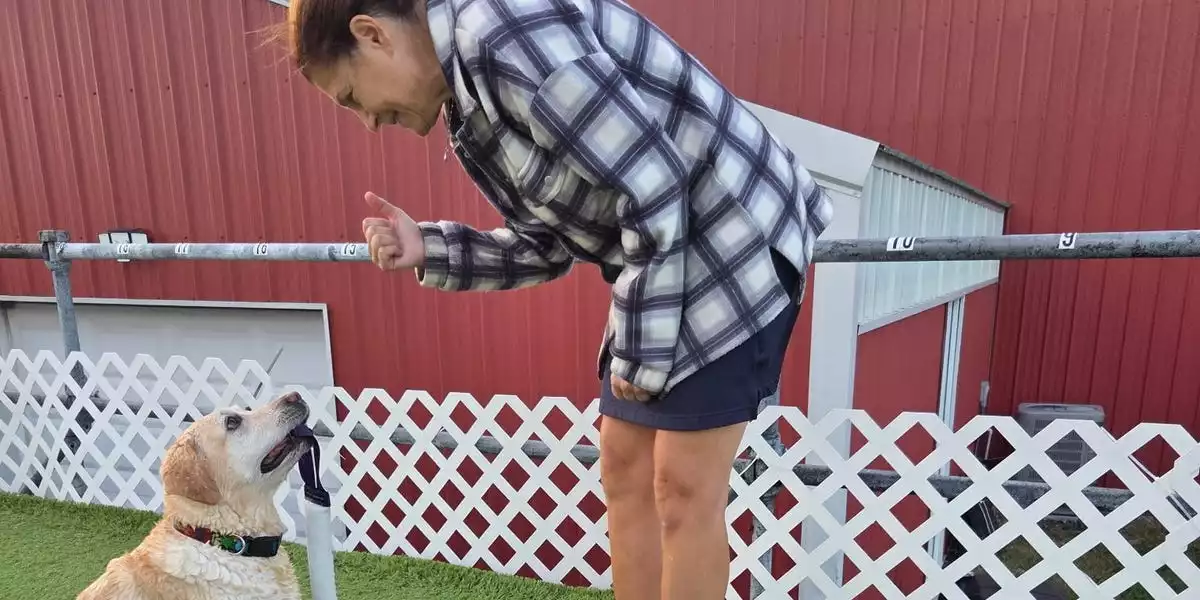
For business leaders and technology strategists, the takeaway is not ideological; it is operational. When a growing share of the workforce and consumer base does not organize life around parenting, time allocation, spending patterns, benefit expectations, and brand affinity shift accordingly. The author’s evolution into a “cool aunt” and devoted dog mom is emblematic of a cohort that is not disengaged from care, but redirecting it into different channels—channels that markets can either understand and serve, or misread and miss.
Workforce strategy: from family-centric benefits to modular “life-stage” design
The strategic context is increasingly difficult to ignore. Declining fertility rates affect long-term labor supply, while changing household compositions reshape what employees value. Traditional benefits packages—often optimized around parental leave, childcare subsidies, and dependent coverage—remain essential, but they no longer map cleanly onto the lived reality of many high-performing professionals.
The emerging competitive edge is not “less family support,” but more inclusive benefit architecture that recognizes multiple forms of responsibility and caregiving. Progressive employers are already experimenting with policies that treat employees as whole people across varied life choices.
Key implications for HR and leadership teams include:
- Modular benefits over one-size-fits-all packages
– Flexible stipends that employees can allocate to childcare, eldercare, pet care, or wellness
– Learning and development credits that support career reinvention and “purpose projects”
- Retention and engagement through autonomy
– Sabbaticals, compressed workweeks, and flexible scheduling that reflect experience-driven lifestyles
– Recognition that “care obligations” can include animals, extended family, and community roles
- Talent pipeline resilience
– With workforce composition tightening over time, companies that build cultures welcoming to diverse life paths may gain an edge in attraction and retention—particularly among mid-career professionals with high mobility
Notably, the narrative’s “cool aunt” identity highlights a subtle but powerful workforce dynamic: influence without formal authority. Her impact on a niece’s college decision is a reminder that guidance networks often operate outside institutional structures. Organizations that formalize mentorship in ways that feel authentic—rather than bureaucratic—can convert that same energy into measurable outcomes: stronger onboarding, faster skill transfer, and higher early-career retention.
Technology and platform economics: niche communities, pet-tech, and “care as a service”
The technological implications extend beyond HR. As non-traditional families and child-free lifestyles become more visible, digital communities and niche platforms are expanding to serve them—forums, subscription apps, and social networks centered on pet parenting, child-free living, and identity-based community building. For B2B SaaS providers and consumer brands, this is less about novelty and more about precision: segmentation is becoming more psychographic and less purely demographic.
Two platform trends stand out:
- Community infrastructure as a product
– Toolkits for moderation, identity-based discovery, and safe community design
– Analytics and targeted advertising that allow brands to engage without appearing intrusive or tone-deaf
- Pet-tech acceleration and the premiumization of animal care
– IoT-enabled feeders, GPS trackers, telehealth veterinary services, and AI-driven behavior monitoring
– A shift toward “animal welfare as a service”, where recurring subscriptions bundle monitoring, care coordination, and preventative health
The author’s “dog mom” identity is not merely cultural language; it reflects a market reality: pet care increasingly competes with child-related categories in both emotional intensity and spending priority. That creates opportunity, but also scrutiny. As AI-driven monitoring and telehealth expand, companies will face rising expectations around data privacy, clinical accountability, and ethical product claims—particularly when marketing leans on the language of family.
The experience economy and the “aunt effect”: new spending patterns and new mentorship models
Economically, the narrative points to a cohort with greater scheduling flexibility and, often, more discretionary income, though not universally. The author’s emphasis on creative ventures, education, and animal advocacy aligns with a broader “experience economy redux,” where spending tilts toward travel, cultural events, courses, and entrepreneurial experimentation.
This has direct implications for sectors that depend on discretionary demand:
- Travel and hospitality can design itineraries for pet owners and flexible travelers, including longer stays and off-peak experiences.
- Education and upskilling platforms can target learners motivated by identity and purpose, not only career advancement.
- Creator tools and gig platforms can better serve professionals pursuing side projects with real ambition, not just supplemental income.
Perhaps the most commercially underappreciated insight is what might be called the micro-mentorship model—the “aunt influence” effect. The author’s role in shaping a younger relative’s educational trajectory mirrors what many organizations struggle to engineer: trusted guidance that feels personal, not programmatic. Companies that build lightweight, opt-in mentorship ecosystems—pairing experienced employees with early-career talent—can replicate the benefits of familial support structures inside the enterprise, strengthening internal mobility and long-term loyalty.
Finally, the narrative’s thread of equine rescue and animal advocacy offers a pragmatic lens on corporate social responsibility. CSR aligned with non-traditional family narratives—animal welfare partnerships, education scholarships for “chosen” relatives, creative-arts grants—can feel more authentic to a changing workforce and consumer base, while still delivering measurable brand equity.
The story ultimately underscores a market truth: as definitions of family and fulfillment broaden, the most competitive organizations will be those that treat caregiving, purpose, and identity as plural—and build products, platforms, and workplaces that meet people where they actually are.

 By
By
 By
By
 By
By
 By
By

 By
By

 By
By