
Super Bowl TV Sales: Where Innovation, Margin, and Market Share Collide
As the Super Bowl approaches, the living room transforms into a battleground—not just for teams and fans, but for television manufacturers and retailers orchestrating a high-stakes, two-week sales crescendo. Once a luxury reserved for Black Friday, Super Bowl–centric TV promotions have evolved into a second retail holiday, compressing a year’s worth of technological progress and inventory maneuvering into a fleeting window of opportunity. This year’s cycle, however, reveals a profound shift: the convergence of technological democratization, aggressive pricing, and a recalibration of what consumers expect from their screens.
The New Arms Race: Display Technology and Experiential Refinement
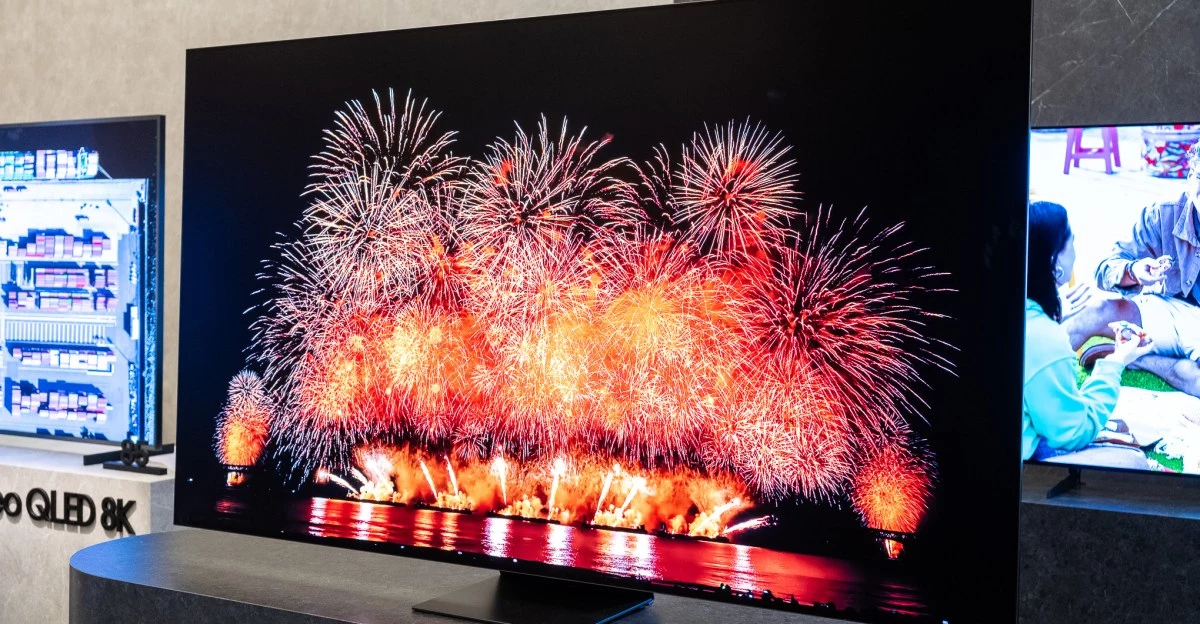
The 2024 Super Bowl cycle underscores a pivotal moment in the display landscape. OLED, once the untouchable apex of television quality and price, finds its premium moat eroding. LG’s C5 and similar mid-tier models now deliver OLED performance at prices that would have been unthinkable two years ago. Meanwhile, Mini-LED and QD-Mini LED sets from TCL and Hisense are rewriting the rules of engagement. By leveraging sheer brightness and ever-expanding screen sizes, these challengers are courting the sports viewer—once the exclusive domain of OLED’s inky blacks and fast response times.
Key innovations shaping this arms race include:
- QD-OLED Advances: Samsung’s S95F, for instance, fuses self-emissive OLED with quantum-dot color conversion, eliminating the need for white sub-pixels. The result? Vivid color volume even in high-brightness, fast-moving scenes—a boon for sports broadcasts awash in saturated graphics.
- Mini-LED Proliferation: TCL’s QM7K and Hisense’s U7QG narrow the “halo” gap with OLED by deploying thousands of local-dimming zones. Silicon cost curves have finally aligned, enabling 75-inch Mini-LEDs to hit sub-$1,000 price points.
- Anti-Glare as a Hero Feature: Samsung’s “glare-free” matte finish, once the province of commercial signage, now headlines living-room marketing. This pivot reflects a strategic recognition: daytime viewing is no longer an afterthought.
The technological focus is shifting subtly from core electro-optics to the experiential—the tactile, the visible, the usable. Anti-reflective coatings, once a line item, are now a narrative. The battle for the living room is as much about the feel and context of the experience as it is about raw specs.
Software, Ecosystems, and the Battle Beyond the Panel
Hardware innovation alone no longer guarantees loyalty. The software layer—once an afterthought—is now a critical front in the war for consumer mindshare. Proprietary operating systems, such as Tizen, face mounting friction as users gravitate toward content-centric ecosystems like Roku, Google TV, and Fire OS. The industry is at an inflection point: as panel technology becomes commoditized, the true differentiator is seamless, intuitive access to content.
- Refresh Rates and Connectivity: High refresh rates and variable refresh rate (VRR) support, once the preserve of gamers, are now table stakes for sports. HDMI 2.1 chipsets proliferate across portfolios, laying the groundwork for rapid adoption of next-gen broadcast standards like ATSC 3.0.
- Strategic Partnerships: The pressure is on for manufacturers to either license leading OS platforms or forge joint ventures. The winners will be those who can marry hardware prowess with ecosystem fluidity, unlocking new advertising and data-driven revenue streams as hardware margins compress.
Margin Compression, Market Dynamics, and the Coming Shakeout
The economics of the Super Bowl sales window are as complex as the technology itself. Promotional pricing—65-inch OLEDs at $1,400, 75-inch Mini-LEDs under $1,000, 100-inch LCDs near $2,000—signals a margin squeeze that will reverberate through the supply chain. For panel makers, especially Samsung Display and LG Display, the race to transition to Gen 10.5 fabs is existential; without it, negative gross margins on large substrates loom.
- Inventory Clearing and Timing: The Super Bowl window allows retailers to clear inventory ahead of CES product launches, minimizing end-of-year markdowns. Brands, eager to maintain shelf space, subsidize these promotions with co-op marketing dollars.
- Consumer Elasticity: Despite economic headwinds, demand for larger screens is rebounding. Pandemic-era savings and the ongoing cord-cutting trend are redirecting entertainment budgets toward ever-larger, more immersive displays. The new price points are resetting consumer expectations, threatening the business models of projection systems and premium home-theater installers.
Regulatory, Supply Chain, and Forward-Looking Risks
Beneath the surface, less obvious forces are at play. Large Mini-LED sets, while dazzling in brightness, draw significant power—an ESG concern as the EU contemplates stricter “Energy Label 2025” standards. Quantum-dot suppliers are hedging bets on new materials, wary of patent litigation that could disrupt supply just as QD-OLED market share accelerates. Meanwhile, the overlap between TV and automotive componentry introduces a fresh layer of risk: a spike in automotive demand could reignite the chip shortages that haunted the industry in 2021.
Looking ahead, the landscape is primed for further upheaval:
- Price Floors Will Fall: 65-inch OLEDs breaching the $1,000 mark by late 2025 is within reach, accelerating replacement cycles but intensifying margin pressure.
- Software Alliances and Open Platforms: Expect at least one major OEM to spin off or open-source its OS, forging alliances with content aggregators to counterbalance the power of walled-garden streamers.
- Sustainability as Differentiator: Modular repairability and recycled materials will become selling points, echoing the smartphone industry’s ESG narratives.
For decision-makers, the Super Bowl period is more than a sales spike—it is a real-time laboratory for pricing, elasticity, and consumer sentiment. Those who treat it as a strategic early-warning system, rather than a seasonal windfall, will be best positioned to capture not just margin, but the future of the living room itself. In this crucible of innovation and competition, the winners will be those who see beyond the spectacle to the shifting tectonics beneath.

 By
By

 By
By
 By
By
 By
By


 By
By