
The Unraveling of India’s IT Miracle: Automation, Anxiety, and the Search for New Value
For decades, India’s IT-services sector has been a paragon of globalization—a nation’s demographic dividend transformed into a global digital backbone. But the ground beneath this $245-billion industry is shifting. The rise of generative AI, low-code development, and robotic process automation (RPA) is not merely tweaking the contours of business process outsourcing; it is redrawing the entire map. The result is a sector at once flush with talent and beset by existential uncertainty, as automation hollows out the very jobs that once defined India’s ascent.
Automation’s Reverse Wave: From Global Labor Hub to Cognitive Redundancy
The technological inflection is stark. Where once Western enterprises offshored call centers, application maintenance, and QA to India for cost savings, today’s AI-powered platforms allow those same tasks to be automated in situ. Cloud hyperscalers and SaaS vendors are embedding generative AI and RPA natively, reducing the friction for clients to automate away functions that were, until recently, the lifeblood of Indian IT firms.
This is not simply a matter of efficiency. The shift echoes the early-2000s BPO boom—but in reverse. Then, labor chased cheaper geographies; now, cognitive automation lets the work remain at home, with algorithms replacing armies of entry-level engineers. The impact is immediate and visible: net hiring is slowing, layoffs are concentrated in “run-the-business” roles, and the sector’s traditional time-and-materials billing model is under siege.
The Human Cost: Surplus Talent, Scarce Skills, and Mounting Stress
India’s celebrated “demographic dividend”—12 million new workforce entrants each year—has become a double-edged sword. While universities churn out ever more graduates, the IT sector faces low single-digit headcount growth, or outright contraction, through 2030. The result is a labor market saturated with underutilized engineers, even as demand for AI specialists, prompt engineers, and MLOps experts soars.
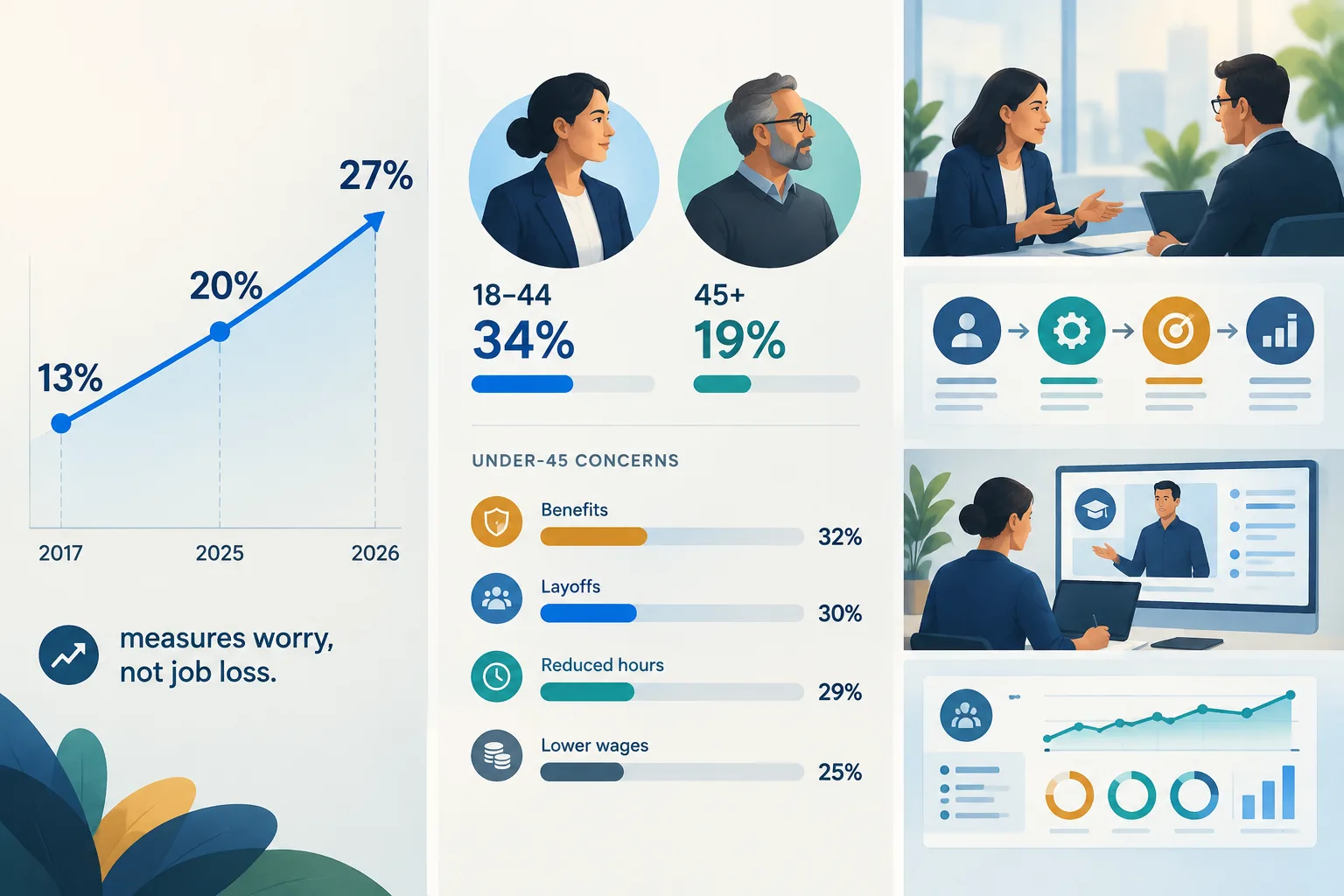
This mismatch is not merely economic; it is deeply personal. As layoffs mount and workloads intensify for those who remain, mental health has emerged as a silent crisis. Chronic burnout, anxiety over career viability, and a disturbing rise in employee suicides are eroding not just morale but productivity, code quality, and innovation. For boards and CXOs, mental health is fast becoming a hidden productivity variable—one that may soon influence vendor selection as much as cost or capability.
The wage landscape is bifurcating: stagnation and surplus at the bottom, rising premiums for those with rare, in-demand skills. The traditional promise of IT as a ticket to the middle class is fraying, replaced by a more precarious calculus of upskilling or obsolescence.
Strategic Imperatives: Redefining Value in a Post-Arbitrage Era
For India’s IT-services giants, the path forward is clear but steep. The sector must pivot from FTE-based billing to outcome-driven or platform-subscription models, embedding proprietary AI accelerators and domain-specific intellectual property. Reskilling is not a slogan but a survival imperative—requiring institutionalized hubs aligned with emergent demand areas such as edge AI, verticalized large language models, and responsible-AI compliance. Partnerships with ed-tech firms and time-boxed sabbaticals may offer a dual benefit: mitigating burnout while upgrading capability.
Multinational clients, too, must adapt. Vendor portfolios should be stress-tested for overconcentration in labor-intensive delivery centers. Mental-health KPIs and automation roadmaps are no longer optional, but essential elements of robust vendor governance. The most forward-thinking enterprises will co-create automation strategies that preserve institutional knowledge and foster higher-order co-innovation, rather than treating productivity gains as a zero-sum game.
Policymakers and academia face their own reckoning. Incentives must shift from headcount-linked tax breaks to IP creation and product exports. Curricula should embed AI ethics, design thinking, and mental-health literacy, while micro-credential pathways must be subsidized to align with the sector’s evolving skill matrix.
The Road Ahead: Scenarios and the Stakes for India’s Digital Future
The stakes are high. By 2028, analysts forecast that up to 30% of current entry-level IT roles in India could be automated, with sector growth lagging national GDP for the first time in decades. The upside? If India’s ecosystem can rapidly scale homegrown AI frameworks—especially those leveraging Indic language data—new domestic demand layers could partially offset export headwinds. The downside is far more sobering: a persistent mental-health crisis, wage stagnation, and geopolitical shocks could erode India’s share of global IT services by double digits.
Fabled Sky Research and other analysts agree: the Indian IT sector’s future will be defined not by how many people it employs, but by how deftly it can convert surplus labor into an AI-augmented talent advantage—while safeguarding the human capital on which its digital promise ultimately depends. The coming years will test not just the sector’s adaptability, but its humanity.

 By
By
 By
By

 By
By
 By
By
 By
By

 By
By