
Sonic Deterrents and the Calculus of Corporate Space
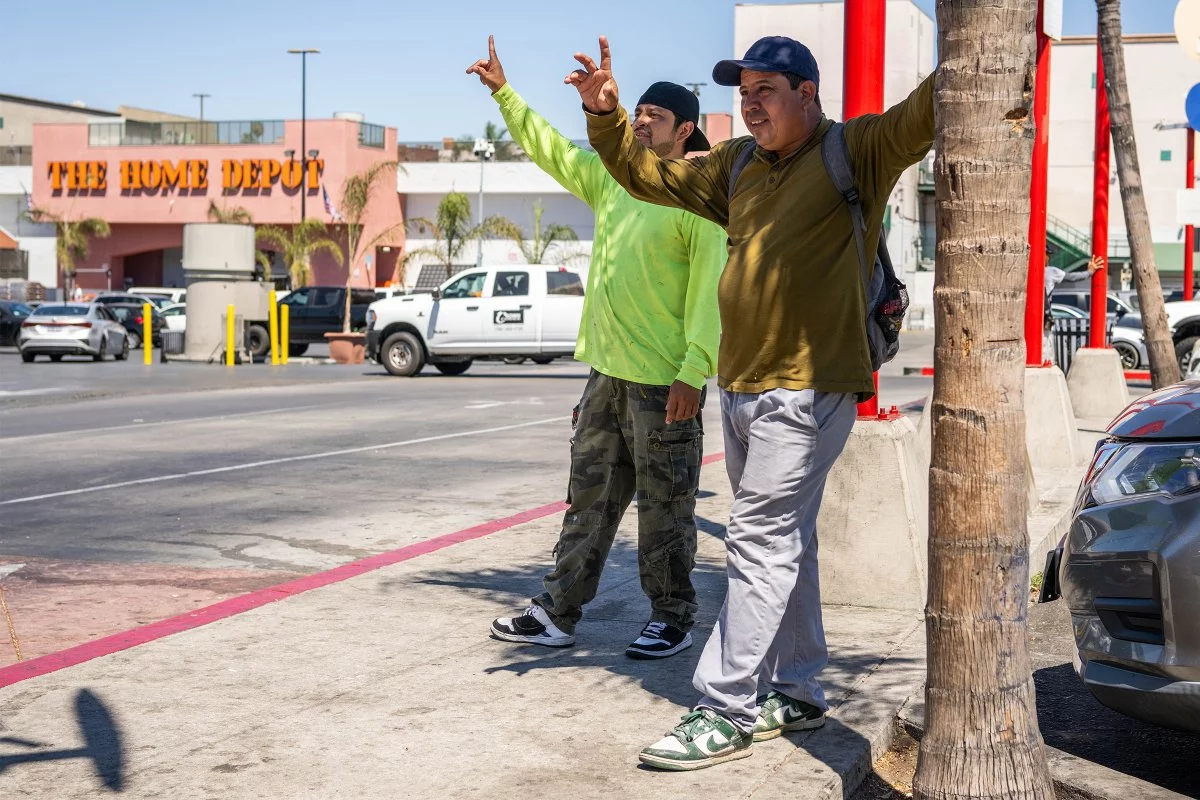
In the heart of Los Angeles, amid the thrum of commerce and the ceaseless churn of urban life, a new kind of invisible barrier has taken root. Home Depot’s deployment of high-frequency sound emitters at its Cypress Park location marks a profound—and profoundly disquieting—shift in how corporations curate the boundaries of their real estate. The devices, engineered to emit a piercing, near-infrasonic whine, are designed not for the ears of customers, but for those who gather outside: day laborers, many of them immigrants, who have long formed an informal but essential part of the construction ecosystem.
This innovation is not without precedent. The technology traces its lineage to Long-Range Acoustic Devices (LRADs), once the province of military and police forces, now repurposed for the quieter, subtler theater of retail property management. What was once a tool of crowd control has become a lever of spatial engineering—a low-cost, high-deterrence solution that offers facility managers a seductive alternative to fences or patrols. Yet, as advocacy groups and local officials decry the health impacts on workers and the punitive message such devices send, the debate around this practice has become a microcosm of larger questions: Who gets to shape public space, and at what cost?
The Dual-Use Dilemma: Automation, Surveillance, and Social Engineering
The migration of defense technologies into civilian life is hardly new, but its velocity has accelerated in the age of data and automation. Modern acoustic deterrents, networked and algorithmically triggered, are increasingly coupled with computer-vision systems—capable of identifying “undesirable” presence and activating only when needed. This convergence of IoT and surveillance signals a future in which the management of public and semi-public spaces is less about human judgment and more about automated exclusion.
For property managers, the calculus is compelling. Acoustic deterrents are inexpensive, require little maintenance, and—unlike security staff—never call in sick. But the social costs are harder to quantify. As the lines between security, surveillance, and social engineering blur, the risk is not only reputational but structural: the erosion of trust, the alienation of core customer segments, and the potential for regulatory backlash.
- Cost Efficiency vs. Social Impact: The appeal of “always-on” deterrence must be weighed against the potential loss of ancillary sales from day laborers, a segment that often purchases tools and materials before heading to job sites.
- Algorithmic Exclusion: The use of AI-driven systems to curate space raises profound ethical questions, echoing broader debates over facial recognition and the right to the city.
- Patchwork Compliance: With California’s progressive municipalities leading the charge, retailers face a landscape of rapidly evolving ordinances and compliance costs.
Economic, Regulatory, and Reputational Risk: A Volatile Mix
Home Depot’s move comes at a moment of heightened sensitivity to corporate social responsibility. Asset managers, controlling trillions in ESG-linked capital, are increasingly attuned to actions that may be construed as targeting vulnerable populations. For a company already on multiple “Social” watchlists, the optics of sonic deterrence are fraught. The threat is not just of public censure, but of tangible financial consequences: index exclusions, higher costs of capital, and the specter of activist campaigns.
Meanwhile, the legal landscape is shifting. While the frequencies emitted may sit below OSHA thresholds, the door is open to tort claims—nuisance, negligence, discriminatory impact—should health data or patterns of exclusion emerge. The precedent set by one major retailer can quickly ripple through the sector, forcing competitors to choose between adopting similar measures or investing in more inclusive, and often costlier, alternatives.
- Social License at Stake: The narrative dissonance between Home Depot’s “Do-It-Yourself” ethos and the exclusion of tradespeople is a potent catalyst for social media backlash and consumer boycotts.
- Regulatory Momentum: Local ordinances targeting “sensory nuisance” are likely to proliferate, creating a checkerboard of compliance challenges for multistate operators.
- Litigation and Liability: Even absent statutory violations, the evolving standards of corporate conduct increase exposure to legal and reputational risk.
The Future of Space, Labor, and Corporate Responsibility
The rise of “hostile architecture”—from anti-homeless benches to sonic deterrents—signals a broader societal reckoning with the ways in which technology is used to shape, and sometimes police, the commons. Retailers and municipalities are at a crossroads: double down on automation and exclusion, or invest in workforce strategies that align with diversity, equity, and inclusion commitments. The stakes are high, particularly as immigration policy remains volatile and labor shortages persist in construction and related trades.
For decision-makers, the imperative is clear: risk-adjusted security portfolios must account for not only financial capital but also human and social capital. Early engagement with community stakeholders, robust ESG disclosures, and the establishment of cross-functional governance frameworks are not mere box-ticking exercises—they are strategic necessities in an era of heightened scrutiny and rapid technological change.
The episode at Cypress Park is not an isolated incident, but a signal flare. It illuminates the tensions at the heart of modern retail—between efficiency and empathy, automation and inclusion, short-term control and long-term resilience. The challenge is not simply to dampen the noise, but to tune in to the deeper frequencies of societal expectation and ethical stewardship.

 By
By
 By
By

 By
By
 By
By

 By
By