
Paramount’s Calculated Gambit: Rewriting the Rules of Streaming Supremacy
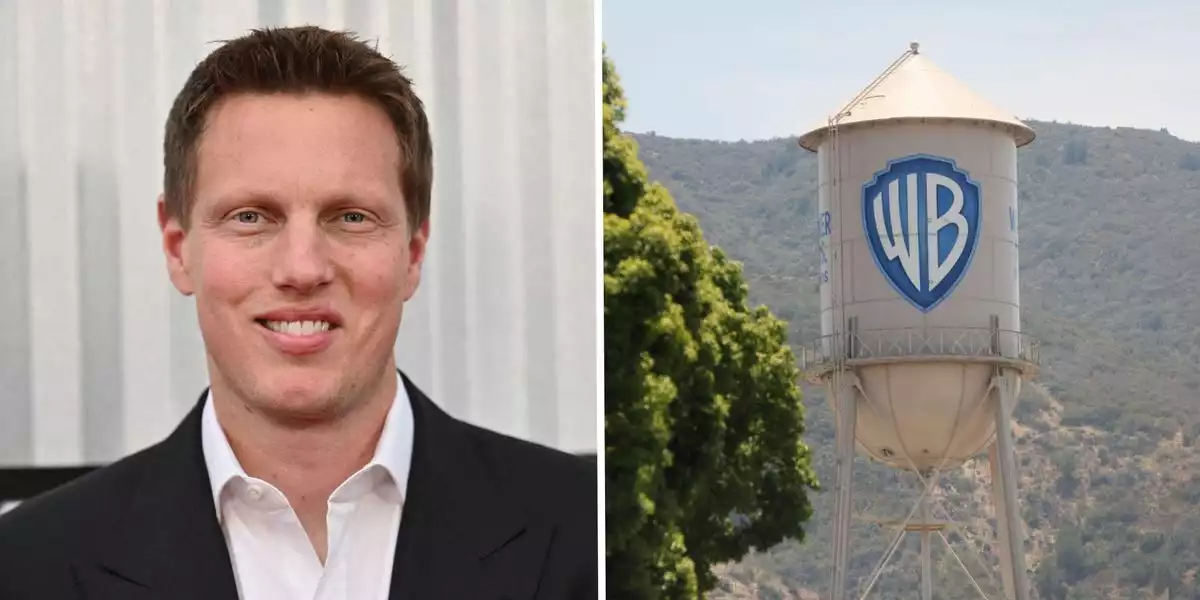
The media landscape, already a chessboard of shifting alliances and existential bets, has been jolted by Paramount’s audacious, all-cash bid for Warner Bros. Discovery (WBD). At $30 per share, Paramount’s unsolicited offer is not merely a countermove to Netflix’s $82.7 billion cash-and-equity agreement—it’s a high-stakes reimagining of what it means to own, distribute, and monetize culture in a world where streaming growth is decelerating and capital is anything but cheap.
Paramount’s bid, backed by Skydance equity and a consortium of Ellison-aligned financiers, signals a willingness to trade headline price for speed and certainty. The offer, which values WBD at a roughly 17–19% discount to Netflix’s, is a masterclass in dealcraft: cash immediacy, projected $3.5 billion in annual synergies, and a promise to sidestep the antitrust labyrinth that has become the new normal for mega-mergers. For WBD’s board, the calculus is stark: accept a lower sticker price for a faster, cleaner exit, or risk the slow bleed of value erosion as regulatory clocks tick and macro headwinds gather.
Strategic Realignment: Content, Distribution, and the Battle for Platform Primacy
At the heart of this contest lies a fundamental question: What is the true source of power in media—content scale or distribution reach? Netflix, hungry for the prestige and global resonance of HBO, DC, and the Wizarding World, seeks to deepen its moat in premium scripted franchises. The acquisition would finally give Netflix the kind of consensus hits that have so far eluded its original programming, and potentially transform it into the definitive entertainment operating system.
Paramount, meanwhile, is betting on diagonal integration. By fusing Paramount+’s live sports and news with HBO Max’s prestige catalog, and layering in the reach of Pluto TV’s free ad-supported streaming and CBS’s broadcast muscle, Paramount envisions a multi-format, multi-revenue juggernaut. The model echoes Comcast’s NBCU playbook but at a scale and IP density that could redraw the boundaries of the streaming wars.
For WBD, both suitors offer a lifeline from its $43 billion debt burden and a chance to finally unlock the global potential of HBO Max. Yet the paths diverge: Netflix promises a unified global platform, albeit with regulatory drag and integration risk; Paramount offers a swifter, more diversified stack, but with a heavier debt load and the challenge of harmonizing creative cultures.
Technology, Regulation, and the Unseen Levers of Value
Beyond the headlines, the real battleground may be technological. WBD’s next-generation, cloud-agnostic microservices platform—descended from the vaunted “BAMTech 2.0” lineage—represents a leap forward in scalability and AI-driven personalization. Paramount, whose legacy platforms lag in both architecture and data science, would leapfrog years of capex and vendor dependency by absorbing HBO Max’s stack. The value of real-time sports highlight clipping, dynamic ad insertion, and a machine learning engine parsing 650 million daily preference signals is not lost on either bidder.
Regulatory dynamics add another layer of complexity. A Netflix-WBD tie-up would command roughly a third of U.S. premium scripted viewership, nudging the DOJ’s informal red line and inviting a protracted review—especially in an election year. Paramount’s offer, by contrast, lands below key concentration thresholds and leverages its unionized CBS heritage to court labor and political goodwill. The specter of Ellison’s Beltway connections looms, hinting at potential acceleration should the political winds shift.
The Road Ahead: Scenarios, Risks, and the Art of the Possible
The outcome of this three-way contest—Paramount, Netflix, and the regulatory state—will reverberate far beyond the balance sheets of the companies involved. Should Netflix prevail, expect a year or more of regulatory limbo, during which rivals like Disney+ and Amazon will scramble to lock up premium IP, inflating content costs and testing the patience of investors. Paramount’s upset would trigger a rapid integration blitz, but saddle the combined entity with a debt profile that flirts with the boundaries of investment grade.
There remains the wildcard of a deal collapse or third-party intervention. Comcast, Apple, or private equity could swoop in for prized assets, fragmenting the landscape further and prolonging the sector’s malaise.
For content creators, the message is clear: now is the time to negotiate from strength, as bidders overpay for evergreen IP and global rights. Technology vendors should prepare for platform migrations and a new baseline of zero-trust security and generative AI-driven personalization. Investors, meanwhile, would do well to watch the spread volatility and implied probabilities in the options market—a barometer for the sector’s next act.
Paramount’s gambit reframes the streaming endgame from a simple contest between Big Tech and legacy media to a multidimensional struggle where capital efficiency, regulatory savvy, and platform engineering are as decisive as the IP itself. The industry stands at a crossroads, with the outcome set to define not just who owns the world’s stories, but how—and by whom—they are told.

 By
By
 By
By
 By
By
 By
By
 By
By

 By
By