
Chicago’s Sidewalk Robot Experiment: Collision Course of Innovation and Civic Will
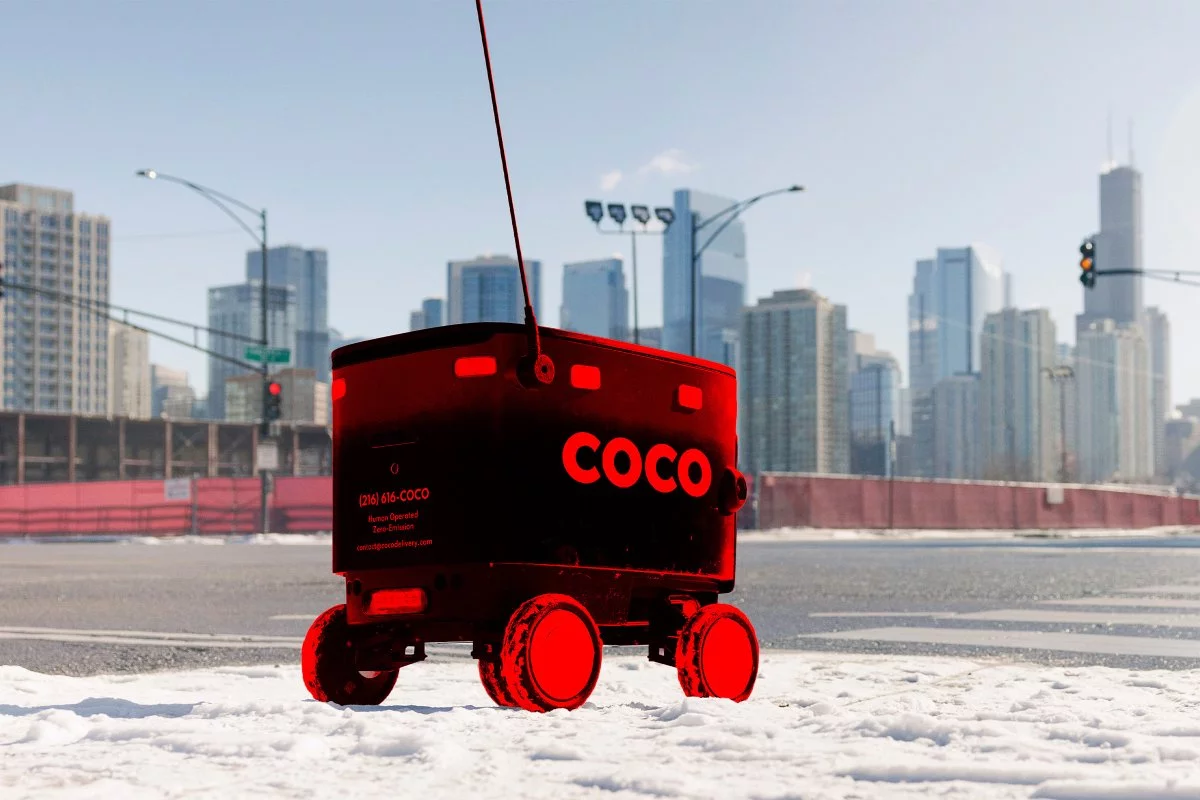
Chicago, a city famed for its architectural audacity and Midwestern grit, finds itself at the epicenter of a new urban experiment—one that has nothing to do with steel or stone, but everything to do with the future of mobility. The city’s pilot program, which has unleashed fleets of sidewalk delivery robots from Coco and Serve, is no mere technological curiosity. It is a live test of how cities, citizens, and companies will negotiate the fraught intersection of automation, accessibility, and public space.
The Limits of Machine Autonomy in the Urban Wild
Sidewalk robots occupy a peculiar rung on the autonomy ladder: more sophisticated than warehouse drones, but still leagues away from the promise of fully self-driving cars. Their “last-mile” journeys are not the stuff of science fiction, but rather a careful dance of sensors, tele-operation, and real-time improvisation. In Chicago, where winter is not a season but a force of nature, the robots’ technical limitations are thrown into sharp relief.
- Sensor and Actuator Constraints: Today’s sidewalk robots are ill-equipped for the city’s notorious ice, slush, and snow. Their current suite of sensors and drive systems lack the adaptive finesse required to navigate unshoveled sidewalks and unpredictable curb cuts—an Achilles’ heel for a city where winter conditions prevail nearly a fifth of the year.
- Tele-operation Bottlenecks: While remote human operators can intervene, this model is costly and vulnerable to latency—especially when cellular networks buckle under weather-induced strain.
- Data Exhaust and Urban Privacy: The robots’ relentless mapping—HD video, LiDAR sweeps, pedestrian telemetry—creates a trove of urban data. This “digital exhaust” is a double-edged sword: a potential goldmine for retailers and insurers, but also a privacy minefield for residents. The regulatory vacuum around this data only deepens the sense of unease.
Economic Fault Lines: Who Profits, Who Pays?
The sidewalk robot, for all its futuristic sheen, is an economic agent as much as a technological one. Its arrival on Chicago’s streets has triggered anxieties not only about safety and accessibility, but about the invisible flows of capital and labor it disrupts.
- Unit Economics Under Pressure: Each robot, at scale, displaces up to 1.6 human delivery shifts daily. Yet, with gig-economy wages at $16–$20 an hour and the city’s notorious congestion, robots must achieve high utilization—over six deliveries per day—to break even. Winter, with its logistical snarls, threatens these fragile margins.
- Public Subsidy, Private Gain: Sidewalks, once the commons of urban life, risk becoming de facto logistics corridors for private firms—without the user fees or oversight that govern ride-share vehicles or curbside parking. The externalized costs, borne by taxpayers, are hidden yet profound.
- Labor Displacement and Geographic Arbitrage: While tele-operation creates new jobs, these are often sited far from the cities served, diluting any local employment benefit. The specter of job loss looms, with little evidence of meaningful upskilling or economic offset within Chicago itself.
Governance in the Grey Zone: Regulation, Risk, and the ADA
Perhaps the most profound challenge is regulatory. The sidewalk, that most prosaic of urban spaces, is a legal no-man’s-land. Unlike drones or autonomous vehicles, which fall under federal purview, sidewalk robots exist in a patchwork of local ordinances and improvisational policymaking.
- ADA and Accessibility Risks: The Americans with Disabilities Act looms large. A single blocked curb cut or hazardous interaction with a visually impaired pedestrian could trigger class-action litigation, exposing both municipalities and vendors to cascading legal and financial risk.
- Precedent and Policy Contagion: Chicago’s approach will resonate far beyond its borders. A permissive stance could embolden rapid rollouts in other major cities; a crackdown might inspire a wave of “slow-city” activism, chilling investment and innovation.
- Strategic Uncertainty: For operators and investors, the absence of harmonized regulation means compliance drag, rising costs, and a heightened need for adaptive strategy. Only those with deep pockets and nimble governance will survive the coming shakeout.
Navigating the Next Three Years: Scenarios and Strategic Imperatives
The next 18–36 months will be decisive. Chicago’s experiment could yield a model of managed integration—tiered permits, winterized robots, robust data-sharing compacts. Or, a single high-profile accident could trigger a regulatory snapback, stalling the sector and redirecting capital elsewhere. A more likely outcome is a fractured national landscape, with only the most resilient players enduring.
For urban retailers and logistics platforms, hedging bets through multimodal delivery—robot, e-bike, human courier—will be essential. Municipal leaders must treat sidewalk space as a scarce, regulated utility, not a free-for-all. And for investors, the focus must shift from hype to hard metrics: autonomy rates, liability provisions, and the true cost of tele-operation.
The sidewalk robot is not just a machine—it is a flashpoint for debates about public space, labor, data, and the very meaning of urban life. As Chicago’s pilot unfolds, it will test not only the resilience of technology, but the adaptability of civic governance. The outcome will reverberate far beyond the city’s snowy streets, shaping the future of last-mile logistics in every metropolis bold enough to follow its lead.

 By
By
 By
By
 By
By


 By
By
 By
By