
Crashes, Cameras, and the Cost of Speed: The Robotaxi Reckoning
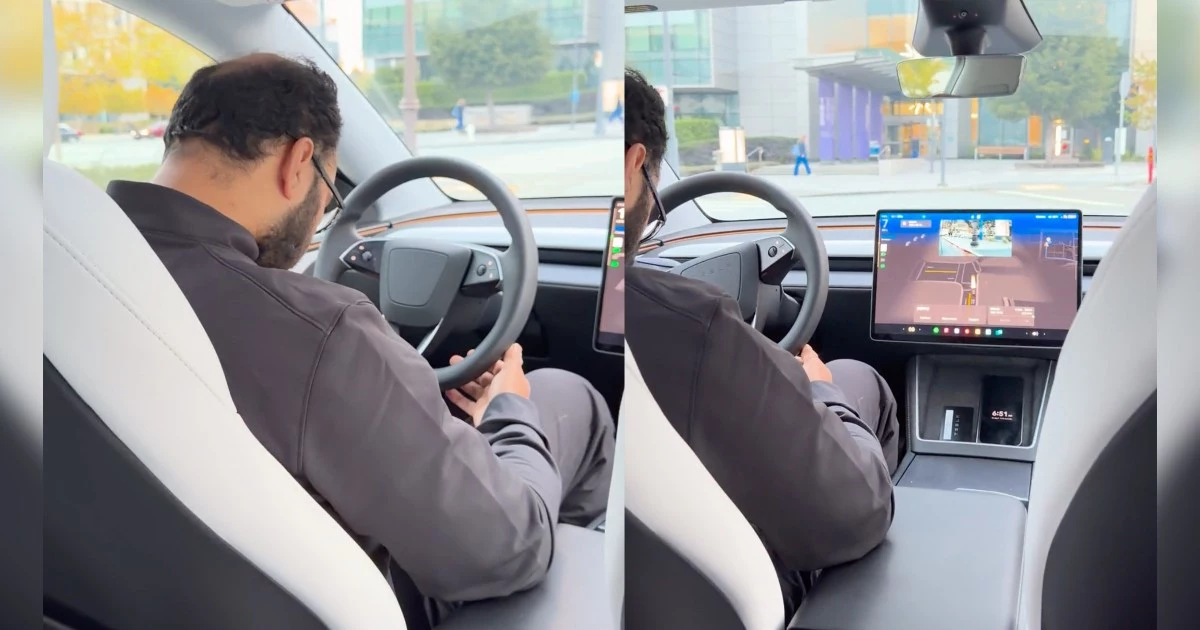
The summer sun in Texas brought with it more than just heat—it illuminated the high-stakes gamble at the heart of Tesla’s Robotaxi rollout. As the company’s autonomous vehicles began ferrying passengers in Texas and pilot-testing in California, a string of on-road incidents, from crashes to viral footage of “safety” drivers dozing off, has thrown the entire sector into sharp relief. What once seemed like a triumphant leap toward a driverless future now reads as a cautionary tale about the perils of prioritizing speed over safety.
The Fragility of Vision-Only Autonomy
At the core of Tesla’s approach is a bold, some might say audacious, reliance on a vision-only sensor stack. By eschewing Lidar and Radar in favor of cameras, Tesla has trimmed hardware costs and streamlined its supply chain. But this minimalism comes at a price: the system’s dependence on human “safety drivers” as the final backstop is proving alarmingly brittle.
- Human-in-the-loop fatigue is not a theoretical risk. Decades of research confirm that passive monitoring leads to micro-sleep episodes within as little as 20 minutes, rendering console alerts a feeble defense against inattention.
- Handover latency—the critical seconds it takes a drowsy driver to re-engage—exposes a yawning gap between Tesla’s marketing and its operational reality. In these moments, the system is effectively unmonitored, straddling the fault line between Level-2 and Level-3 automation.
- Software edge cases multiply in the absence of sensor redundancy, making the system hypersensitive to unpredictable road scenarios and further taxing the vigilance of human overseers.
This technical architecture, while innovative, underscores a broader industry tension: the temptation to scale “beta” software in safety-critical contexts, a strategy that has served Tesla well in over-the-air updates but now risks undermining public trust.
Regulatory Whiplash and the New Economics of Autonomy
The fallout from Tesla’s Robotaxi incidents has not gone unnoticed by regulators. In California, the dual oversight of the DMV and CPUC gives authorities a powerful toolkit to pause or restrict deployments—potentially setting a national precedent for multi-agency governance of autonomous mobility.
- NHTSA’s defect probes into Autopilot and Full Self-Driving are now factoring in the added complexity—and liability—of passenger-for-hire services. The specter of civil litigation, with damages on the scale of aviation accidents, looms large.
- Conditional moratoria and stricter driver-monitoring mandates are on the horizon. Infrared eye tracking and tele-operator backups, once considered optional, could soon become table stakes, raising operational costs by 8–12 cents per mile and eroding Tesla’s projected margins.
- Insurance markets are recalibrating. Without robust real-time telemetry, premiums for mixed-autonomy fleets may rise by 20–30%, challenging the economics of robotaxi deployment.
For competitors like Waymo and Motional, the turbulence surrounding Tesla offers a strategic reprieve. Their sensor-rich, methodical rollouts—once criticized as slow—are now being recast as prudent, widening the “trust delta” with regulators and city councils.
Culture, Capital, and the Shifting Sands of Trust
Tesla’s “move fast and break things” ethos, so effective in software, is colliding with the unforgiving realities of public roadways. The company’s willingness to beta-test autonomy at scale is now drawing scrutiny not just to its technology, but to its entire corporate culture—a scrutiny that extends to labor practices and even the safety records of other Musk-led ventures.
- ESG-driven procurement is gaining traction. Municipalities and fleet buyers are invoking “social license” clauses, introducing new delays and complexities into procurement cycles.
- Investor calculus is shifting. The focus is moving from algorithmic prowess to safety governance, echoing the post-2008 evolution in fintech due diligence.
- Third-party validation is emerging as a growth market. Startups specializing in safety analytics and fatigue detection are poised to become indispensable partners for OEMs and regulators alike.
Cloud providers, too, stand to benefit as the industry pivots toward remote supervision and edge computing, demanding ultra-low-latency infrastructure to support real-time intervention.
The Road Ahead: Reconciling Velocity with Vigilance
The turbulence surrounding Tesla’s Robotaxi program is more than a temporary setback—it is a crucible for the entire autonomous mobility sector. The lesson is clear: Moore’s Law iteration cycles cannot be simply grafted onto aerospace-grade safety imperatives. The future will belong to those who can marry the relentless innovation of Silicon Valley with the discipline and transparency of regulated industries.
For automakers, the imperative is to treat Level-3 autonomy as a waypoint, not a destination—prioritizing sensor fusion and deterministic safety over cost-cutting. Investors must stress-test their models against regulatory drag and rising insurance friction. And for regulators, the challenge is to craft sandbox frameworks that balance innovation with public safety.
In this new landscape, the winners will be those who internalize the dual mandate of speed and safety, building not just smarter cars, but a more resilient social contract for intelligent transportation.

 By
By
 By
By
 By
By
 By
By


 By
By

 By
By
 By
By