


Engineering Elegance: The Steam Frame’s Audio Revolution
In the ever-evolving theater of virtual reality, hardware innovation often arrives in increments—lighter headsets, sharper displays, a few more pixels or degrees of field. Valve’s unveiling of the Steam Frame VR headset, however, signals a more fundamental reimagining. At the heart of this device lies a dual-driver, vibration-cancelling audio architecture, a feat that addresses a silent saboteur of VR immersion: the subtle, sensor-jarring tremors induced by high-intensity audio.
The Physics of Silence
The Steam Frame’s audio system employs two miniature transducers mounted in phase opposition—a Newtonian ballet where each driver’s movement is counteracted by its twin. This configuration doesn’t just dampen vibration; it nearly erases it at the source, allowing the headset’s computer-vision cameras and inertial measurement units (IMUs) to operate with sub-millimeter precision. For genres like esports and rhythm games, where tracking fidelity is non-negotiable, this is a quiet revolution.
Valve’s approach sidesteps the industry’s traditional reliance on mass-based dampers or inertial counterweights. The result? A headset that remains featherlight, its center of gravity nestled close to the user’s cervical spine, promising comfort across marathon sessions. In an era where every gram counts, this is no small feat.
Modularity: The PC Ethos Reborn in VR
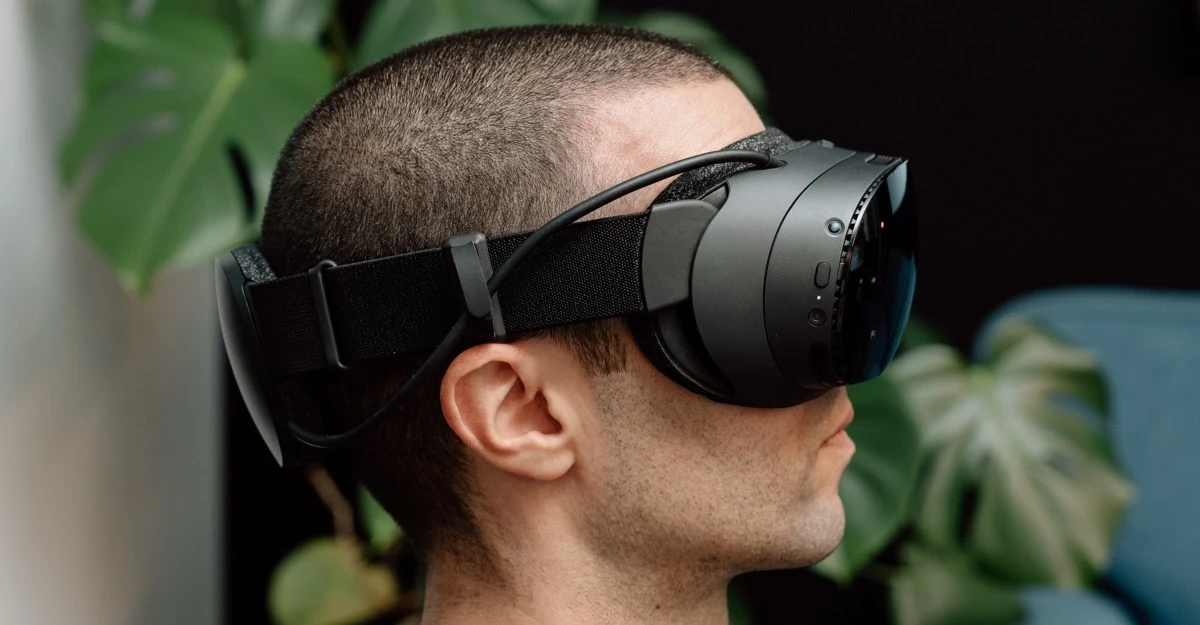
Equally transformative is the Steam Frame’s modular head-strap system. Here, Valve borrows from the ethos of the PC tower—component optionality, user-driven upgrades, and a thriving aftermarket. Swappable straps and audio modules decouple acoustics, battery placement, and counterweights, inviting users to tailor their hardware as needs evolve. For Valve, this isn’t just a design flourish; it’s a strategic hedge against volatile supply chains and the creeping commoditization of consumer electronics.
Should Valve release open mechanical CAD files, as it did with Index accessories, a cottage industry of third-party modules could flourish. This echoes the network effects of the Steam Workshop, where community-driven innovation often outpaces the original blueprint. The feedback loop accelerates: firmware updates informed by real-world telemetry, hardware iterations shaped by grassroots demand.
Platform Strategy: Beyond the Headset Refresh Cycle
The Steam Frame’s modularity and audio fidelity are more than engineering triumphs—they are chess moves in a shifting platform economy. Where competitors like Meta double down on onboard compute and Apple touts micro-OLED optics, Valve’s axis is “sensory fidelity plus modularity.” This differentiation is not just technical, but economic.
Rethinking the Razor-and-Blade Model
Valve’s strategy hints at a reversal of the classic razor-and-blade paradigm. Instead of subsidizing hardware to drive game sales, the company can now extract value from accessory royalties and storefront fees. Each modular strap, battery pack, or audio upgrade becomes a new revenue stream, extending the headset’s lifecycle and smoothing the volatility of refresh cycles. For enterprises wary of large capital outlays in an era of high interest rates, this incremental upgrade path is especially appealing.
Defensible IP and Industry Standards
Vibration-cancellation at the driver level is no trivial achievement. The underlying acoustic engineering and proprietary DSP algorithms could form the backbone of defensible intellectual property, with potential licensing opportunities spanning noise-cancelling headphones to automotive HUDs. Meanwhile, modular reference standards may evolve into de facto industry connectors, raising switching costs and deepening platform lock-in.
Implications for Stakeholders Across the VR Ecosystem
The Steam Frame’s innovations ripple far beyond the living room or gaming den. For hardware OEMs, Valve’s blueprint offers a template for weight-neutral vibration mitigation, potentially lowering shipping costs and improving environmental metrics. Content creators, meanwhile, are poised to explore new genres—audio-driven experiences unshackled by the fear of tracking degradation.
- Enterprise and Industrial Buyers: Precision tracking under high acoustic loads is a boon for training simulations in defense, aerospace, and heavy machinery. Procurement strategies can now be phased, layering specialized straps or sensors as ROI justifies further investment.
- Investors and Analysts: Valve’s sustained R&D, even amid sector-wide belt-tightening, signals long-term conviction in immersive platforms. Key performance indicators will shift: attach rates of modular accessories and rising average revenue per user (ARPU) for add-ons become as critical as headline hardware sales.
A New Blueprint for Resilient Immersive Platforms
Valve’s Steam Frame is more than a headset; it is a harbinger of a new platform logic in VR. By transforming a niche engineering fix into a defensible feature, the company has safeguarded the technical foundation for high-growth content categories. Modularity, once a convenience, now underpins a strategy of capital efficiency and ecosystem resilience.
For decision-makers charting the future of immersive technology, the Steam Frame offers a template: build for upgradeability, engage the community as co-architects, and extract value not just from the device, but from the constellation of accessories and experiences it enables. In a climate of hardware commoditization and macroeconomic uncertainty, such adaptability may prove to be the industry’s most valuable asset.

 By
By
 By
By

 By
By
 By
By

 By
By
 By
By







