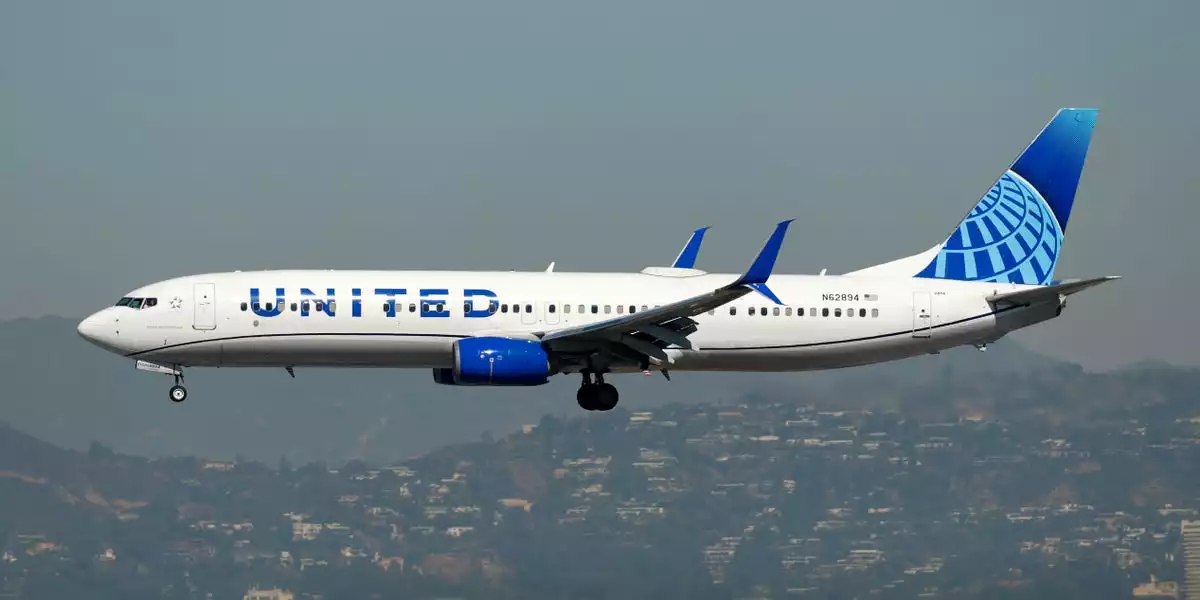

When a Window Seat Isn’t: The Anatomy of a Modern Airline Lawsuit
The recent lawsuits filed against United Airlines and Delta Air Lines for charging premium fees on “window” seats that, due to quirks in aircraft engineering, offer no actual view, have ignited a debate that extends far beyond the mere semantics of seat labeling. At its core, this legal skirmish exposes the collision of legacy technology, evolving consumer expectations, and the relentless pursuit of ancillary revenue—a collision that may well reshape the future of airline retailing.
The Hidden Complexities of Cabin Design and Data
Modern aircraft cabins are marvels of engineering, but also of compromise. The Boeing 737, a workhorse of domestic fleets, exemplifies this: its interior is a lattice of ducts, wiring, and structural reinforcements, with window placements often dictated by the needs of systems rather than the desires of passengers. Airlines, given some latitude by manufacturers, can configure cabins in ways that occasionally leave “window” seats pressed against blank fuselage.
Yet the real issue lies not in the metal but in the data. Most airline booking engines—still tethered to decades-old Passenger Service Systems—cannot ingest or display seat-level window data, even when such information is available in OEM files or maintenance logs. The result is a persistent data visibility gap: passengers pay for a “window” seat, only to discover, sometimes at 35,000 feet, that the view is a myth.
Some carriers, notably Alaska and Ryanair, have demonstrated that real-time seat attribute labeling is technically feasible, embedding warnings about obstructed views directly into their digital storefronts. This is not a problem of technology, but of priorities—of data governance, commercial policy, and the willingness to invest in user experience.
The Economics of Ambiguity: Ancillary Revenue at Risk
For U.S. airlines, the stakes are high. Ancillary fees—seat selection, baggage, priority boarding—now account for nearly half of total profit, with “preferred seat” upsells delivering some of the fattest margins in the business. But the very profitability of these fees depends on perceived fairness. When a paid attribute like a window view becomes subjective, the value proposition collapses.
The lawsuits threaten more than just restitution for a handful of windowless seats. They challenge the broader narrative that seat selection fees are a transparent, value-based exchange. In an era of inflation and heightened price sensitivity, any erosion of trust can push customers back toward basic fares, undermining a revenue stream airlines have come to rely on to buffer against volatile fuel costs.
There is also a legal and regulatory undertow. U.S. courts have increasingly sided with consumers in cases of ambiguous fare representations, and a ruling against United or Delta could accelerate Department of Transportation rule-making on fee transparency. The “reasonable consumer” doctrine, now central to the case, aligns with the current regulatory focus on eliminating “junk fees” and dark patterns in digital commerce. Airlines that appear to monetize opacity risk not only litigation but reputational damage—an ESG concern as much as a financial one.
The Path Forward: Data-Driven Transparency and Strategic Opportunity
The solution to this conundrum lies in transforming the cabin from a black box into a digital twin—a real-time, aircraft-tail-level model that streams every seat’s attributes into booking and pricing engines. With granular data, airlines could deploy AI-driven pricing models that dynamically value micro-features: a true window, extra recline, or a quiet zone. This is not mere compliance; it is an opportunity to turn transparency into a competitive differentiator.
- For airline executives, the imperative is clear: audit seat attributes, quantify refund exposure, and integrate configuration management with e-commerce channels. Treating seat transparency as both compliance insurance and a revenue accelerator could turn litigation risk into a tiered-pricing opportunity.
- For technology leaders, the focus should be on building robust data pipelines—perhaps leveraging APIs or blockchain registries—to ensure seat metadata is accurate and immutable, and on validating configurations through computer vision during maintenance.
- For investors and analysts, the outcome of these lawsuits will be a bellwether for the sector. A negative ruling could compress margins and trigger a wave of M&A as airlines scramble to retrofit compliance.
The true lesson of the “windowless window” controversy is that the future of airline retailing will be defined by the granularity and honesty of its data. As the industry pivots from broad-brush capacity management to attribute-based retailing, those who embrace radical transparency—both in technology and in customer promise—will not only survive regulatory scrutiny but may also unlock new sources of loyalty and profit. In this era, the seat map is no longer just a diagram; it is a contract, a data product, and, increasingly, a test of trust.

 By
By
 By
By
 By
By

 By
By


 By
By