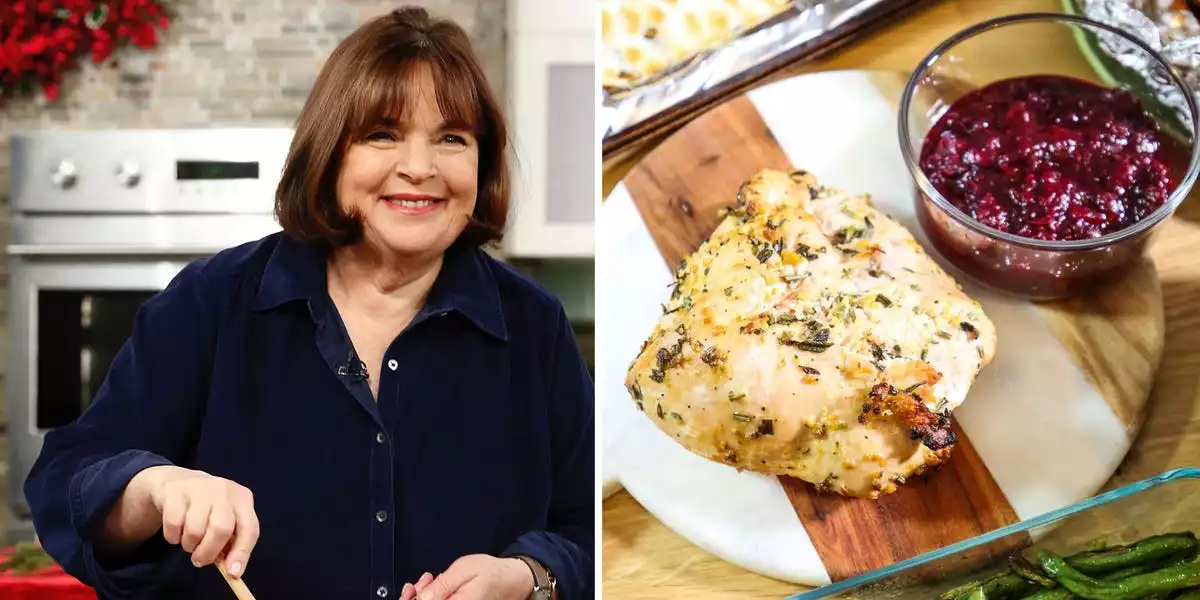

The New Thanksgiving: How Ina Garten’s Recipes Mirror a Shifting Consumer Landscape
Ina Garten’s Thanksgiving recipes, celebrated for their make-ahead ease and sensory satisfaction, are more than a seasonal culinary guide—they are a prism through which to view seismic changes in consumer behavior, retail strategy, and the digital food economy. Beneath the surface of her herb-roasted turkey breast and bubbling mac and cheese lies a deeper narrative: the transformation of how, why, and where Americans cook, shop, and celebrate.
The Rise of Convenience-Driven Cooking and Its Retail Reverberations
Garten’s signature stress-free approach is a direct response to the erosion of the “all-day cook” archetype. Time scarcity, especially among affluent households, has shifted the Thanksgiving paradigm from labor-intensive marathons to streamlined, prep-friendly feasts. This evolution is not lost on retailers, who now accelerate SKUs for semi-prepared ingredients—think pre-trimmed turkey breasts or shredded cheeses—designed to capture the convenience-seeking segment.
Meal-kit and grocery delivery services are capitalizing on this trend, partnering with culinary personalities to launch branded shortcut bundles. The result is a new recurring-revenue model: curated ingredient kits that promise quality without the time sink. For retailers and CPG brands, these bundles are not just products—they are data-rich digital assets. Every click, share, and completed purchase tied to a Garten recipe feeds into sophisticated demand forecasts, informing everything from inventory planning to promotional strategy.
Meanwhile, the inflationary surge in holiday staples—turkey, butter, cheese—has forced both consumers and recipe creators to adapt. Garten’s preference for smaller protein cuts, such as turkey breast over the traditional whole bird, mirrors a broader trade-down trend: reducing ticket size while preserving the sense of indulgence. This subtle shift not only aligns with consumer cost-consciousness but also enables retailers to optimize assortment and minimize waste.
Digital Ecosystems: From Recipe Engagement to Smart Kitchen Integration
The recipe, once a static set of instructions, has become a dynamic node in the digital ecosystem. Garten’s viral, advance-prep dishes generate a wealth of engagement data—conversion rates to e-commerce, dwell time, and social sharing velocity—that platforms and brands mine for actionable insights. This content–commerce convergence is accelerating as media companies, from Food Network to TikTok creators, funnel audiences toward subscription video, branded cookware, and affiliate grocery sales.
Smart kitchen technology is amplifying this shift. Make-ahead and last-minute recipes map seamlessly onto IoT appliance cycles: programmable ovens, connected slow-cookers, and recipe-scaling algorithms embedded in smart displays. Garten’s portion-flexible dishes, such as half-size gratins, are particularly well-suited to these devices, laying the groundwork for partnerships with appliance manufacturers and the next generation of kitchen AI.
The proliferation of generative AI in recipe creation threatens to commoditize basic cooking instructions, pushing trusted creators like Garten to differentiate on curation and brand authority. Her “signature simplicity” becomes a competitive moat in a world of infinite, auto-generated variants. Meanwhile, the data harvested from user modifications—substituting Gruyère for cost, skipping a step for speed—feeds into predictive grocery-ordering APIs, driving ever more personalized shopping experiences.
Economic and Industry Implications: From Retail Baskets to CPG Innovation
Garten’s recipes, with their emphasis on versatile pantry staples, offer retailers a buffer against ingredient price shocks and help stabilize gross margins. Expect to see a spike in cross-category holiday bundles—spices, dairy, and ready-to-bake dough—designed to capture the “host’s convenience” narrative. The flavor profiles she champions, such as brown-butter and chipotle-cheddar, are already influencing the CPG innovation pipeline, with premium brands poised to launch limited-edition SKUs that channel this hybrid comfort-food ethos.
For food-service operators, the normalization of high-quality home cooking is a double-edged sword. While it dampens casual-dining traffic, it also creates opportunities for experiential, chef-curated dine-in packages that promise the same level of quality with none of the labor. The competitive landscape is further complicated by influencer-led retail lines—peers like Chrissy Teigen and Molly Yeh are launching vertically integrated cookware and spice brands, while Garten’s editorial focus may either preserve her authority or represent untapped margin potential.
Sustainability and health trends are also subtly at play. Smaller turkey cuts reduce waste and align with ESG narratives, while the “permissible indulgence” of butter-forward dishes during the holidays opens the door for nutritionally fortified spins targeting flexitarian consumers.
Garten’s Thanksgiving playbook is a real-time barometer for the evolving intersection of convenience, digital engagement, and cost-conscious indulgence. Stakeholders who translate these cues into agile product strategies, data-driven merchandising, and integrated tech offerings stand to capture outsized value in the holiday economy’s next chapter.

 By
By
 By
By

 By
By


 By
By
 By
By