
Cosmology in Flux: The Supernovae Debate and the Future of the Expanding Universe
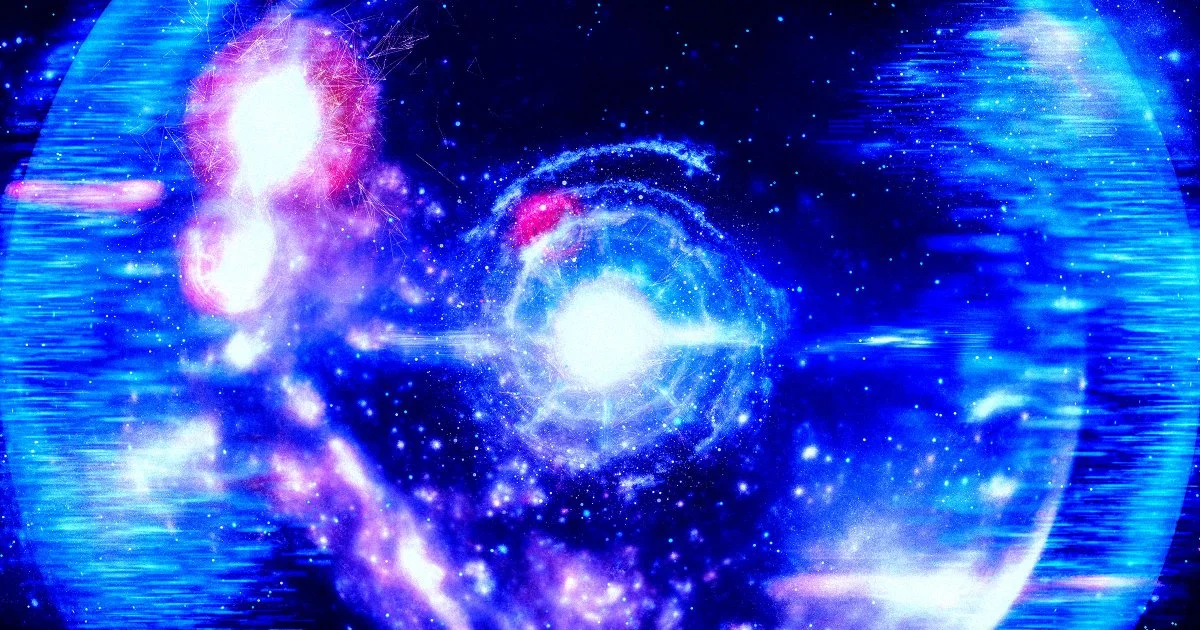
For a quarter-century, the accelerating expansion of the universe—heralded by the faint glow of distant type Ia supernovae—has stood as one of modern science’s most profound discoveries. Yet, a recent analysis from Yonsei University has sent a tremor through the foundations of cosmology, suggesting the cosmic acceleration attributed to dark energy may be a mirage, conjured by subtle shifts in the intrinsic brightness of these stellar explosions. If correct, the universe’s expansion has not been speeding up, but rather slowing down for the last 1.5 billion years, with the possibility of a future “big crunch” looming on the far horizon.
The Supernova Standard Candle: Flickering Certainty
The reliability of type Ia supernovae as “standard candles”—cosmic distance markers whose luminosity is presumed constant—has been a linchpin of the dark energy paradigm since the late 1990s. The Yonsei team, however, contends that this assumption is flawed. Their cross-sectional analysis of nearly 300 host galaxies introduces a crucial variable: the age of the supernova progenitor. As stars age, the properties of their explosive deaths evolve, subtly altering the light curve and peak brightness. By correcting for stellar-age effects, the researchers compress the observed luminosity spread, undermining the case for a cosmological constant-driven acceleration.
This methodological shift, if validated, would force a radical reimagining of the universe’s fate. The reigning ΛCDM (Lambda-Cold Dark Matter) model, which elegantly accommodates dark energy, would have to yield to a decelerating—or even cyclic—framework. Yet, the scientific establishment remains cautious. Pioneers of the original dark energy discovery point to the formidable challenge of precisely dating individual supernovae, emphasizing the need for extraordinary statistical rigor before rewriting the cosmic script.
Data, Instrumentation, and the AI-Driven Observatory Era
The coming years will see the debate play out on an unprecedented scale. The Vera C. Rubin Observatory’s Legacy Survey of Space and Time (LSST) is poised to revolutionize the field, increasing the catalog of type Ia supernovae by two orders of magnitude. This petabyte-scale, time-domain dataset will not only test the Yonsei hypothesis but will also push the limits of global data infrastructure:
- AI-powered anomaly detection will become indispensable for sifting through the deluge, identifying subtle patterns in supernova light curves that might otherwise escape notice.
- Cross-validation from space-based missions—such as Euclid and the Nancy Grace Roman Space Telescope—will provide crucial infrared spectra, enabling more precise age-luminosity corrections.
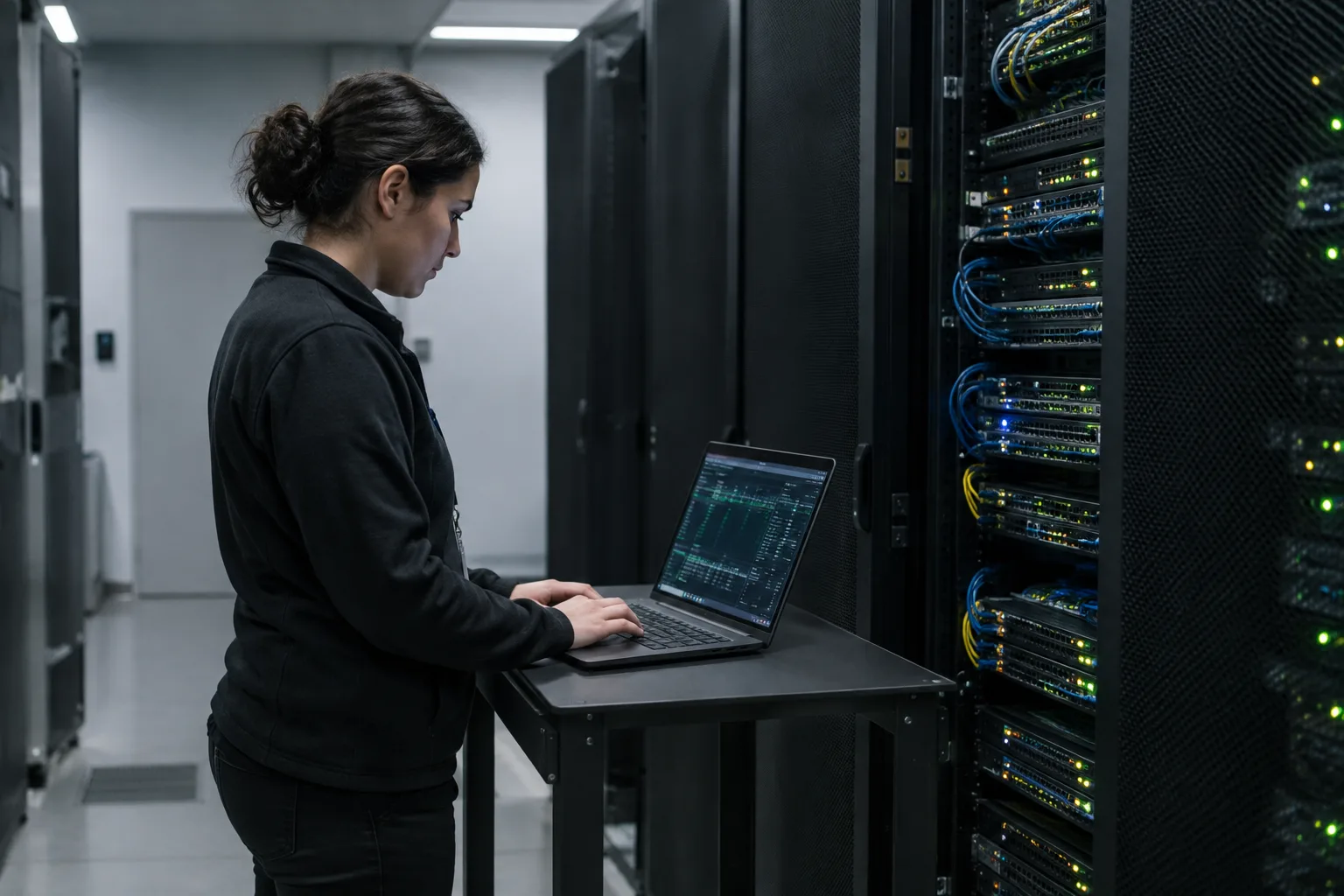
The technological demands are formidable. Cosmology is fast becoming a flagship use case for exascale computing, leveraging heterogeneous architectures that blend CPUs, GPUs, and AI accelerators. Chipmakers and cloud hyperscalers are already positioning themselves for this surge, optimizing for astrophysical workloads that demand both raw throughput and mixed-precision inference.
Meanwhile, the debate over supernova calibration is catalyzing innovation in sensor technology. Detector linearity, quantum efficiency drift, and in-situ aging corrections are now frontiers not only for astronomy but for Earth observation and defense imaging, with next-generation CCD and CMOS roadmaps benefiting from the heightened scrutiny.
Industry, Economics, and the Strategic Stakes of Cosmic Uncertainty
The implications of this cosmological inflection point extend well beyond academia. Should the dark energy paradigm falter, global research funding priorities could shift dramatically, redirecting billions from vacuum energy studies to the messy, baryonic processes of galaxy evolution. National science strategies and the competitive positioning of research institutions would be upended, as would the narrative frameworks underpinning the private space sector’s long-horizon investment theses.
A few key dynamics are already in play:
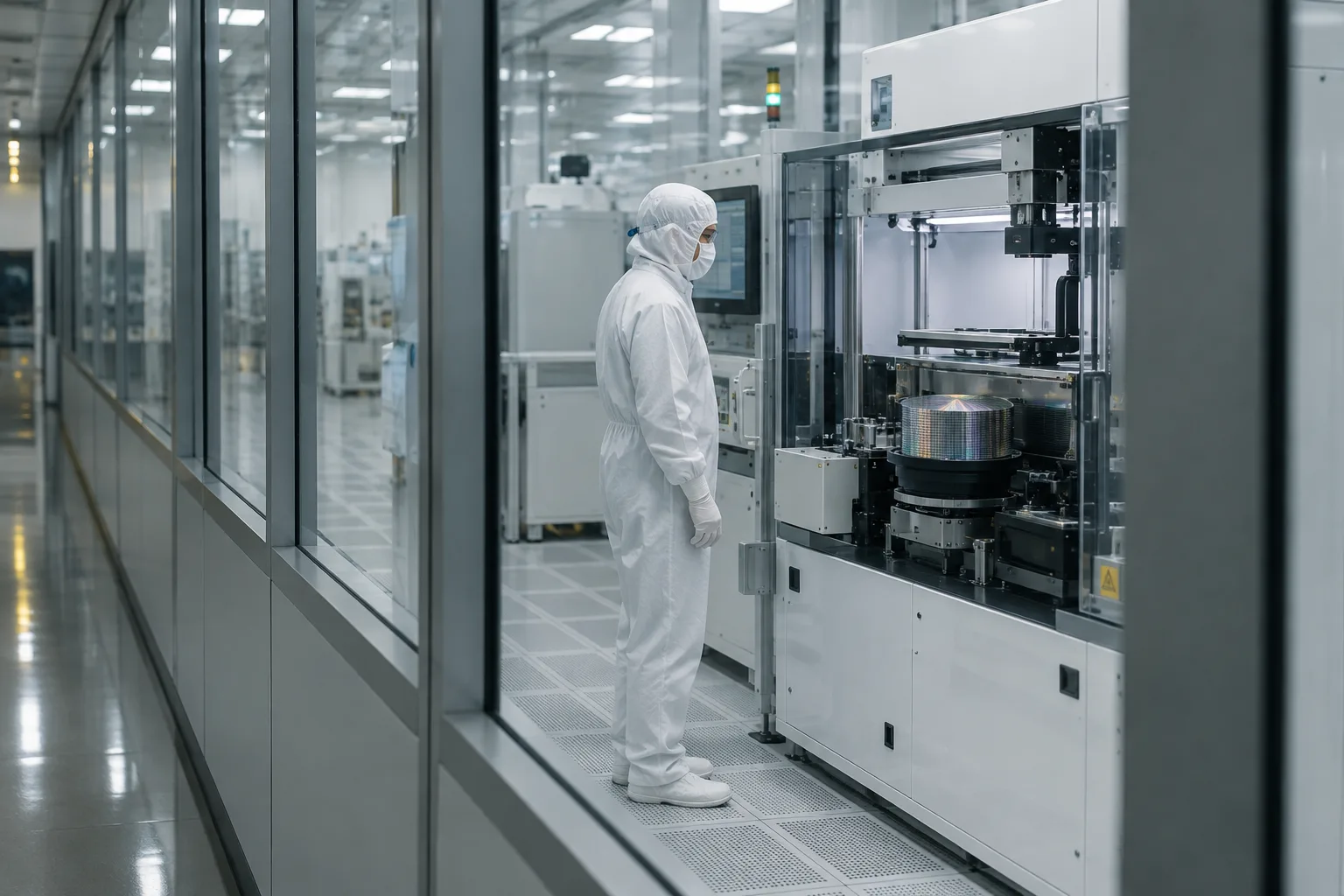
- Semiconductor demand: The astronomical data deluge is underwriting a structural demand floor for advanced lithography and memory, reinforcing capital expenditure momentum even amid cyclical headwinds.
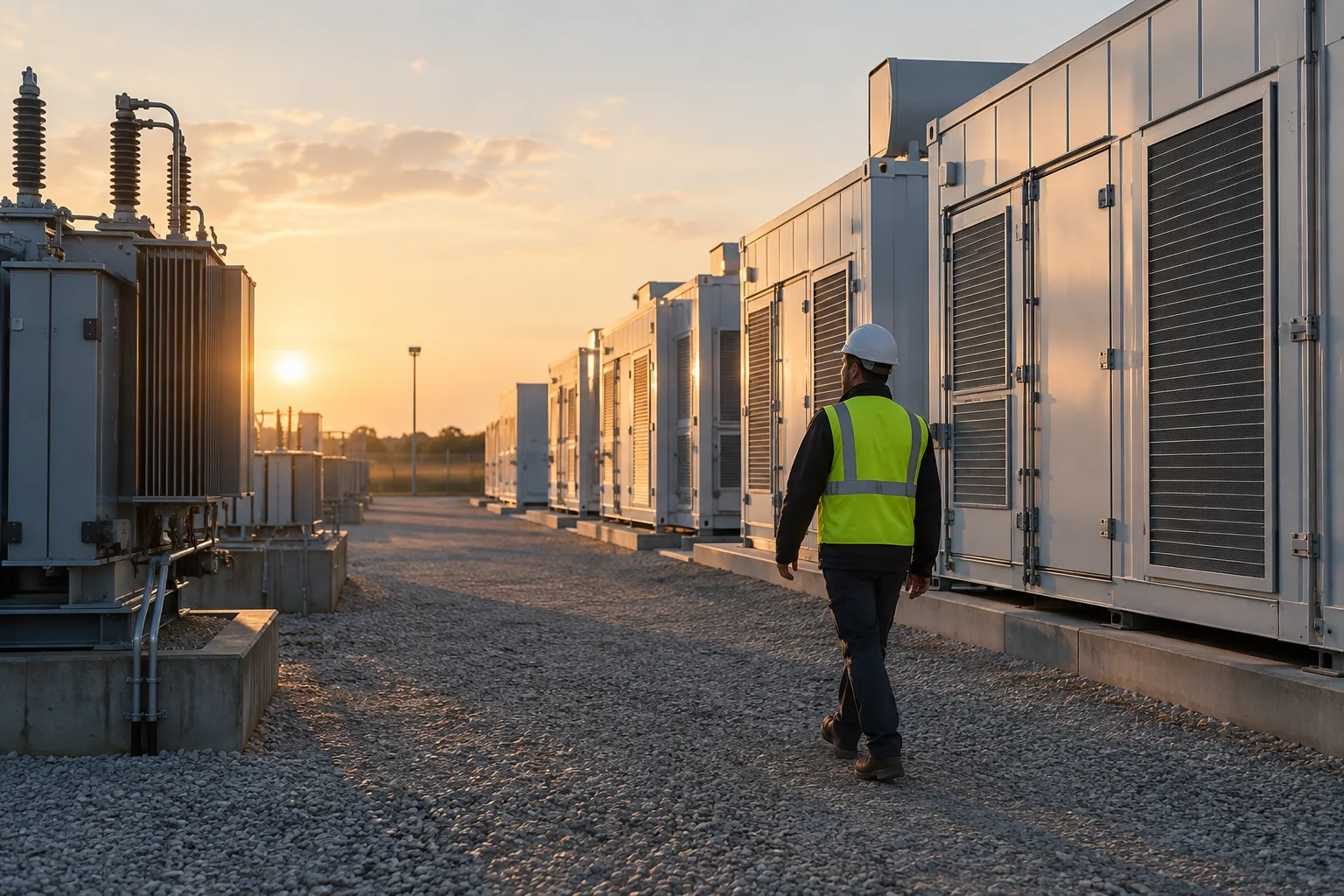
- Geopolitics of observatories: The Rubin Observatory’s Chilean perch is a case study in the delicate balance of atmospheric advantage, political stability, and data sovereignty—a calculus that will shape future investments in neutrino, gravitational-wave, and radio astronomy.
- Model-risk governance: The revelation that a single unmodeled variable—stellar age—can invert a cosmological conclusion has profound resonance for AI-driven industries. Expect a surge in formal uncertainty quantification and explainability frameworks, mirroring the methodological rigor now demanded in astrophysics.
For forward-looking organizations, the strategic recommendations are clear: maintain investment optionality until the LSST data arrives; institutionalize model-risk councils to mirror the adversarial review processes of the scientific community; and prioritize enabling technologies—data orchestration, high-bandwidth interconnects, and edge-AI firmware—that will accrue value regardless of which cosmological model prevails.
The Yonsei University paper is not merely an academic provocation; it is a live experiment in how swiftly data, instrumentation, and analytics can overturn—or entrench—multi-billion-dollar scientific convictions. As the next generation of sky surveys comes online, the world will watch not only for answers about the fate of the cosmos, but for lessons in the ever-evolving interplay between science, technology, and industry.

 By
By
 By
By

 By
By


 By
By
 By
By