
The High-Wire Act: OpenAI’s Grand AI Ambitions and the New Economics of Intelligence
OpenAI’s latest disclosures offer a rare, unvarnished look at the tectonic shifts underway in the artificial intelligence landscape. The company’s $11.5 billion quarterly loss—set against a backdrop of relentless infrastructure build-out and a user base that remains overwhelmingly free—signals an industry at a crossroads, where the pursuit of Artificial General Intelligence (AGI) collides headlong with the realities of capital, compute, and competition. The stakes are not merely financial; they are existential, for both the firm and the broader AI ecosystem.
The Physics of Progress: Compute, Capital, and the New Scarcity
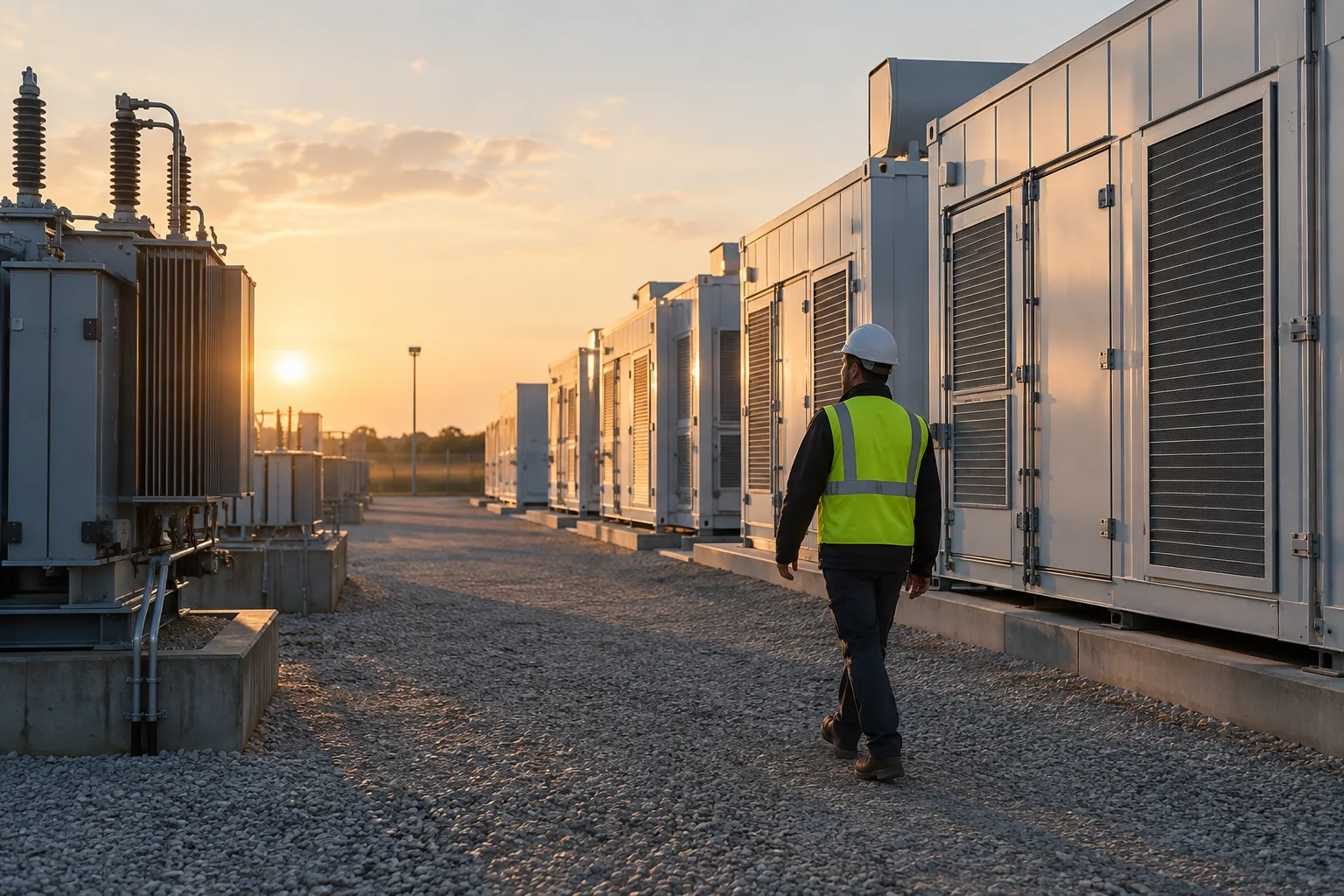
In the age of generative AI, the bottleneck is no longer clever code but the physical substrate of intelligence: GPUs, custom accelerators, and the megawatt-hungry data centers that house them. OpenAI’s $1.4 trillion in forward spending commitments—spanning hardware, cloud credits, and long-term power agreements—heralds a new era where AI development resembles the capital intensity of semiconductor fabrication or utility infrastructure more than traditional software.
This paradigm shift upends the old logic of software margins. Each incremental advance in model complexity, such as GPT-4o, brings with it a steep rise in inference costs. Yet, only a slender 5% of OpenAI’s 800 million ChatGPT users have opted for paid tiers, underscoring a classic SaaS conundrum: high marginal costs meet low consumer price elasticity. As open-source models like Llama-3 and Mixtral proliferate, price ceilings are compressed further, forcing OpenAI and its peers to climb the value chain—building custom agents, voice interfaces, and productivity plug-ins where switching costs and enterprise stickiness are higher.
The Capex Super-Cycle: Market Structure and Strategic Fault Lines
The economic context for this AI arms race is unforgiving. Gone are the days of near-zero interest rates that fueled “growth at any cost.” Every new GPU rack now carries a capital cost that demands clear monetization milestones. OpenAI’s deep alliance with Microsoft, which absorbs much of the depreciation for Azure’s GPU clusters, further muddies the waters for traditional financial analysis. This symbiotic relationship blurs the lines between cloud vendor and model provider, complicating valuation and masking the true economics of AI infrastructure.
For enterprise buyers, this volatility translates into a new calculus of risk:
- Negotiate Predictable Pricing: With compute costs in flux, multi-year, fixed-price agreements with audit rights become essential hedges.
- Diversify Model Sourcing: Piloting open-source and specialized vertical models can mitigate dependency on a single, frontier vendor.
Meanwhile, the semiconductor and cloud ecosystem faces its own bullwhip effect: a surge in GPU orders today could give way to oversupply if AI monetization fails to keep pace. Power markets, too, are being reshaped, as data-center demand becomes a credible anchor for renewable energy development—potentially pricing compute in tokens per kilowatt hour.
Macro Currents: Systemic Risk, Industrial Policy, and Carbon-Aware AI
The concentration of AI infrastructure among a handful of hyperscalers has begun to echo the systemic risk dynamics of global banking. Calls for regulatory oversight—stress-testing large model providers for concentration, bias, and energy security—are no longer hypothetical. Governments, recognizing the strategic value of frontier AI, are mobilizing subsidies, export controls, and public-private partnerships to shape the competitive landscape.
Carbon intensity, once a footnote, is emerging as a key pricing variable. As model sizes balloon, early adopters of emissions-linked service-level agreements may secure both reputational and compliance advantages.
Scenarios on the Horizon: Monetization, Commoditization, and Regulatory Shock
The next chapter in AI’s evolution is unwritten, but several scenarios loom:
- Sustained Monetization: If enterprise adoption and agent workflows drive durable revenue growth, OpenAI could echo the early trajectory of AWS—high upfront losses yielding to operating leverage as infrastructure is amortized.
- Commoditization Squeeze: Should open-source and smaller-scale models satisfy most enterprise needs, price deflation may outpace volume growth, forcing incumbents to pivot toward application-layer dominance or sovereign deployments.
- Regulatory Shock: New rules around data, explainability, or antitrust could slow revenue and strand long-term compute contracts, reminiscent of the early 2000s fiber-optic glut.
The imperative is clear: AI model providers must link every incremental teraflop to a monetizable workflow, enterprises must benchmark vendors on both compute efficiency and carbon footprint, and investors must rethink valuation frameworks through a lens attuned to compute-adjusted growth rates.
As OpenAI’s audacious vision collides with the hard edges of economics and infrastructure, the entire industry stands at an inflection point. Whether the generative AI cost curve can bend to justify its capital velocity—or whether a more disciplined, infrastructure-aware growth model will prevail—remains the defining question of this technological epoch.

 By
By
 By
By

 By
By
 By
By


 By
By