


Black Friday’s Early Arrival: The New Economics of Premium Audio and Holiday Retail
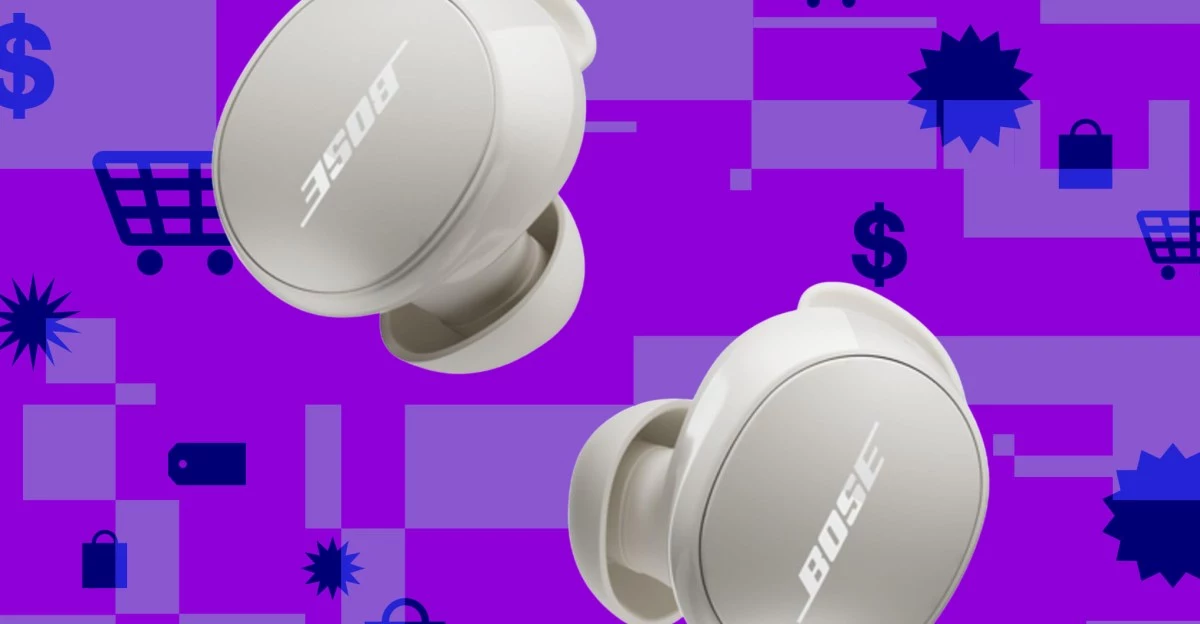
In a year marked by economic headwinds and shifting consumer appetites, the early eruption of Black Friday promotions at Amazon, Walmart, and Best Buy signals more than a mere calendar adjustment—it’s a recalibration of the consumer-electronics playbook. The centerpiece: Bose’s QuietComfort series, with discounts so steep they border on audacious. The second-generation QuietComfort Earbuds, now at $129 (a 28% markdown), and the QuietComfort Headphones at $199 (down 44%), headline a wave of deals that extend well beyond audio, encompassing gaming peripherals, wearables, and even licensed Lego sets. This is not just about enticing shoppers; it’s a window into the technological, economic, and strategic forces reshaping the retail landscape.
The Technological Undercurrents: From Feature Diffusion to Ecosystem Ambitions
The commoditization of what was once rarefied technology is on full display. Bose’s willingness to discount last-generation ANC models underscores a broader industry trend: features like multipoint Bluetooth connectivity, customizable EQ via apps, and support for high bit-rate codecs such as aptX Adaptive are no longer the exclusive province of $400 flagships. Instead, they’re filtering rapidly into the mid-tier, accelerating the pace at which yesterday’s luxuries become today’s expectations.
- Multipoint and Codec Proliferation: The inclusion of aptX Adaptive in discounted Bose SKUs is a subtle but significant signal. Qualcomm’s codec is gaining ground, reinforcing its post-smartphone ambitions and quietly pressuring Apple’s hold on the wireless audio ecosystem. This shift is not just about sound quality—it’s about interoperability, latency, and the future of spatial audio.
- Battery and Processing Gains: Claims of 24-hour battery life for over-ears and 8+ hours for earbuds with ANC enabled are more than marketing fodder. They reflect incremental but vital advances in low-power DSPs and lithium-polymer cell chemistry, crucial as formats like LE Audio and spatial rendering demand ever more processing muscle.
- Wearables as Remote Controls: Secondary features—like earbuds doubling as smartphone camera shutters—hint at a future where audio devices become nodes in a broader personal-area network, foreshadowing BLE-based remote-control applications that could extend into AR glasses or fitness wearables.
Retail Tactics and Inventory Gamesmanship: Navigating the Price-Sensitive Consumer
Behind the headline-grabbing discounts lies a more nuanced story of inventory management and economic adaptation. U.S. retailers, facing a landscape of tepid real income growth and rising credit-card delinquencies, are pulling promotional levers earlier than ever to lock in consumer spend before sentiment sours further.
- Inflation-Adjusted Demand Shaping: The early cadence of deals is a hedge against macroeconomic uncertainty. Retailers are leveraging price elasticity to drive volume, offsetting margin compression with buy-now-pay-later options and vendor rebates from brands like Bose, eager to maintain shelf presence against Apple, Sony, and upstart disruptors.
- Inventory Risk Mitigation: After last year’s overestimation of demand, consumer-electronics retailers entered the back half of 2023 with excess stock. Aggressive markdowns are as much about clearing warehouse space as they are about winning the holiday dollar, especially with logistics surcharges looming and shipping windows potentially shortened by labor constraints.
- Cross-Category Bundling: The strategic pairing of audio products with gaming controllers or wearables is more than a basket-size play; it’s a recognition that the boundaries between entertainment, productivity, and wellness are blurring, and that consumers are increasingly seeking integrated experiences.
Strategic Signals and the Road Ahead: What’s Next for Audio, Retail, and Tech Ecosystems
The current wave of promotions is not just a tactical maneuver—it’s a prelude to deeper shifts in the competitive and technological landscape.
- Bose’s Segmentation Bet: By discounting legacy models while holding the line on its newest flagships, Bose is testing a “barbell” strategy: maintaining premium cachet at the top end while defending volume against aggressive mid-tier rivals. This channel-clearing sets the stage for a 2024 refresh, likely to feature LE Audio, lossless transmission, or AI-driven adaptive EQ.
- Component and App Ecosystem Expansion: The spread of codec-rich, multipoint devices enlarges the addressable market for companion apps and firmware-delivered features, from spatial audio to wellness content. This, in turn, boosts demand for Bluetooth silicon at mature process nodes, indirectly easing pressure on cutting-edge fabs dominated by smartphone SoCs.
- Competitive Ripples: Expect Sony and Apple to time their own markdowns and bundles tactically—Sony likely post-Cyber Monday, Apple only selectively. Samsung, meanwhile, is poised to tie its Galaxy Buds 3 to the upcoming S24 launch, using aggressive bundling to blunt Bose’s momentum.
For manufacturers, the message is clear: accelerate readiness for LE Audio and invest in features that deepen ecosystem stickiness before price erosion becomes inescapable. Retailers, meanwhile, have an opportunity to create differentiated value through smart bundling and cross-category promotions. And for procurement teams, now is the moment to negotiate, leveraging channel overstock for below-cycle pricing on mid-tier ANC devices.
The early Black Friday blitz is more than a shopping event—it’s a bellwether for how technology, economics, and strategy are converging to redefine the contours of consumer electronics retail. The winners will be those who read these signals early, adapt with agility, and deliver experiences that resonate long after the discounts have faded.


 By
By
 By
By
 By
By

 By
By
 By
By
 By
By







