
The High-Stakes Collision of Talent, Technology, and Policy in Tesla’s Labor Lawsuit
The latest legal challenge facing Tesla—a lawsuit alleging systematic preference for H-1B visa holders over U.S. citizens—lands at a critical inflection point for both the company and the broader American technology sector. While the immediate headlines swirl around claims of discriminatory hiring and cost-driven labor practices, the deeper currents reveal a far more consequential struggle: the intersection of advanced manufacturing’s insatiable demand for specialized talent, the politicization of high-skilled immigration, and the relentless economic pressures of the global EV marketplace.
Scarcity of Elite Skills Amid Margin Squeeze
At the heart of the dispute is a stark labor market reality. Tesla’s ambitions in autonomy and electrification hinge on a narrow band of technical expertise—L4/L5 autonomy engineering, functional safety, advanced battery analytics—where domestic supply has failed to keep pace with surging demand. U.S. STEM graduation rates, growing at a modest 2.5% annually, lag far behind the 6%+ growth in corporate need. This imbalance forces companies to tap global talent pools, leveraging the H-1B visa system and remote work models to fill critical gaps.
Yet, as Tesla’s gross margins dip below 20% for the first time in years—pressured by price wars with BYD and legacy automakers—labor costs become one of the few remaining levers for preserving profitability. The lawsuit’s empirical core is telling: 6,000 U.S. layoffs in 2023 versus 1,355 H-1B hires. Plaintiffs allege that this is no coincidence, but rather a deliberate strategy to arbitrage wage differentials, raising the specter of systemic discrimination.
- Wage Structure Risk: Should the litigation escalate to a class-action, retroactive wage equalization could add 30–50 basis points to unit labor costs, threatening the very margins Tesla seeks to defend.
- Recruiting Signal Risk: The perception of bias against domestic engineers may deter top U.S. graduates, who now have abundant opportunities in AI start-ups, defense tech, and clean energy—sectors buoyed by Inflation Reduction Act funding.
Political and Regulatory Crosswinds
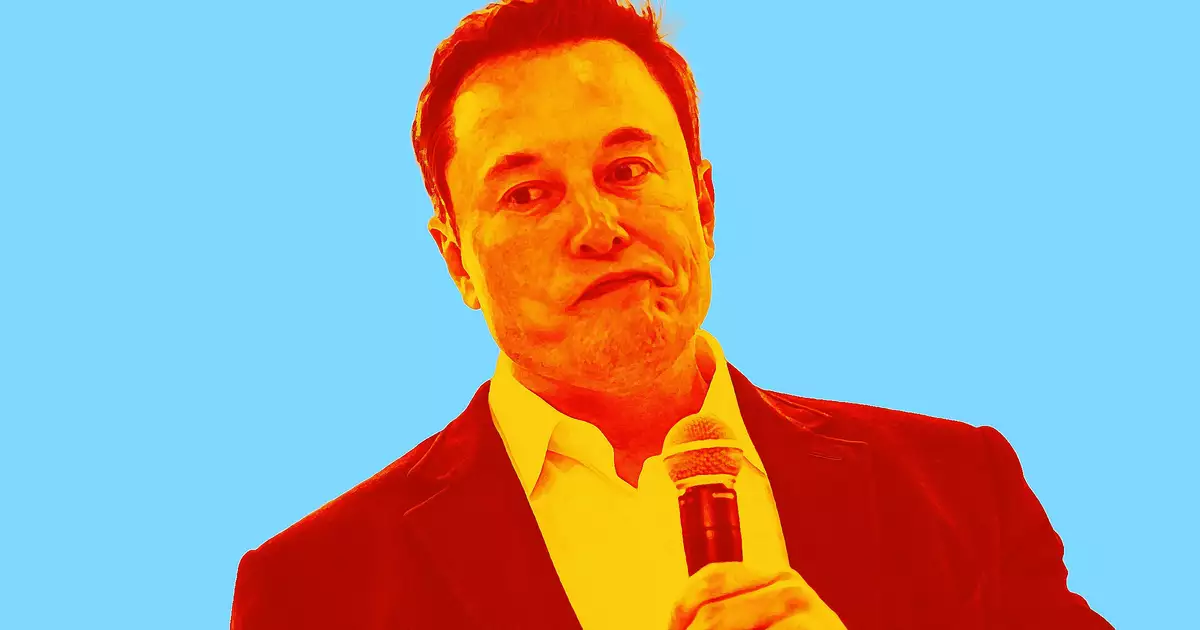
The lawsuit’s reverberations extend well beyond Tesla’s HR department. The case arrives as the 2024 U.S. election cycle amplifies tech-labor populism and bipartisan skepticism of Big Tech’s dominance. Elon Musk’s own immigration narrative—once a testament to the American dream—now collides with his public alignment to selective anti-immigration rhetoric, heightening reputational exposure.
Regulatory scrutiny is intensifying on multiple fronts:
- Department of Labor Audits: Ongoing investigations into prevailing-wage compliance could dovetail with the lawsuit, expanding into the realm of hiring algorithms and potential AI-driven bias.
- Congressional Appetite for Reform: Proposals to restrict or increase the cost of H-1B visas, including auction-based pricing, threaten to retroactively inflate labor budgets not just at Tesla, but across semiconductor, cloud, and biotech industries.
- Unionization Momentum: The United Auto Workers’ “EV organizing campaign” is poised to leverage the lawsuit as a rallying point, increasing labor-relations complexity for non-union plants in Texas and Nevada.
Meanwhile, global competitors are moving swiftly. China, for instance, is fast-tracking global AI talent into its EV clusters, such as Shanghai’s Lingang Free Trade Zone, exploiting the very talent throttling that U.S. firms now face.
Strategic and Technological Ripples Across Industry
The timing could not be more precarious for Tesla’s technological roadmap. The company’s robotaxi and Full Self-Driving initiatives depend on elite neural-net, vision, and safety-certification engineers. Protracted legal battles, onboarding delays, and reputational drag risk further slippage of milestones—already under the watchful eye of the National Highway Traffic Safety Administration. This opens the door for rivals, from Waymo and Cruise to Chinese contenders like Pony.ai and AutoX, to seize regulatory and commercial first-mover advantage.
The implications radiate outward:
- ESG Paradox: Tesla’s decarbonization credentials may be offset by social (“S”) violations, prompting ESG funds and passive index investors to reweigh their holdings.
- AI Compliance Spillover: Any findings of algorithmic bias in hiring could set precedent for the EU AI Act and U.S. voluntary AI commitments, forcing recalibration of HR tech stacks sector-wide.
- Cyber-Talent Feedback Loop: If domestic engineers sense diminished prospects in EVs, they may migrate to defense primes, tightening the talent pool for commercial AI projects.
Navigating the Next Phase of Industrial Competition
For executives and policymakers, the Tesla lawsuit is not merely an isolated HR controversy—it is a prism refracting the next phase of U.S. industrial competitiveness. The strategic imperatives are clear:
- Stress-test labor cost models for potential H-1B premium pricing and wage-parity mandates.
- Build cross-functional crisis-response teams to manage ESG-centric litigation narratives.
- Engage policy coalitions to link skilled immigration with national innovation security.
- Audit algorithmic hiring tools for bias, documenting mitigation steps as transparency becomes a license to operate.
As the boundaries between technology, labor, and policy continue to blur, those who treat this moment as an early-warning signal—recalibrating talent pipelines, compliance strategies, and public narratives—will preserve the strategic latitude to shape the future, rather than be shaped by it.


 By
By
 By
By
 By
By
 By
By


 By
By