
The New Face of Workforce Stability: Beneath the Surface of America’s Low Quit Rate
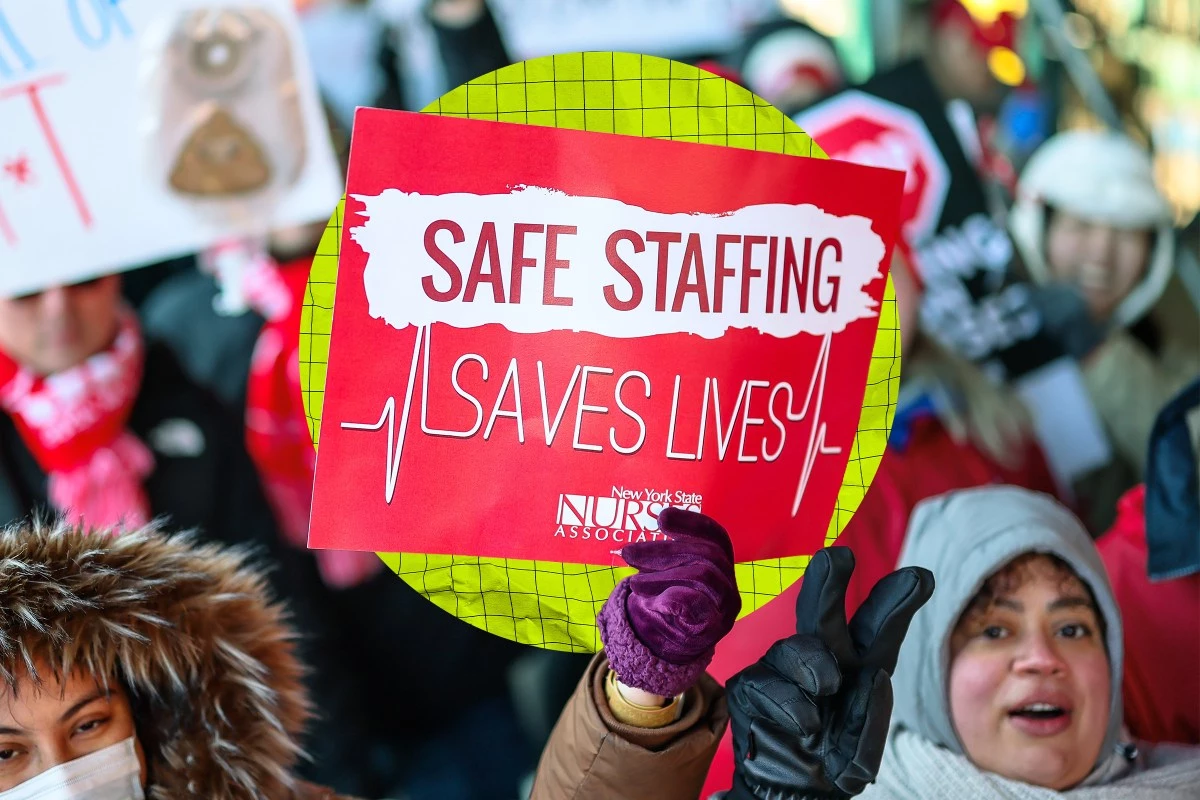
A rare stillness has settled over the American labor market. The national quit rate, now hovering near 2%—its lowest ebb since the pandemic’s early days—signals a collective pause, a moment of introspection after years of workplace upheaval. Yet, beneath this apparent calm, the tectonic plates of corporate strategy and worker psychology are shifting in ways that promise to redefine the future of work, consumption, and capital allocation.
Job-Hugging, Risk-Takers, and the Emerging Segmentation of Talent
The prevailing mood among American workers is one of “job-hugging”—a newfound attachment to occupational stability. With inflation stubbornly persistent, mortgage rates elevated, and student loan repayments resuming, the cost of switching jobs has never felt higher. For most, the calculus is simple: better the devil you know than the uncertainty of the open market.
Yet, paradoxically, the minority who dare to leap—those who exit traditional roles for entrepreneurship, lifestyle optimization, or geographic relocation—capture a disproportionate share of the narrative. Their stories, amplified across media, hint at a future where the labor force is sharply segmented: a broad core clinging to security, and a nimble edge drawn to risk and flexibility. This “extreme segmentation” is already visible in emerging fields such as data science and digital marketing, where entrepreneurial departures threaten to deepen specialized talent shortages.
For employers, this environment offers both opportunity and peril. Lower quit rates may grant temporary leverage in wage negotiations, but the underlying dissatisfaction is merely dormant, poised to resurface with any easing of economic headwinds. Savvy leaders will recognize the need to pre-empt post-uncertainty attrition with refreshed incentives and rapid upskilling pathways.
The Return-to-Office Reckoning and the Rise of Membership Economics
Corporate America, too, is recalibrating. Microsoft’s recent mandate—three days per week onsite—marks a decisive turn in the ongoing debate over hybrid work. As a bellwether among technology giants, Microsoft’s move reflects a growing conviction that the serendipity and velocity of in-person collaboration are irreplaceable for complex product development and cultural cohesion. Internal data—ranging from code check-in rates to design-review cycle times—likely revealed the diminishing returns of prolonged remote work, prompting this strategic pivot.
This shift is not merely about real estate or policy. It signals a broader trend: the rationalization of office portfolios around fewer, higher-amenity campuses, and the deployment of smart-building technologies and AI-driven analytics to optimize workplace experience. The future is a tiered hybrid model—mission-critical roles clustered onsite, while distributed teams handle service functions—mirroring the stratification now permeating consumer markets.
Consider Costco’s pilot of exclusive shopping hours for Executive members. This experiment in tiered access is emblematic of a wider “membership logic” that is migrating from retail to the workplace. Just as airlines and streaming platforms differentiate experiences to drive margin, enterprises are poised to offer differentiated benefits, learning budgets, and scheduling autonomy to their top performers. The era of one-size-fits-all employment is fading, replaced by internal segmentation and data-driven personalization.
Capital on the Move: Texas, Tax Arbitrage, and the New Geography of Growth
As labor and consumer markets stratify, capital is in motion. Wall Street’s intensifying expansion in Texas is more than a search for tax relief; it is a bet on a pro-business regulatory climate, affordable real estate, and a burgeoning tech talent pool. The implications are profound: lower cost structures in Texas enhance banks’ competitiveness in fee-compressed sectors such as digital payments and retail brokerage, where every basis point of savings translates directly to return on equity.
Yet, this geographic arbitrage is not without risk. Rapid inflows of financial and technological capital strain local infrastructure, from energy grids to digital connectivity. The potential for a bifurcated corporate culture—coastal headquarters versus Sunbelt operations—looms large unless leaders invest in deliberate cultural integration and robust digital infrastructure.
Strategic Priorities for the Post-Experimentation Era
For decision-makers, the message is clear: the pandemic’s era of generalized digital experimentation is giving way to a more selective, cost-disciplined, and membership-oriented economy. Success will hinge on:
- Codifying role-based presence and leveraging AI-driven productivity metrics to justify future workplace policies.
- Proactively redesigning incentive schemes to hedge against latent attrition.
- Evaluating geographic expansions through the lens of ESG, infrastructure resilience, and political stability—not just tax arbitrage.
- Designing modular, tiered offerings that let customers and employees self-select their level of engagement and benefits.
- Investing in innovation at the intersection of physical and digital realms, from smart warehouses to generative AI-augmented services.
The surface tranquility of today’s labor market belies a deeper, more dynamic realignment. Those who treat this stability as a foundation for targeted innovation and agile capital deployment—not as an endpoint—will shape the contours of the next American business cycle.
 By
By
 By
By
 By
By

 By
By
 By
By
 By
By
 By
By