
From Command Posts to Kitchen Tables: The Hidden Economics of Household Leadership
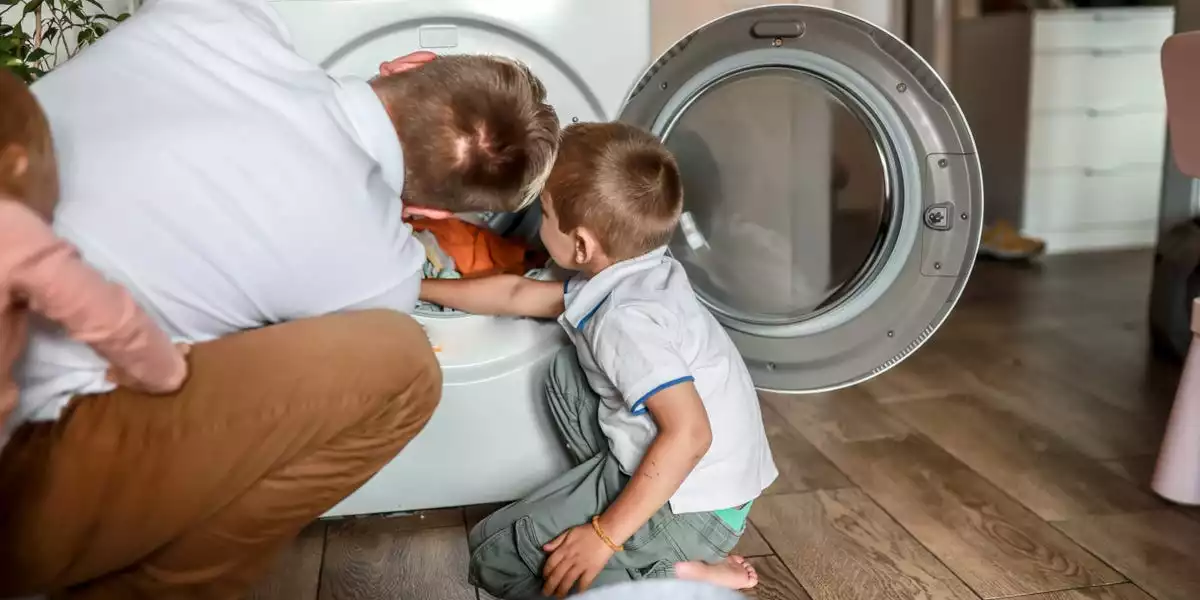
In the quiet corridors of domestic life, a revolution is underway—one that recasts the home not as a passive sphere of unpaid labor, but as a dynamic command center, brimming with operational sophistication. At the heart of this transformation is a narrative both personal and emblematic: a medically retired firefighter, once accustomed to the rigors of emergency response, now navigates the equally high-stakes world of full-time caregiving. His story is more than a tale of personal adaptation; it is a lens through which we glimpse the future of the care economy, skill migration, and the subtle recalibration of value in our society.
The Unseen Value of Domestic Operations
The economic weight of unpaid caregiving is staggering—McKinsey pegs it at nearly 9% of global GDP, a figure that eclipses the output of entire industries. Yet, this value remains largely invisible, folded into the daily routines of millions. What the firefighter-turned-caregiver reveals is that the very disciplines honed in crisis—triage, rapid decision-making, pattern recognition, and self-care—are not only portable, but essential to the home’s smooth functioning.
This portability is being recognized in boardrooms and policy circles alike. As dual-income households become the norm and populations age, institutional investors are eyeing the “shadow” care market for opportunities to drive efficiency and monetize what has long been considered women’s work. The shifting gender dynamics—male primary caregivers, though still a minority, are on the rise—signal deeper changes in labor participation, consumer behavior, and even the architecture of HR policies. Parental leave parity and flexible scheduling are no longer perks, but strategic imperatives.
Technology’s Quiet Infiltration of the Home Front
The operational playbook of the modern household increasingly mirrors that of high-performing organizations. The manual task triage once scribbled on notepads now finds its digital counterpart in SaaS productivity tools—Kanban boards, AI-driven scheduling, and priority matrices. The home, once a technological afterthought, is emerging as a fertile ground for innovation:
- Home-Ops Platforms: Expect the rise of consumer-facing orchestration tools that integrate IoT data (think smart fridges and connected appliances), AI-powered meal planning, and dynamic family scheduling. Enterprise workflow vendors may soon find their next growth engine in the living room.
- Analytics for Everyday Efficiency: Waste-tracking at home is not unlike supply-chain analytics in business. Households, as micro-logistics nodes, generate data ripe for optimization—opening new service layers for grocers, insurers, and utilities.
- Digital Self-Care: The emphasis on caregiver well-being dovetails with the booming market for mental health and wellness apps. Tailored modules for caregivers represent a promising, underexplored niche.
Strategic Levers for the Next Economy
The implications for executives and policymakers are profound and multifaceted. As caregiving migrates from the margins to the mainstream, several non-obvious connections demand attention:
- Leadership Development: The resilience and adaptive leadership cultivated in the home are assets waiting to be tapped. Certification frameworks that translate domestic “incident command” into recognized managerial credits could diversify and strengthen talent pipelines.
- ESG and Social Capital: As regulators debate the valuation of social capital, quantifying support for employees’ caregiving responsibilities may soon become a material disclosure item—an ESG metric with real teeth.
- Insurance and Risk Management: Households that demonstrate proactive routines and reduced waste may see lower insurance claims, enabling personalized premiums and smarter underwriting.
- Workforce Redeployment: As AI and automation displace certain frontline roles, facilitating transitions into the care sector—mirroring the firefighter-to-parent trajectory—could become both a social and business imperative.
The Household as a Strategic Frontier
The convergence of smart-home hardware, AI scheduling, and micro-payments is poised to create “domestic command centers”—holistic, tech-enabled platforms that redefine how households operate. Early-stage venture capital is already watching for B2C adaptations of enterprise orchestration tools, while forward-thinking employers pilot “Caregiver Skill Badging” and dynamic rostering to accommodate fluctuating caregiver duties.
As governments sharpen their accounting of unpaid labor, tax credits and social benefits will likely be rewritten, with corporations that preemptively align their benefits capturing regulatory goodwill. Meanwhile, brands that authentically engage with the rising demographic of male caregivers can unlock new markets and rewrite stale narratives.
The micro-story of a firefighter’s transition to caregiving is, in truth, a macro signal. The operational rigor of household management is no longer peripheral—it is central to the next wave of innovation, labor reallocation, and ESG differentiation. Those enterprises and investors who recognize and support this shift will not only capture social capital, but also secure a durable economic advantage in the care-driven economy of tomorrow.

 By
By
 By
By
 By
By
 By
By

 By
By

 By
By