
Turbulence, Evacuations, and the New Frontiers of Aviation Risk
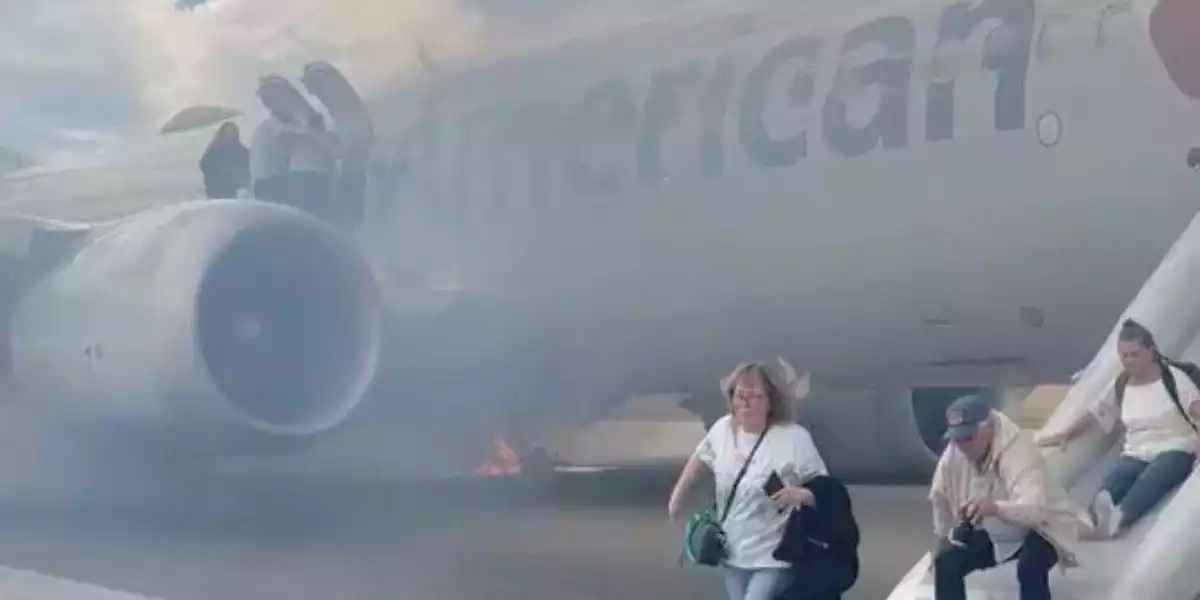
A pair of recent U.S. airline incidents—one a harrowing encounter with severe mid-air turbulence on a Delta flight, the other a chaotic American Airlines evacuation impeded by passengers retrieving carry-ons—have thrust aviation’s evolving risk landscape into sharp relief. Though both events ended without loss of life, they have exposed a convergence of operational, technological, and human-factor vulnerabilities that demand urgent, systemic attention. In an era where climate volatility and safety culture are under the microscope, these episodes serve as a clarion call for innovation and reform across the aviation ecosystem.
Climate-Driven Turbulence: The Invisible Threat Above
The skies are growing rougher. A 55% surge in severe turbulence over the North Atlantic since 1979 underscores the inadequacy of legacy radar-based detection systems, which remain largely blind to clear-air turbulence—the kind that strikes without warning, often at cruising altitude. For airlines, this is no longer a statistical anomaly but an operational certainty, and the consequences are significant:
- Operational Disruption: Each turbulence-induced diversion can cost carriers between $200,000 and $500,000, factoring in fuel, crew overtime, and passenger re-accommodation.
- Insurance Repercussions: Insurers, under frameworks like IFRS 17, are recalibrating premiums to reflect route-specific turbulence risk, incentivizing the adoption of predictive technologies.
The technological response is gathering momentum. Advanced sensor fusion—combining satellite-borne lidar, crowdsourced aircraft telemetry, and AI-powered predictive analytics—is transitioning from the research lab to the cockpit. Airlines are now poised to integrate next-generation turbulence APIs directly into flight-planning and real-time decision systems, transforming turbulence forecasting from a probabilistic art into a data-driven science.
This shift is not merely about detection. Cabin safety technologies are evolving in tandem. Injuries during turbulence overwhelmingly affect unbelted passengers, prompting a wave of innovation in seat-occupancy sensors and cabin-wide alert systems. These “active safety” features, capable of autonomously tightening seatbelts or escalating crew alerts, promise not only to reduce injuries but also to differentiate carriers in a fiercely competitive market.
Human Factors: The Persistent Challenge on the Ground
If turbulence is the invisible adversary in the air, human behavior remains the stubborn variable on the ground. The Denver evacuation incident, where passengers delayed egress to retrieve overhead bags, highlights a persistent gap between safety protocols and real-world compliance. Traditional pre-flight briefings, despite their ubiquity, have proven insufficient to overcome ingrained cognitive biases—normalcy bias, possession attachment—that surface under stress.
Airlines are now exploring behavioral engineering strategies reminiscent of fintech’s approach to user engagement:
- Personalized Safety Nudges: Push-notification-based safety modules, delivered via passenger apps and linked to loyalty incentives, aim to increase engagement and compliance.
- Smart Cabin Interventions: Technologies such as electric-latch overhead bins and dynamic lighting systems could physically deter non-compliance, while biometric cabin counts feed real-time evacuation analytics.
Regulators, too, are being forced to adapt. The FAA’s 90-second evacuation rule, designed for a different era of aircraft design and passenger behavior, is under scrutiny as modern twin-aisle jets and expanded carry-on allowances stretch its assumptions. A regulatory pivot toward certifying human-factor resilience—mirroring reforms seen in cockpit alerting systems—appears increasingly likely.
Strategic Imperatives: Safety as a Competitive and ESG Differentiator
The intersection of climate risk, technology, and human behavior is redrawing the aviation industry’s strategic map. Airlines that treat safety not as a compliance exercise but as a source of competitive advantage are positioned to lead in this new environment. Consider the following imperatives:
- Data-First Safety Architecture: Integrating real-time turbulence analytics into both flight operations and passenger-facing platforms transforms safety into a proactive, data-driven service.
- Behavioral Tech Stack: Investments in cabin IoT and human-factors software—such as gamified safety briefings and sensor-verified seatbelt compliance—are yielding measurable gains in passenger safety.
- Baggage Policy Innovation: Dynamic pricing models that incentivize checked baggage can reduce in-cabin carry-on volume, streamlining evacuations and aligning safety with ancillary revenue streams.
- Climate-Resilience Metrics: Incorporating turbulence and evacuation performance data into sustainability and risk disclosures can attract ESG capital and preempt regulatory intervention.
The ripple effects extend beyond aviation. Weather-intelligence providers are monetizing turbulence data for adjacent sectors—logistics, drone delivery, advanced air mobility—while lessons from automotive safety are informing the next generation of aircraft cabin design. Insurance innovation, such as parametric turbulence coverage, is further incentivizing data sharing and real-time risk management.
Where Aviation Safety Meets Transformation
The convergence of rising turbulence intensity and evacuation inefficiencies is not a passing storm—it is a structural inflection point. For airlines, regulators, and industry partners, the challenge is to reimagine safety as an integrated, technology-enabled, and behaviorally informed discipline. Those who seize this moment—leveraging real-time data, cross-sector collaboration, and a relentless focus on human factors—will not only set new standards for safety but also unlock enduring strategic and financial advantage in the skies ahead.

 By
By
 By
By
 By
By
 By
By
 By
By

 By
By