
Silicon Valley’s 996 Experiment: When AI’s Human Engine Overheats
The latest badge of honor in Silicon Valley’s AI start-up ecosystem is not a breakthrough algorithm, but a borrowed work ethic: the so-called “996” schedule—9 a.m. to 9 p.m., six days a week. Once the subject of heated labor debates in China, 996 has quietly become a litmus test for ambition and grit in U.S. AI ventures. Yet this embrace of relentless hustle is more than a cultural curiosity; it’s a revealing lens into the sector’s capital dynamics, talent bottlenecks, and the paradoxes at the heart of contemporary tech innovation.
Capital’s Impatience Meets Talent’s Limits
AI’s current investment cycle is nothing short of feverish. With over $100 billion deployed this year alone, the sector is awash in capital, but starved for time and talent. The result is a “money-time inversion”: while hardware bottlenecks like GPU shortages slow compute cycles, investors demand ever-faster returns. Founders, caught in the vice, are compressing human cycles instead—demanding more hours, more output, and more sacrifice.
This dynamic is reshaping the very structure of AI start-ups:
- Candidate screening now explicitly probes willingness to endure extended hours.
- Gen-Z engineers, steeped in the mythology of all-nighters and blitz-scaling, are disproportionately opting in.
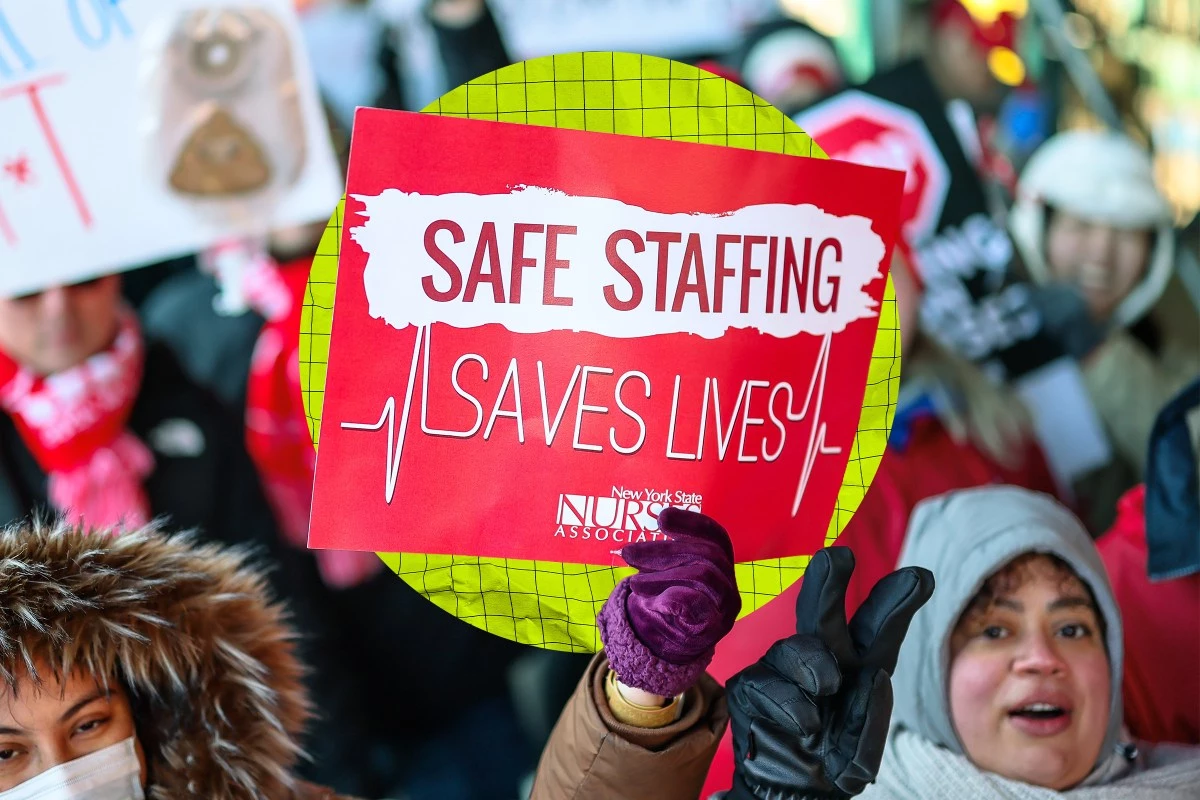
- Women—already just 35% of the U.S. STEM workforce—face heightened exit risk, as caregiving burdens collide with the new norm.
The paradox is glaring: AI’s promise is to automate drudgery, yet its leading firms are fueled by human drudgery, their competitive edge measured not in code quality, but in hours logged.
The Productivity Mirage and the Cost of Overextension
The allure of the 996 model is its apparent velocity. But beneath the surface, the costs accrue—often invisibly, until they become existential.
- Productivity Illusion: Generative AI tools are assumed to counterbalance fatigue, but empirical data shows cognitive performance drops sharply after 55 hours per week. Software can’t patch the errors of an exhausted mind.
- Escalating Burn Rate: Extra weekend labor inflates personnel costs by up to 30% when factoring in healthcare, turnover, and replacement. The very runway that venture capitalists hope to extend is quietly eroded.
- IP Fragility: Overworked engineers introduce more defects, raising cybersecurity and compliance risks—especially as foundation models draw regulatory scrutiny.
The signaling value of 996—“we’ll do whatever it takes”—may impress investors in the short term. But in an era of radical transparency, where platforms like Glassdoor and Blind surface internal sentiment, the downside of publicized burnout can quickly outweigh any perceived edge. Moreover, history suggests that extreme hours yield breakthrough innovation only in small, early-phase teams; at scale, diminishing returns set in, impeding the systematic productization essential for enterprise adoption.
Talent Market Shifts and Regulatory Undercurrents
The labor market for AI expertise is already in disequilibrium. Large Language Model (LLM) specialists are in short supply, and forced overtime risks driving seasoned talent toward hyperscalers or sovereign labs offering premium packages and explicit work-life boundaries. Wage inflation, triggered by extended hours, is creating a bifurcated talent economy: high-burnout start-ups versus stable incumbents, complicating both retention and acquisition strategies.
Diversity, equity, and inclusion (DEI) concerns are intensifying. The disproportionate impact on women intersects with rising ESG disclosure requirements. Funds subject to EU and U.S. human-capital reporting may face portfolio penalties if systemic gender attrition is revealed. Meanwhile, legislative rumblings—like California’s AB 2932 and renewed federal scrutiny—suggest that what is now a cultural debate could soon become a compliance cost.
Navigating the Next Phase: From Burnout to Resilience
The lessons of the late-1990s telecom bubble loom large: workforce overextension often precedes sectoral consolidation. Already, the middle layers of the AI stack—vector databases, model-ops—are showing signs of M&A activity, with unsustainable labor practices accelerating forced sales. At a macro level, the U.S. productivity paradox—soaring tech investment, middling output—may deepen if AI’s flagship firms undermine their own human capital.
For investors, the risks are not just theoretical:
- Hidden operating expenses through health claims and turnover.
- Potential markdowns if negative sentiment becomes a due diligence red flag.
- Counterparty risk for enterprise customers, as overstretched vendors miss SLAs or deliver lower-fidelity models.
The path forward demands a recalibration. Boards should augment traditional KPIs with a “Sustainable Throughput Index,” tracking hours worked, defect rates, and retention. Distributed labor models, leveraging global developer platforms, can match output without individual overload. Investors can codify guardrails—maximum weekly hours, quarterly HR audits—into term sheets, mirroring cybersecurity protocols. And, crucially, AI itself should be harnessed not just for product acceleration, but for workforce stabilization: adaptive scheduling, fatigue prediction, and workload balancing.
The adoption of 996 is not a badge of honor, but a warning flare. The next phase of AI leadership will belong to those who can systematically convert capital and talent into resilient, scalable products—without burning either. In this crucible, trust, inclusivity, and sustainable innovation will emerge as the sector’s true differentiators.

 By
By
 By
By
 By
By
 By
By