
Musk’s Culinary Gambit: Reinventing the Supercharger Stop
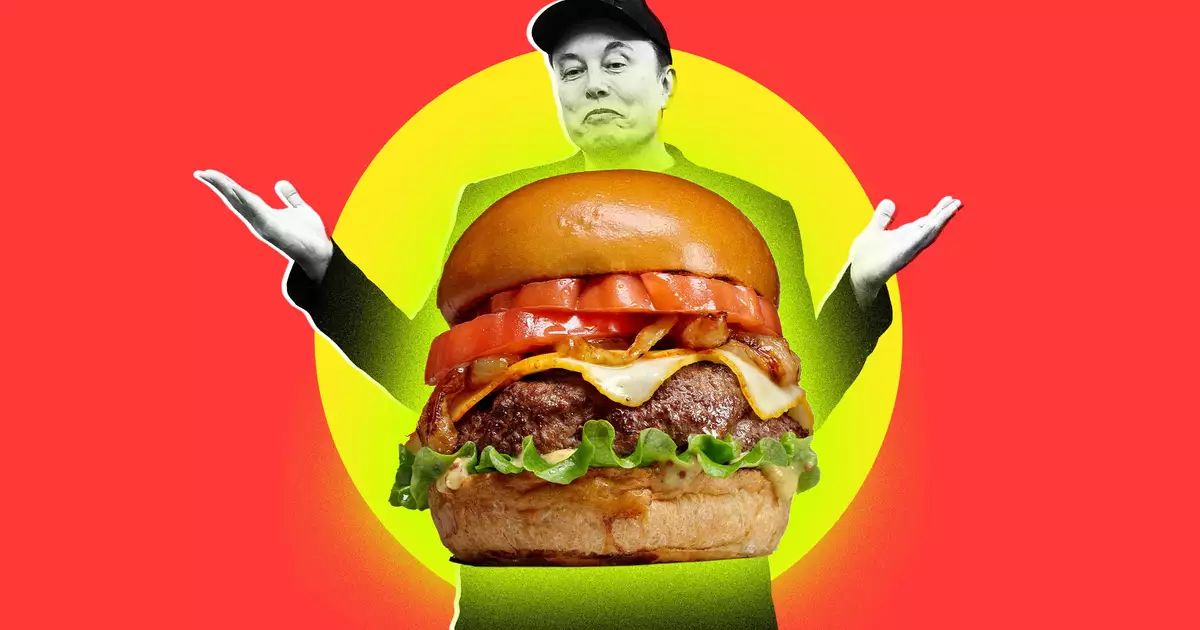
At the bustling intersection of Silicon Valley ambition and Southern California cool, Elon Musk’s latest venture, “Tesla Eats,” has thrown open its doors beside a Santa Monica Supercharger hub. It’s a move that, on its surface, seems almost whimsical—a premium-priced diner, resplendent in futuristic design, serving as a pit stop for Tesla drivers. But beneath the neon-lit veneer lies a calculated experiment in ecosystem engineering, one that seeks to transform the simple act of charging a car into a lifestyle event.
From Charging Station to Branded Destination
Tesla Eats is not merely a restaurant; it’s a strategic extension of the Tesla universe, meticulously crafted to monetize the downtime inherent in the EV charging experience. The rationale is clear:
- Capturing Dwell Time: By offering a curated dining experience, Tesla can turn what was once idle time into a revenue-generating opportunity.
- Reinforcing the Tesla Narrative: The diner, with its merchandise and branded consumables, deepens the brand’s cultural footprint, inviting customers to live the Tesla story beyond the driver’s seat.
- Testing New Revenue Streams: If successful, the model could be replicated across marquee Supercharger locations, transforming each into a high-margin micro-hub.
This is a playbook familiar to tech giants—think Apple’s transformation of retail or Amazon’s foray into physical grocery stores—where the physical environment becomes an extension of digital brand equity. For Tesla, the stakes are heightened by softening vehicle demand and delays in the much-hyped RoboTaxi program, making diversification not just desirable, but necessary.
Operational Complexity and Brand Risk
Yet, the early days of Tesla Eats have revealed the hazards of translating automotive bravado into hospitality excellence. Initial reviews praise the diner’s striking design but lament long waits, uneven service, and entrée prices that soar well above local quick-service benchmarks—$24.50 before sides, a price point that demands perfection but, so far, delivers inconsistency.
The operational challenges are compounded by the diner’s integration with Tesla’s technological ecosystem:
- Site Synergy: The adjacency to Superchargers is no accident; as autonomous fleets emerge, the ability to charge and dine simultaneously could become a competitive moat.
- Sustainable Energy Showcase: The potential for a solar-plus-battery microgrid powering both the chargers and the kitchen transforms the diner into a live demonstration of Tesla Energy’s promise.
- Data Integration: App-based ordering feeds into Tesla’s user profiles, enriching the company’s already formidable data arsenal and opening doors to cross-selling opportunities—from insurance to software upgrades.
But the execution gap is real. In a premium fast-casual landscape dominated by the likes of Shake Shack and Five Guys, where $12–15 tickets are the norm, Tesla Eats’ premium pricing is a bold bet. It risks alienating the practical-minded core of Tesla’s customer base, especially as inflation continues to bite and consumer patience for novelty wears thin.
Strategic Signals and Sectoral Ripples
The implications of Tesla Eats ripple far beyond the confines of a single diner. For investors, the initiative is a microcosm of Musk’s penchant for idiosyncratic bets—a willingness to deploy capital on unconventional ventures even as Tesla’s enterprise value has seen sharp contractions. Each restaurant, with its $3–5 million build-out cost, represents a trade-off: resources that could otherwise accelerate battery line automation or AI compute capacity.
For decision-makers across industries, the experiment offers a trove of actionable insights:
- Replicability: If Tesla can iron out operational kinks, expect a proliferation of branded food hubs at Supercharger sites, setting a precedent for EV infrastructure owners globally.
- Cross-Sector Innovation: Automakers and energy firms may soon explore hospitality ventures, locking customers into broader ecosystems—Volkswagen’s Elli cafes and BP’s pulse lounges are early signals.
- Governance and Focus: Boards must remain vigilant; the allure of lifestyle diversification should not dilute focus from scalable, core business lines.
- Pricing and Inflation Sensitivity: As macroeconomic headwinds gather, dynamic pricing models and operational excellence will be critical to sustaining premium positioning.
- Sustainability Storytelling: Transparent integration of solar, battery storage, and carbon metrics could turn the diner into a persuasive ESG showcase, resonating with regulators and institutional investors alike.
Fabled Sky Research notes that the trajectory of Tesla Eats will serve as a bellwether for the sector, illuminating just how far mobility companies can stretch their brands into lifestyle domains before encountering the hard limits of operational complexity and consumer patience.
Tesla Eats stands as a bold, if precarious, attempt to weaponize brand devotion and physical infrastructure into diversified revenue. Its success or failure will not just shape the future of Tesla’s non-automotive ambitions, but may well redraw the boundaries of what it means to be a mobility company in the age of experiential commerce.

 By
By
 By
By

 By
By


 By
By