
The High-Stakes Theater of Autonomous Mobility: Beyond Musk’s Map and Waymo’s Metrics
The recent verbal jousting between Tesla and Waymo, ignited by Elon Musk’s irreverent map joke, is more than Silicon Valley showmanship—it’s a window into the deeper, existential contest shaping the future of robotaxis. While Twitter theatrics and meme-driven headlines captivate the public, the real drama unfolds in the streets of Austin, where the two companies’ robotaxi pilots reveal a widening chasm in operational maturity, technological philosophy, and regulatory navigation.
Divergent Paths: Scale, Substance, and the Battle for Market Legitimacy
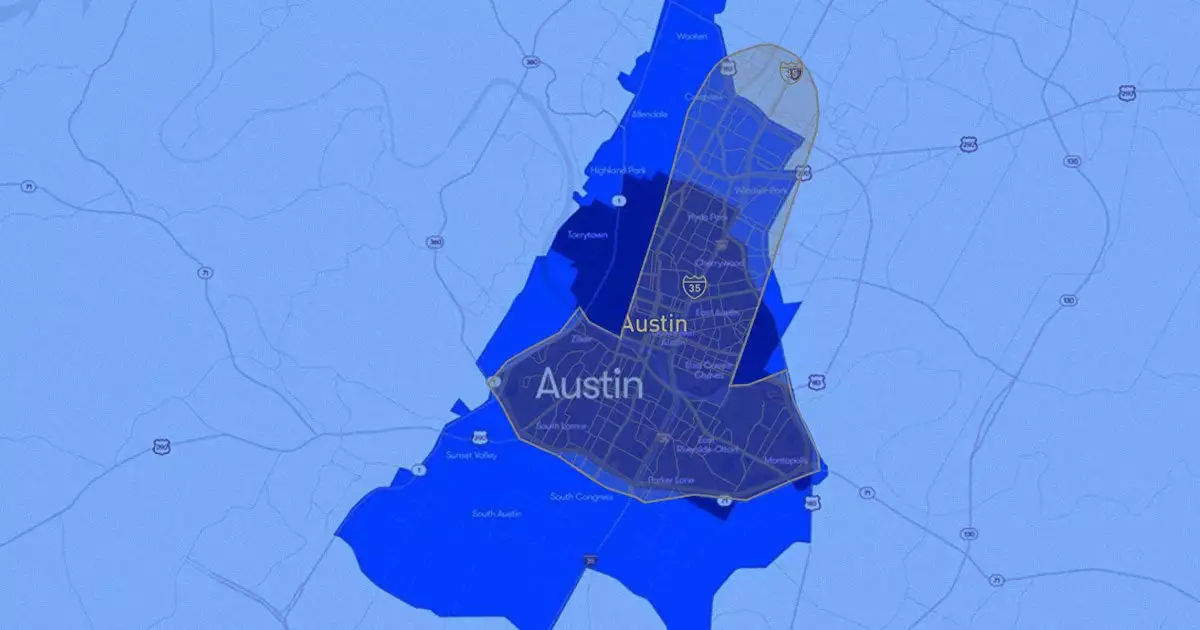
Waymo, the Alphabet-backed veteran, has quietly amassed a 90-square-mile autonomous service zone in Austin, deploying approximately 1,500 Level-4 vehicles. With over 100 million fully driverless miles logged, Waymo’s approach is defined by operational discipline: no safety drivers, no invitation-only exclusivity—just a methodical march toward public trust and regulatory acceptance.
In contrast, Tesla’s pilot is a study in spectacle—a 37-square-mile patchwork, 10 to 12 vehicles, each with a human safety driver, and access limited to handpicked riders. The company’s brand charisma and Musk’s social media bravado serve as a smokescreen for what remains a functionally Level 2/3 system, now tentatively stepping into Level 4 territory under close human supervision. The difference is not merely quantitative; it’s philosophical. Where Waymo courts regulators and municipalities with scale and safety metrics, Tesla sustains investor enthusiasm by projecting perpetual technological imminence, even as its EV margins contract.
This divergence is not lost on capital markets. Waymo, still buffered by Alphabet’s formidable balance sheet, faces mounting pressure to monetize its technological lead. Meanwhile, Tesla’s narrative agility—amplified by Musk’s antics—keeps its robotaxi ambitions in the limelight, buying time as it repurposes Full-Self-Driving (FSD) R&D into a mobility-as-a-service (MaaS) play.
Technology at a Crossroads: Sensor-Heavy Reliability vs. Vision-Driven Ambition
Waymo’s architecture is a fortress of redundancy: high-precision LiDAR, radar, and HD maps combine to deliver conservative but robust Level 4 autonomy. The company’s 100 million driverless miles are more than a talking point—they’re a proprietary dataset, compounding algorithmic resilience and providing a formidable moat against both technical and regulatory risk.
Tesla, by contrast, bets on a vision-centric, neural-network-driven approach—eschewing LiDAR in favor of generalized AI scalability. Its edge lies in a vast fleet of over 10 million consumer vehicles, each hoovering up real-world driving data. Yet the leap from Level 2 ADAS data to fully driverless operation remains, for now, a leap of faith. The transferability of this data to true autonomy is unproven, and regulators are increasingly demanding empirical safety cases, not theoretical promise.
Waymo’s operational scale unlocks optionality: licensing, white-label fleet partnerships, and logistics services. Tesla, still tethered to proprietary hardware and human supervision, cannot yet exploit these avenues. The race is not just to autonomy, but to platform dominance—a race where data, trust, and regulatory alignment are as critical as code.
Economic and Regulatory Headwinds: Capital, Policy, and the Shifting Sands of Trust
The economics of robotaxi fleets are daunting. Outfitting vehicles for Level 4 autonomy can exceed $200,000 per unit, and rising interest rates amplify the risk of stranded capital. Tesla hedges with diversified revenue streams—energy, consumer vehicles, even insurance—while Waymo leans on Alphabet’s patience but faces investor impatience for returns.
The post-Cruise regulatory climate is unforgiving. State DOTs and the NHTSA are tightening safety-case requirements, and the burden of proof now favors those with demonstrable safety miles—an area where Waymo’s data-rich approach shines. Tesla’s penchant for juvenile marketing, while effective at capturing attention, risks eroding institutional trust with the very stakeholders who control street access.
The Road Ahead: Consolidation, Ecosystem Integration, and the New Moats
The next 24 to 36 months will be decisive. As mid-tier AV startups exhaust their runways, expect a wave of consolidation—liquidity-rich automakers and logistics firms will be on the hunt for distressed assets, talent, and intellectual property. Robotaxi viability will increasingly hinge on integration with city-level mobility operating systems, electric grid optimization, and congestion pricing—domains where scale and regulatory goodwill will determine who builds the next mobility monopoly.
For executives and policymakers, the lesson is clear: narrative control, data accumulation, and regulatory alignment are the real battlegrounds. The spectacle may dominate headlines, but the winners in autonomous mobility will be those who master the subtleties of trust, scale, and strategic patience.

 By
By

 By
By
 By
By
 By
By

 By
By
 By
By