


YouTube-to-Hollywood is becoming a measurable pipeline, not a novelty
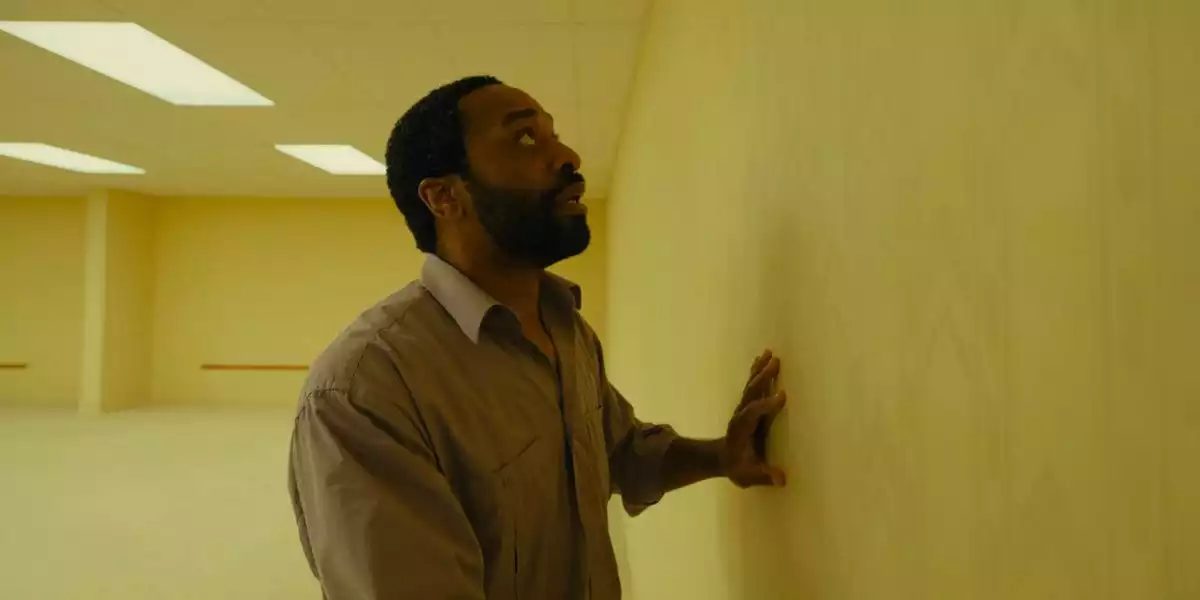
A quiet but consequential reordering is underway in the film business: digital platforms—especially YouTube—are increasingly functioning as Hollywood’s front-end talent system. The latest proof points are hard to ignore. *Backrooms*, a horror thriller directed by 20-year-old Kane Parsons and rooted in an internet meme ecosystem, is tracking toward roughly $60 million in theatrical receipts. *Obsession*, from 26-year-old Curry Barker, has reportedly reached $74 million in two weeks. Both projects sit inside established studio machinery—A24 and Blumhouse—yet their creative DNA and audience formation began online.
This is not simply “influencers making movies.” It is a shift in how filmmakers are discovered, how projects are greenlit, and how risk is priced. The model was foreshadowed by Markiplier’s self-financed *Iron Lung*, which leveraged a creator-led distribution and marketing flywheel: a $3 million budget scaling to roughly $50 million at the box office, propelled by a community of 38 million subscribers. In business terms, Hollywood is learning to treat creators not only as talent, but as integrated micro-studios—bundling IP, audience access, and promotional infrastructure.
The new greenlight calculus: engagement metrics as underwriting signals
For decades, studios relied on a mix of executive taste, comparable titles, star attachments, and pre-sales to decide what gets made. Today, platform-native performance data is increasingly part of that equation. YouTube creators arrive with a public track record of audience behavior—views, watch time, retention curves, subscriber growth, and comment sentiment—that can be interpreted as early demand signals.
Key dynamics reshaping decision-making include:
- Democratized iteration at scale: Creators can test tone, pacing, and world-building in public, refining craft through rapid feedback loops that traditional development cycles rarely match.
- De-risking through pre-aggregated audiences: A built-in fanbase doesn’t guarantee broad theatrical appeal, but it can materially reduce the probability of a “cold start” release—especially for mid-budget genres like horror and thriller.
- Data-informed packaging: Studios can pair creator-led IP with proven production partners, using platform analytics to guide positioning, release timing, and marketing creative.
The result is a hybrid model: creators bring audience and concept velocity; studios bring financing depth, distribution leverage, and operational discipline. In this structure, the creator’s channel becomes both a talent credential and a marketing asset—trailers, behind-the-scenes content, livestream Q&As, and community posts can extend campaign reach at comparatively low incremental cost.
Box office economics meet franchise fatigue: why mid-budget creator films fit the moment
The macro context matters. As theatrical revenues continue their post-pandemic recalibration, studios face a two-front challenge: restore consistent cinema attendance while managing the rising cost and volatility of tentpole bets. At the same time, long-running franchises show signs of audience saturation—not necessarily collapse, but diminishing marginal returns and heightened scrutiny over value.
Creator-originated films—particularly in horror—map neatly onto this environment:
- Cost discipline with upside asymmetry: Horror and contained thrillers can be produced at budgets that don’t require global four-quadrant domination to break even. A strong opening weekend and sustained word-of-mouth can generate outsized ROI.
- Novelty as a portfolio hedge: Internet-native storytelling—memes, liminal spaces, analog horror aesthetics—can feel fresher than sequel-driven slates, offering studios a diversification lever.
- Marketing efficiency through cross-channel amplification: When a filmmaker can mobilize millions directly, studios can redirect spend from awareness-building to conversion—premium placements, theatrical partnerships, and targeted digital.
Importantly, this isn’t a rejection of traditional Hollywood craft. It’s an attempt to recombine craft with community. A24 and Blumhouse are not outsourcing filmmaking to YouTube; they are selectively partnering with creators whose online work demonstrates both directorial competence and audience resonance.
Strategic implications—and the risks of mistaking virality for durability
If YouTube is becoming a feeder system, industry roles will continue to evolve.
Studios are likely to formalize creator scouting with:
- Dedicated analytics and social intelligence teams
- “Always-on” monitoring of emerging genres and micro-communities
- Development deals that treat channels as long-term audience assets, not one-off marketing boosts
Talent agencies and managers will increasingly negotiate across a blended stack:
- Theatrical and streaming windows
- Brand partnerships and creator monetization
- IP ownership structures that reflect the creator’s origination role
Platforms gain leverage as reputational incubators. When YouTube-originated filmmakers succeed theatrically, the platform strengthens its position as a career launchpad—reinforcing creator retention and attracting higher-caliber production talent into its ecosystem.
Yet the model carries real hazards. Engagement metrics can be overfit—optimized for niche intensity rather than broad appeal. A creator’s audience may be highly loyal but geographically uneven, demographically narrow, or more interested in the personality than the story. Studios that over-index on dashboards risk undervaluing less quantifiable factors: pacing for theatrical viewing, performance direction, and the narrative cohesion required for a 90–120 minute feature.
The most durable strategy appears to be balanced integration: use platform data to identify signal, then apply rigorous development and production standards to translate that signal into a film that plays beyond the core fandom. If *Backrooms*, *Obsession*, and *Iron Lung* are early markers, Hollywood’s next competitive edge may not be a bigger franchise bible—it may be the ability to spot creators who already know how to earn attention, and help them convert that attention into enduring cinematic value.

 By
By
 By
By

 By
By
 By
By

 By
By
 By
By







