


A creator’s road map to the “long tail” of America’s public lands
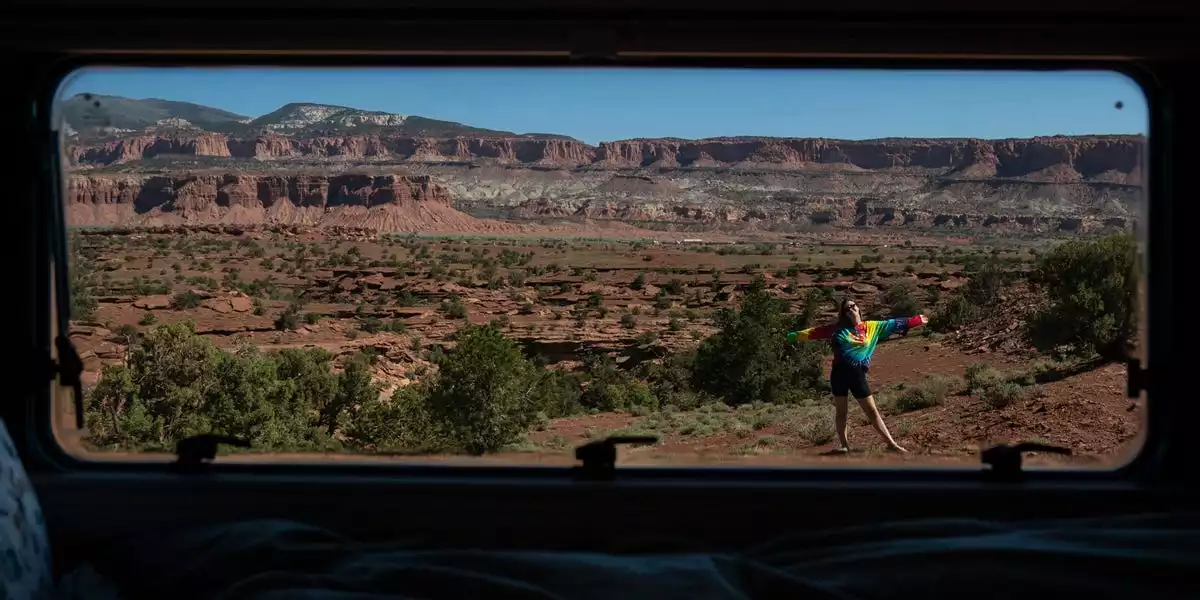
Sarah Silbiger’s 2023 journey—living out of a self-equipped camper van with her partner, Jason, after selling their possessions—captures a quietly accelerating shift in U.S. travel behavior: away from the headline national parks and toward under-visited national monuments and state parks that offer space, narrative texture, and a sense of discovery. Stops such as Organ Pipe Cactus National Monument and Chiricahua National Monument in Arizona, Goblin Valley State Park and Cedar Breaks National Monument in Utah, plus coastal and Great Lakes destinations like Pismo Beach, California and Petoskey State Park, Michigan, illustrate how the “long tail” of public lands can outperform marquee sites for certain travelers—especially visual storytellers.
For a freelance video and photojournalist, the value proposition is straightforward: fewer crowds mean cleaner compositions, more time to work, and a deeper relationship with place. Yet the implications extend well beyond aesthetics. Silbiger’s route is a case study in how remote work, creator economics, and mobile living are reshaping tourism demand—and how that demand is colliding with the operational realities of America’s most famous parks.
By contrast, iconic destinations such as Yosemite and Bryce Canyon remain geologically unrivaled, but increasingly defined by overtourism, constrained infrastructure, and management strain. The visitor experience becomes less about immersion and more about logistics: traffic, parking, timed entry, and crowded viewpoints. That tension is now a strategic issue for public agencies and a commercial opportunity for technology and services firms.
Van-life infrastructure becomes a product category, not a lifestyle footnote
The rise of “van-life” is often framed as cultural—minimalism, freedom, a rejection of fixed overhead. In business terms, it is also a growing market for portable infrastructure: power, connectivity, safety, and workflow tools that make rural mobility viable for professionals.
Key technology vectors emerging from this trend include:
- Portable energy stacks: solar panels, battery storage, inverters, and modular off-grid kits designed for creators running cameras, drones, laptops, and editing suites. Demand is shifting from hobbyist gear to reliable, serviceable systems with warranties, monitoring apps, and upgrade paths.
- Ubiquitous broadband expectations: satellite internet, 5G hotspots, and hybrid connectivity bundles are becoming core enablers for digital nomads and remote creatives. The competitive edge will come from coverage intelligence (where service actually works), not just advertised speeds.
- Mobile content pipelines: creators need lightweight tools for ingest, backup, tagging, and publishing—especially when documenting remote parks with limited connectivity. This opens space for content management suites optimized for intermittent networks, automated metadata, and secure cloud sync.
For entrepreneurs, the opportunity is to package these into integrated “work-from-anywhere” bundles—hardware plus subscription connectivity plus support—aimed at a cohort that is asset-light but quality-demanding. For telecoms and satellite providers, rural corridors and park-adjacent towns become strategic nodes in a new kind of network map: one drawn by travelers who are simultaneously tourists, workers, and publishers.
AI-driven travel discovery meets real-time conservation management
Silbiger’s preference for lesser-known sites points to a structural mismatch in today’s travel platforms: discovery engines still over-index on the most famous destinations, even as those destinations struggle under peak demand. This is where AI recommendations and real-time analytics can move from convenience features to public-interest infrastructure.
Two complementary systems are taking shape:
- Niche discovery and demand shaping: Travel apps can use AI to surface underutilized monuments and state parks by analyzing user-generated imagery, sentiment, seasonality, and crowd-density proxies. The goal is not merely personalization; it is redistribution—steering high-intent travelers toward places that can absorb visitation and deliver better experiences.
- Data-driven visitor management: Flagship parks facing overcrowding increasingly need instrumentation—IoT sensors, geospatial mapping, traffic flow models, and environmental stress indicators—to support decisions like timed entry, shuttle routing, dynamic staffing, and targeted maintenance.
The business case is clear: better data reduces operational waste and protects fragile ecosystems. The public policy case is equally strong: without measurement, agencies are forced into blunt tools—blanket restrictions or reactive closures—that can erode trust and local revenue. The next phase of park stewardship is likely to be defined by predictive management, where agencies anticipate congestion and ecological stress rather than simply documenting it after the fact.
The new economics of rural gateways: longer stays, smaller crowds, higher value
The shift toward under-visited parks is not just a tourism story; it is a regional development story. When travelers avoid one-day “bucket list” stops and instead build itineraries around quieter monuments and state parks, rural gateway communities can capture more durable economic benefits—especially if visitors are working remotely and staying longer.
Several economic dynamics stand out:
- Democratization of experiential travel: Travelers are increasingly optimizing for authenticity and narrative—local guides, small businesses, and place-specific experiences—rather than standardized “must-see” checklists.
- Funding disparities and infrastructure gaps: Overcrowding at marquee parks exposes chronic underinvestment in trails, sanitation, transit, and digital wayfinding. This creates room for public-private partnerships, including concessionaire upgrades, sponsorship models, and impact-oriented financing that improves capacity without simply raising entrance fees.
- Financial services for mobile livelihoods: The gig economy and creator class need products aligned with irregular income and mobile assets—specialized insurance, micro-lending, and financial planning for location-independent living.
Strategically, tourism boards and park authorities may need to rethink marketing itself. The objective is no longer maximizing raw visitation to a single flagship site; it is optimizing a portfolio of destinations—using user-generated content, influencer partnerships, and data-backed itineraries to distribute demand across regions while protecting ecological integrity.
Silbiger’s journey underscores a pragmatic truth for the post-pandemic travel economy: the most resilient growth will come from aligning technology enablement, conservation stewardship, and rural economic uplift—so that America’s celebrated landmarks can breathe again, and its hidden gems can thrive without losing what made them worth finding.

 By
By

 By
By
 By
By
 By
By

 By
By








