


The Quiet Revolution: How Women Are Reshaping the Global Protein Snack Economy
In the fluorescent-lit aisles of supermarkets and the curated feeds of Instagram, a subtle but seismic shift is underway. The $32 billion global protein-snack industry—a sector once synonymous with gym bags and testosterone-fueled branding—now finds its most ardent champions among women. This is not merely a demographic footnote; it is a wholesale transformation of consumer culture, product innovation, and the very economics of “better-for-you” food.
The New Growth Engine: Women as the Architects of Demand
The numbers are unambiguous: women now account for over 70% of sales for insurgent protein-snack brands like Chomps and Wilde. This ascendancy is not accidental. Two powerful currents are converging:
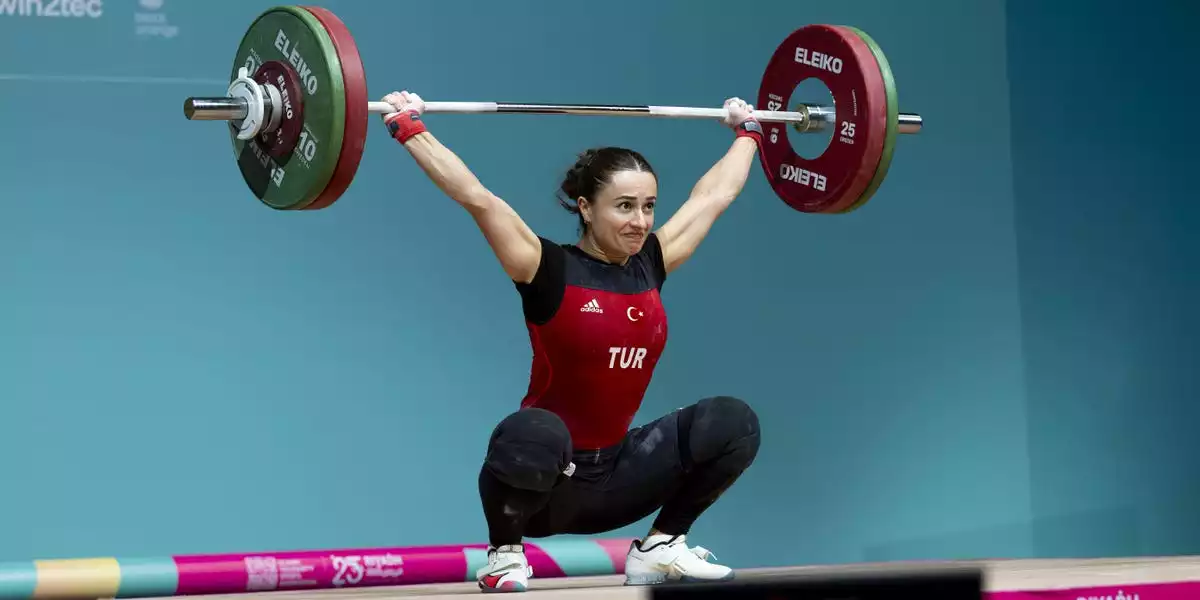
- Mainstreaming of Strength Training and Metabolic Health: No longer niche, strength training is a pillar of women’s wellness routines, driving a nuanced understanding of protein’s role in muscle maintenance and metabolic vigor.
- Pharma-Nutrition Convergence: The rapid adoption of GLP-1 weight-loss drugs—whose efficacy hinges on adequate protein intake—has created new, medically anchored consumption occasions for high-protein snacks.
Perception, too, plays its part. Nearly a third of women believe they are protein-deficient, a sentiment that is translating directly into higher basket spend and multi-category adoption. From Starbucks’ refrigerated cases to the digital shelves of direct-to-consumer upstarts, “clean-label, high-protein” has become a clarion call.
Innovation at the Intersection of Science, Design, and Trust
This market is not growing on inertia. It is propelled by a new generation of product and marketing strategies that are acutely attuned to female preferences and priorities.
- Ingredient Engineering: Hydrolyzed chicken broth, grass-fed collagen, and novel plant isolates are delivering 15–20 grams of protein per 150-calorie serving—without sacrificing the indulgent mouthfeel that female consumers prize.
- Transparency and Traceability: QR-code-enabled traceability and third-party certifications have become non-negotiable. Women, who consistently over-index on label scrutiny, are driving the adoption of platforms like WhereFoodComesFrom and CarbonCloud, shrinking the trust gap and raising the bar for the entire industry.
- Aesthetic and Semantic Pivot: The semiotics of strength have shifted. Gone are the black-and-red “locker room” cues; in their place, pastel palettes and serif fonts signal a holistic, approachable wellness. The result: a broader, more inclusive total addressable market, with lifestyle consumers joining the ranks of fitness enthusiasts.
Digitally native challenger brands, often led by women and powered by micro-influencers, are leveraging community and authenticity to achieve customer acquisition costs 40–50% below those of traditional macro-influencers. This is not just marketing; it is a structural advantage.
Supply Chains, ESG, and the Next Competitive Frontier
As the protein-snack economy feminizes, operational and regulatory complexities multiply. Feed costs for animal proteins are yoked to volatile grain futures, exposing brands to margin risk—unless they hedge commodities or diversify into upcycled proteins like mycelium and insect flour. Meanwhile, the carbon calculus is tightening: animal-based snacks face increasing scrutiny under Scope 3 emissions mandates, particularly in the EU and California. Lifecycle transparency is quickly becoming a prerequisite for shelf space.
The convergence with adjacent industries is accelerating. Collagen-fortified snacks are blurring lines with beauty ingestibles, opening new cross-sell opportunities with cosmeceutical players. Cold-chain logistics, once the purview of ice cream and pharma, are now critical as protein snacks shift toward heat-sensitive, functional formats. Even personalized nutrition is on the horizon, with continuous glucose monitors and protein-metabolism biomarkers poised to enable dynamic, individualized snack formulations.
Strategic Imperatives for a Gender-Driven Market
For consumer goods executives, the mandate is clear: audit portfolios for protein density, fortify legacy SKUs, and move decisively on M&A opportunities—especially among female-founded startups. Retailers and food-service operators must rethink merchandising logic, relocating protein snacks from the sports-nutrition ghetto to prominent wellness displays, and engineering menus around high-protein, low-calorie options that fit seamlessly into women’s routines.
Digital health platforms are uniquely positioned to embed protein-tracking APIs and cross-sell snack subscriptions, layering recurring revenue atop existing SaaS models. For capital markets, the rerating is already underway: brands with a majority-female buyer mix are commanding premium valuations, reflecting superior loyalty and lower churn.
The protein-snack market is no longer a male enclave. It is a structurally expanding, female-led wellness platform—one that intersects with pharmaceuticals, digital health, and ESG agendas. Organizations that retool their R&D, marketing, and supply-chain strategies to align with this gender-driven paradigm will not only capture growth, but build enduring resilience in a market that is, at last, as inclusive as it is innovative.



 By
By
 By
By
 By
By
 By
By
 By
By








