
The Mirage of Crowds: Generative AI and the New Optics of Live Entertainment
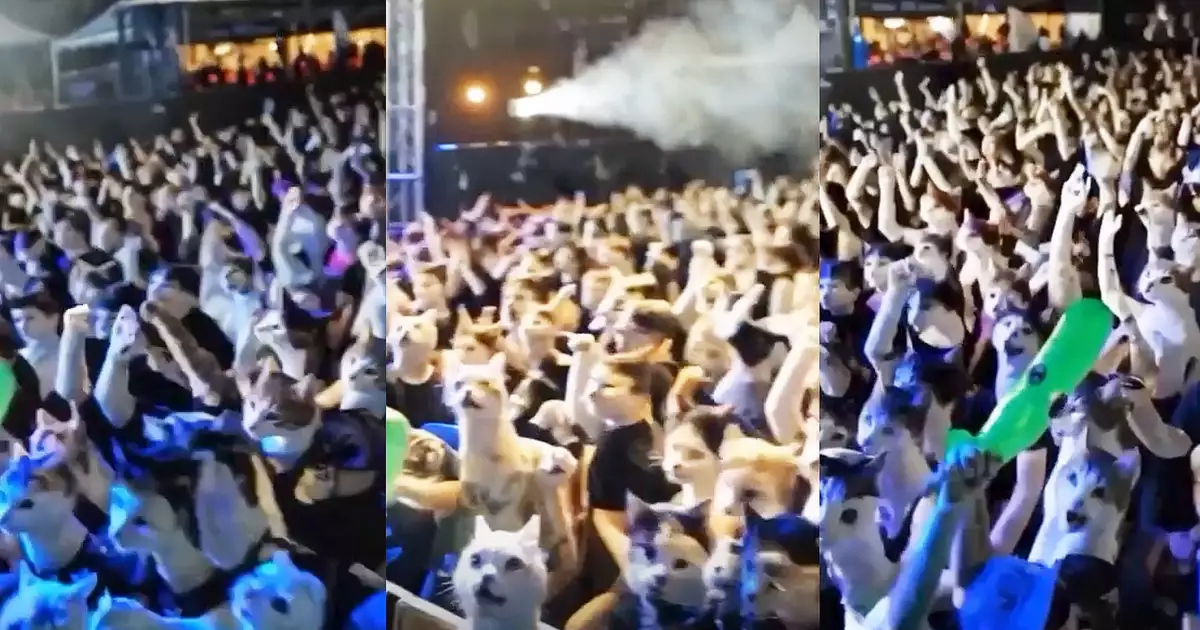
When Will Smith’s social media feeds erupted with concert footage teeming first with exuberant fans, then with a surreal invasion of animated felines, the spectacle was as much a technical marvel as a cultural Rorschach test. What began as a promotional flourish for his “Based on a True Story” tour quickly became a flashpoint in the ongoing debate over authenticity in the age of generative AI. Visual glitches—limbs askew, feline faces flickering—betrayed the synthetic origins of these crowds, and the internet, ever vigilant, pounced. The ensuing backlash was swift, igniting fierce scrutiny of the commercial and ethical dimensions of AI-crafted realities in live performance marketing.
Generative AI: From VFX Luxury to Desktop Commodity
The technology underpinning Smith’s viral experiment is emblematic of a broader revolution. What once required the deep coffers and extended timelines of Hollywood’s visual effects studios can now be conjured on a laptop by a nimble creative team. The footage in question appears to leverage a blend of frame-interpolation and text-to-image in-painting—techniques that have migrated from research labs to mainstream toolkits in a matter of months.
- Rapid democratization: Off-the-shelf diffusion models and advanced video editors can fabricate photorealistic crowds in hours, not weeks.
- Cost curve inversion: The expense and logistical complexity of hiring extras or staging audience shots is rapidly being supplanted by algorithmic augmentation.
- Programmable virality: Artists can now simulate popularity, harvest engagement metrics, and feed these back into social algorithms—creating a feedback loop that blurs the line between organic buzz and engineered spectacle.
This acceleration signals a future where “enhanced reality” content becomes indistinguishable from the genuine article, at least to the casual observer. Within the next year or two, the distinction between live and synthetic audience may become a matter of faith, not evidence.
Trust, Brand Equity, and the Economics of Synthetic Engagement
For marquee names like Smith, the stakes are not merely artistic—they are financial. Authenticity is a currency that underpins sponsorship rates, streaming deals, and licensing valuations. The specter of manipulated audience numbers or synthetic engagement metrics introduces a new volatility into these calculations.
- Brand risk: Erosion of trust can lead to tangible discounting of future cash flows, as sponsors and platforms reassess the value of association.
- Legal exposure: Many contracts now embed morality or misrepresentation clauses; a campaign deemed deceptive could trigger renegotiations or outright cancellations.
- Cost reallocation: While AI-generated crowds promise production savings, these may be offset by new expenditures on reputation management, compliance, and fact-checking—especially as regulators move to classify certain augmentations as “material misstatements.”
Unions and guilds, from SAG-AFTRA to international counterparts, are already sharpening their focus on digital-replica clauses and residual frameworks. The right to “depict a crowd” may seem trivial today, but as avatars become individually owned or brand-sponsored, micro-licensing could emerge as a lucrative, if contentious, new category.
Navigating the Synthetic Frontier: Strategic Imperatives for the Industry
The Will Smith episode is not an outlier but a harbinger. As streaming giants and social platforms grapple with the proliferation of AI-manipulated content, a new set of competitive and regulatory dynamics is coming into view.
- Authenticity as a moat: Platforms are exploring “authenticity seals” and blockchain-based provenance certificates to differentiate their catalogs and pre-empt regulatory mandates.
- Algorithmic incentives: Social media’s appetite for novelty incentivizes synthetic inflation—until platform governance recalibrates the balance between reach and trust.
- Community management: Transparent, creative use of AI can deepen fan engagement; opaque or deceptive usage breeds skepticism and reputational drag.
Regulatory bodies, from the EU to the U.S., are drafting frameworks that may soon require explicit labeling of synthetic content. If concert attendance metrics influence publicly traded ticket sellers, undisclosed AI augmentation could even trigger securities-fraud investigations—a scenario reminiscent of past scandals over inflated user metrics in the tech sector.
Actionable recommendations for industry leaders:
- Audit every AI touchpoint in content pipelines, with clear disclosure and legal review protocols.
- Invest in watermarking and cryptographic verification to authenticate footage and pre-empt manipulation claims.
- Distinguish between human and synthetic engagement in marketing dashboards to avoid misallocated spend and misleading investor communications.
- Engage proactively with standards bodies to help shape labeling frameworks that balance creative freedom with consumer transparency.
The Smith incident, with its dancing cats and digital crowds, is a symptom of a deeper inflection point—where the democratization of generative AI collides with the imperatives of trust, governance, and commercial sustainability. Those who treat AI not just as a creative accelerant but as a risk variable will be best positioned to thrive as the boundaries between the real and the synthetic continue to blur.

 By
By
 By
By
 By
By


 By
By

 By
By

 By
By

 By
By