
A new flashpoint in the AI economy: the local politics of data centers
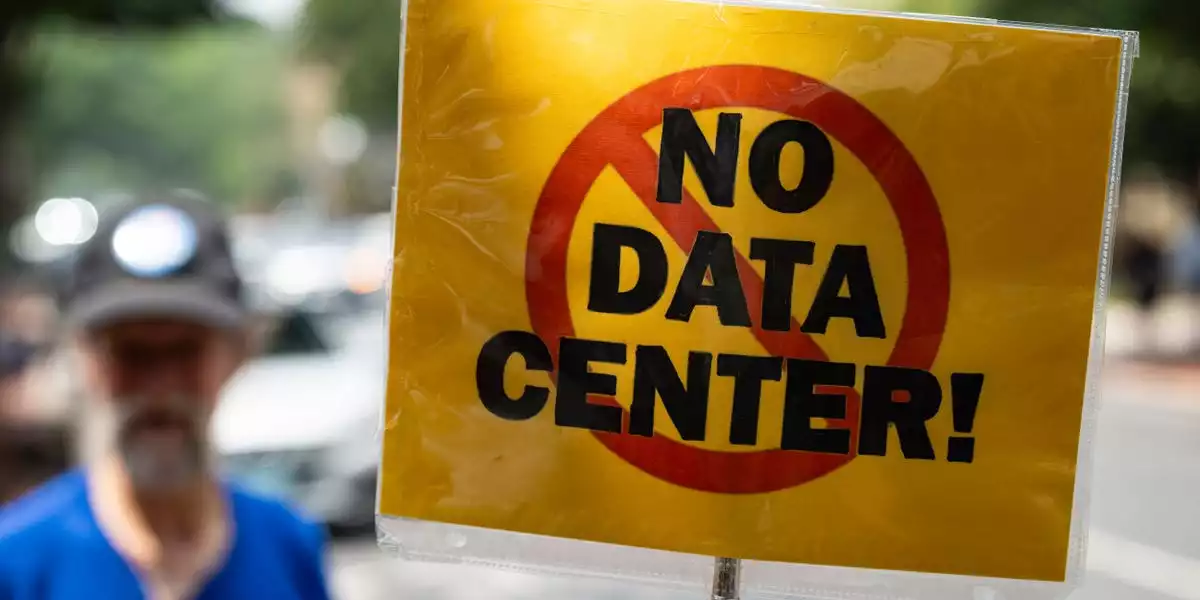
A striking disconnect is emerging at the heart of the U.S. digital build-out: AI remains broadly popular as a technology, yet the physical infrastructure that makes it possible is increasingly unwelcome. A recent Gallup poll reporting 70% of Americans oppose data centers in their communities crystallizes a shift that hyperscalers, utilities, and local governments can no longer treat as a temporary public-relations headwind.
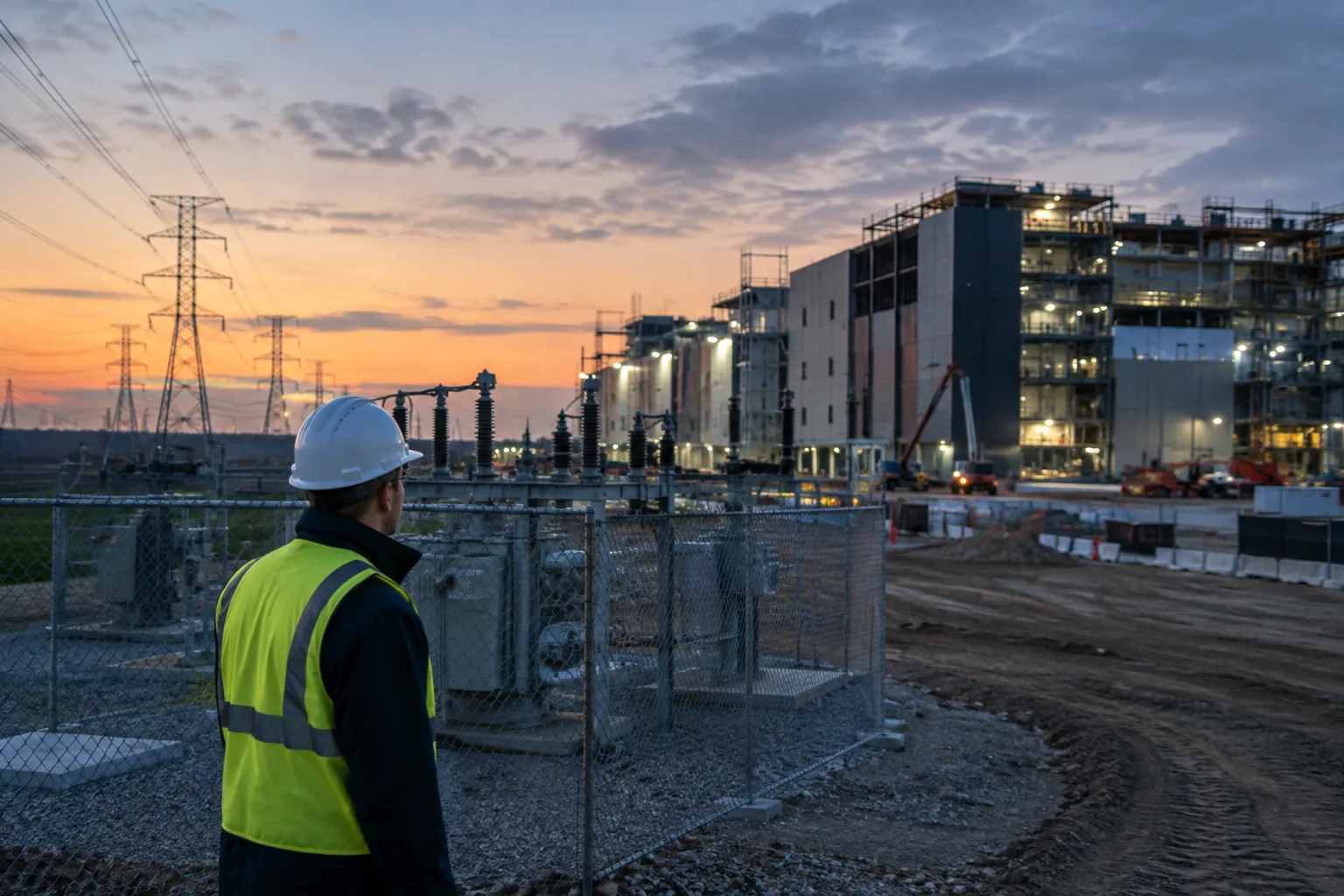
Data centers—once largely invisible to the public—have become highly legible symbols of the AI era: massive buildings, heavy transmission lines, constant cooling equipment, and a sense that “something big” is being imposed on a community. That visibility matters. For many residents, these facilities are not abstract cloud infrastructure; they are a tangible proxy for anxieties about automation, job displacement, and the concentration of economic power. When prominent figures across the political and investor spectrum amplify the narrative of a “PR chasm,” they are pointing to a deeper reality: data centers now require not just permits, but public legitimacy.
In response, companies are experimenting with community-investment packages—including headline-grabbing commitments like Meta’s reported $1 billion pledge with localized benefits such as teacher bonuses. These moves may help, but they also risk being interpreted as transactional if they do not address the core operational externalities that communities experience day to day.
Grid strain, noise, and the engineering costs of being a “good neighbor”
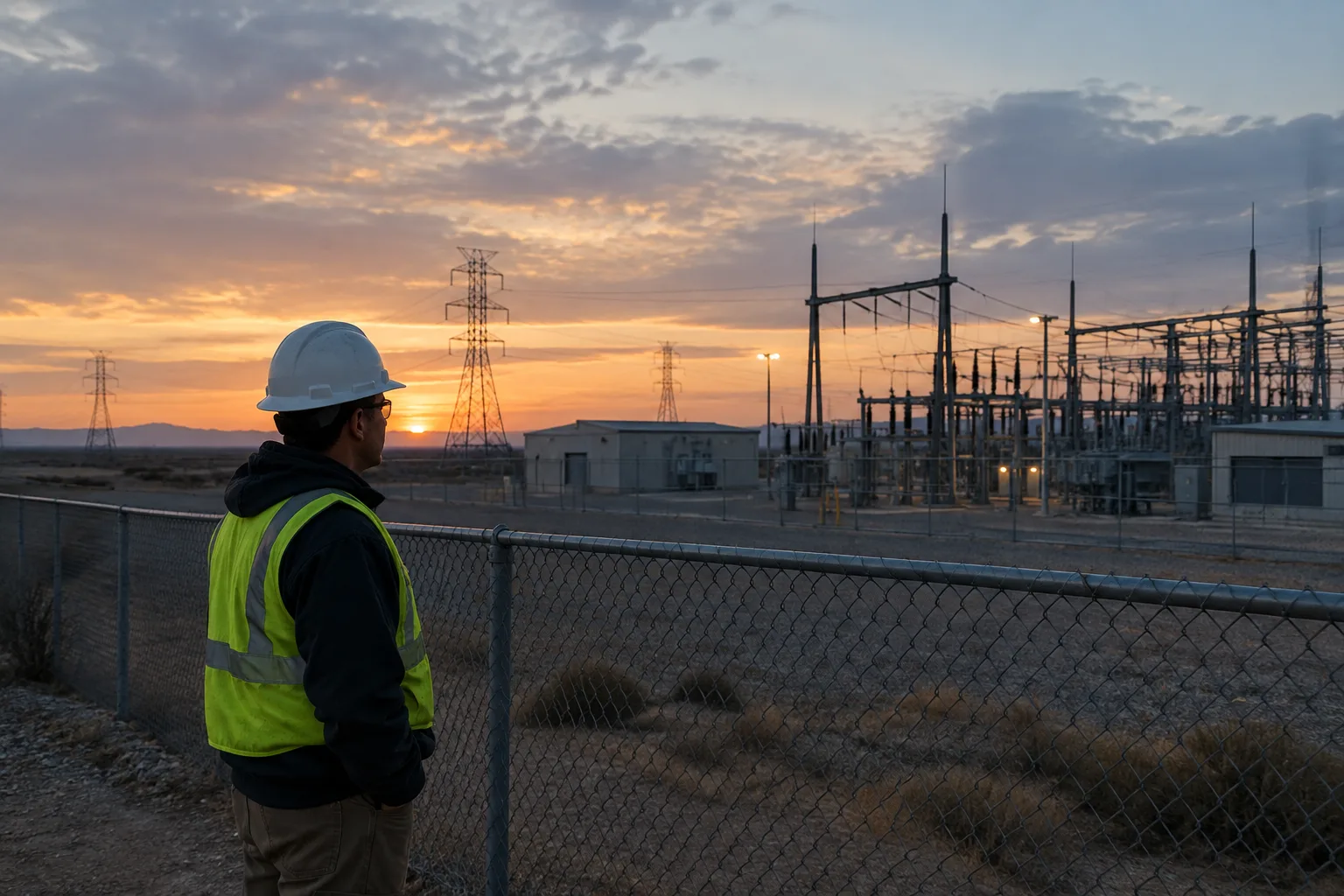
The most immediate friction point is energy. Hyperscale facilities already account for up to ~2% of U.S. electricity demand, and AI workloads—especially training and high-volume inference—push compute density and cooling requirements higher. In practical terms, a large data center can become an energy anchor tenant that reshapes local load forecasts, infrastructure investment plans, and even rate structures.
Key infrastructure pressures are converging:
- Energy intensity and grid resilience: Without coordinated upgrades—transmission, substations, demand response, and storage—utilities may respond with restrictive tariffs, interconnection delays, or moratoria, turning power availability into a material operational risk.
- Alternative power architectures: Operators exploring microgrids, on-site solar-plus-storage, hydrogen, biogas, or other captive generation can reduce dependence on constrained grids. But these approaches introduce new layers of complexity: land use, safety rules, emissions accounting, and permitting pathways that can heighten skepticism if communities feel decisions are being made behind closed doors.
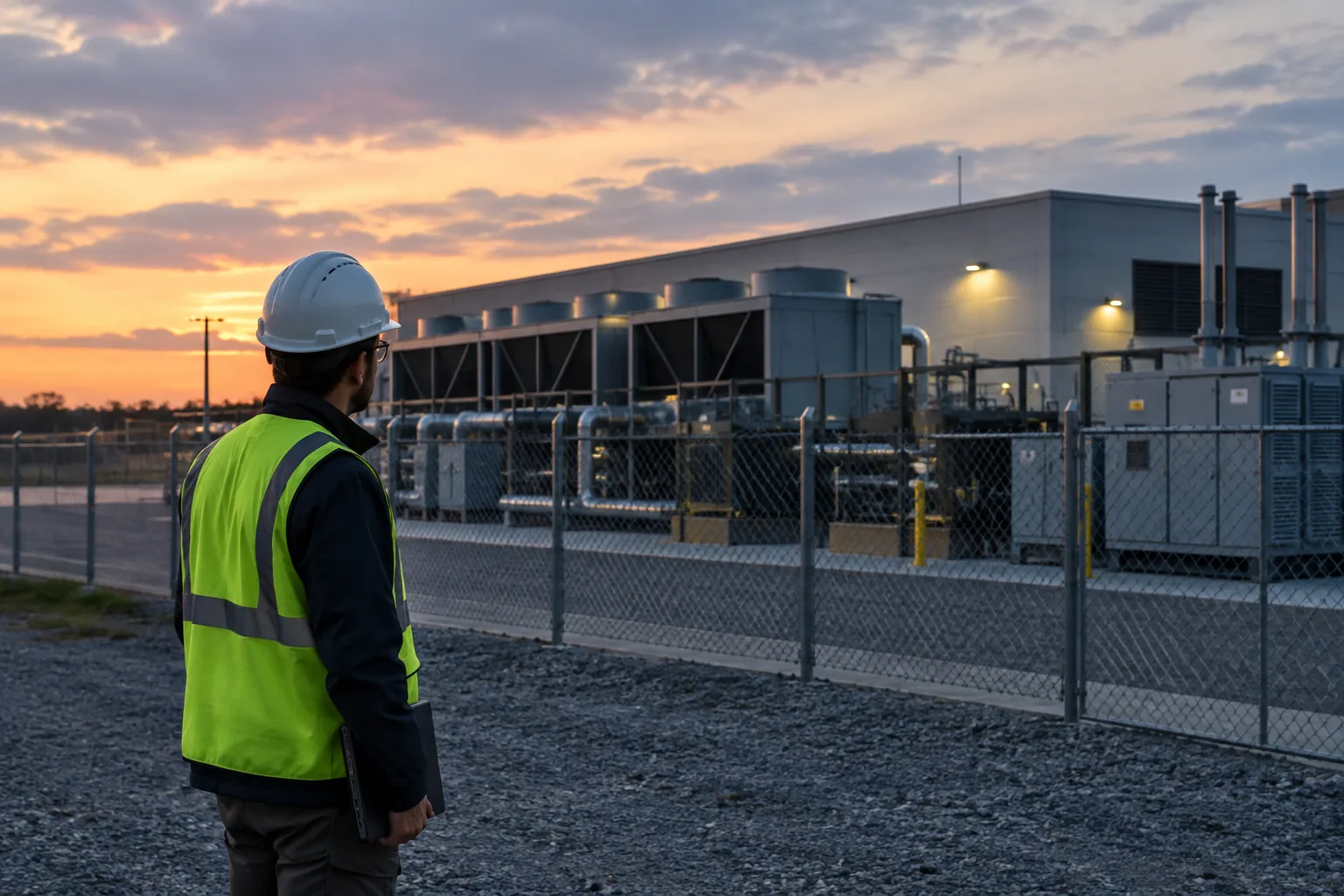
- Acoustic engineering as a governance issue: The “white noise” of fans, chillers, and backup systems is not merely an annoyance; it can trigger decibel ordinance violations, litigation, and expensive retrofits. While solutions exist—immersion cooling, advanced enclosures, redesigned airflow paths—each incremental improvement often carries a 5–15% capex or opex premium, turning community compatibility into a measurable line item.
This is where the economics of AI infrastructure meet local governance. The industry’s traditional playbook—optimize for land cost, tax incentives, and fast permitting—collides with the reality that grid capacity, noise profiles, and environmental compliance are now central to project viability. Engineering choices are becoming political choices, because they determine whether residents experience a data center as a quiet, well-managed facility—or as an intrusive industrial neighbor.
The employment paradox and the “social license to operate” problem
Even when a project clears technical hurdles, the social contract is often fragile. Communities routinely hear about job creation, but the labor profile of modern data centers is structurally mismatched with many local expectations:
- Construction brings a surge of employment, often hundreds of jobs, but it is temporary.
- Operations staffing is comparatively lean, ranging from dozens to a few hundred roles, many requiring specialized expertise in networking, electrical systems, cooling, and security.
- The result is an employment paradox: visible disruption paired with limited long-term hiring, which can fuel skepticism about whether the project delivers durable local prosperity.
This dynamic is increasingly entangled with broader socio-political risk. Data centers are joining the contested terrain occupied by pipelines, transmission corridors, renewable installations, and telecom towers—projects that can be technically beneficial yet politically combustible. In jurisdictions with tight zoning processes or fragmented coalitions, organized opposition can leverage environmental statutes, public hearings, and local elections to delay or derail projects.
Against that backdrop, large community payments can cut both ways. They may signal seriousness and provide real benefits, but they can also be read as “checkbook mitigation”—a substitute for meaningful participation. If residents perceive incentives as a bribe rather than a partnership, corporate credibility can erode, making future expansions harder even when the initial project proceeds.
The strategic implication is clear: hyperscalers are entering an era where they must earn a social license to operate, similar to what extractive and heavy industrial sectors have long faced. The winning approach is less about one-time generosity and more about governance, transparency, and shared value.
Where the market is heading: distributed footprints, audited metrics, and energy coalitions
The next phase of AI infrastructure strategy is likely to reward operators that treat community acceptance as a core capability—on par with site selection, network design, and power procurement. Several forward-looking patterns stand out:
- Integrated energy partnerships: Expect multi-stakeholder consortia that unite utilities, municipalities, renewables developers, and financiers to fund grid upgrades and community-scale storage. Properly structured, these deals can position data centers as net-zero-aligned energy hubs and, crucially, deliver visible local benefits such as microgrid support during outages.
- Community-centered workforce pipelines: The most credible antidote to the employment paradox is co-designed training—community colleges, unions, and local governments building apprenticeships in operations, cooling maintenance, and energy management. This reframes data centers as platforms for transferable technical skills, not just remote corporate assets.
- Distributed infrastructure strategies: As AI inference demand grows, the economics increasingly favor more geographically distributed deployments. Clusters of smaller sites can reduce the burden on any single grid, shrink noise zones, and diffuse political risk—while improving latency for AI applications.
- Proactive regulatory engagement: Municipalities are drafting new zoning and environmental codes tailored to data-center externalities. Operators that engage early can help shape predictable, enforceable frameworks rather than facing patchwork restrictions after public backlash.
- Transparency and shared-value metrics: Publicly audited reporting—carbon intensity, water use, noise levels, local hiring, tax contributions, outage support commitments—is becoming table stakes. What gets measured and disclosed becomes governable, and governability is the currency of trust.
The data center is no longer just a building that houses servers; it is a community-scale infrastructure decision with energy, environmental, and labor consequences. Companies that internalize that reality—engineering for compatibility, governing with transparency, and investing in durable local capacity—will secure faster permitting, lower political risk, and stronger brand equity in the AI economy’s most contested terrain.

 By
By

 By
By


 By
By
 By
By