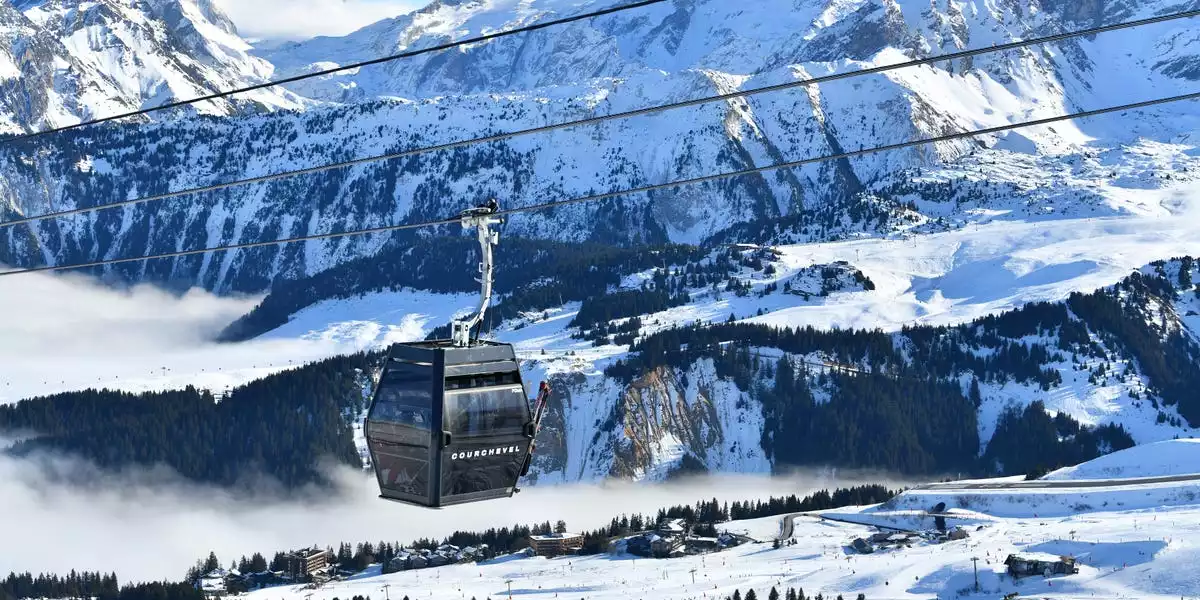

Snow Chasing Redefines Luxury Ski Travel Under Climate Volatility
A new pattern is hardening across the premium end of the ski market: ultra-high-net-worth travelers are no longer booking a destination—they are booking conditions. “Snow chasing,” once the domain of die-hard enthusiasts with flexible schedules, is increasingly institutionalized through luxury travel advisors and concierge networks. The defining feature is not just spontaneity, but a willingness to pay for optionality.
In practical terms, that optionality is expensive. Affluent skiers are reportedly forfeiting nonrefundable deposits as high as $7,000 and absorbing 20–25% price premiums for last-minute bookings, all to secure the light, dry powder that has become less predictable. This behavior signals a broader shift in the luxury economy: price sensitivity weakens when the product is an experience with a narrow window of “perfection.”
For resort operators, the backdrop is increasingly stark. Major players such as Vail Resorts have described conditions as the worst weather in decades, with terrain openings sometimes constrained to 70–80% of capacity. That is not merely an operational inconvenience; it is a structural challenge to the reliability that underpins season passes, lodging occupancy, and destination travel planning.
When Weather Becomes a Market Signal, Not Just a Disruption
Climate variability is often framed as a supply-side shock—less snow, fewer open runs, lower throughput. Yet the more revealing story is on the demand side: weather risk is now actively shaping consumer behavior. Rather than accepting mediocre conditions, high-end travelers are treating ski trips as contingent purchases, executed only when data supports the desired outcome.
This is consistent with a wider “contingent travel” trend emerging in other climate-exposed luxury categories:
- Yacht charters rerouting around hurricane forecasts
- Safari itineraries shifting based on migration models and drought patterns
- Coastal villa rentals increasingly influenced by wildfire smoke projections and heat risk
In each case, the consumer is not simply reacting to climate; they are trading flexibility for certainty, and paying a premium to do so. For the ski industry, the implication is profound: the value proposition is moving from place-based prestige to condition-based performance.
Climate scientists also warn that warming temperatures will alter not only the quantity of snow but its character—from lighter powder to heavier, wetter snow. That matters because the ski experience is highly sensitive to snow type. Even if resorts maintain “open” status, the experiential quality that premium travelers chase may degrade, challenging the very segment currently most willing to pay.
Data, AI Forecasting, and Dynamic Pricing Become Competitive Weapons
As snow chasing becomes normalized, the competitive edge shifts toward those who can predict, communicate, and monetize conditions in real time. Advanced meteorological forecasting, AI-driven snow-quality modeling, and IoT-enabled slope sensors are evolving from operational tools into commercial differentiators. Luxury travel planners increasingly function like micro-forecasters, bundling analytics with itinerary agility.
This creates a clear strategic mandate for resorts and travel intermediaries:
- Hyperlocal forecasting integration: not just snowfall totals, but wind, temperature bands, humidity, and snow-water content that determine “powder quality.”
- Condition-based yield management: pricing that responds to terrain availability and snow quality, not static calendars.
- Direct-to-consumer platforms: apps that push verified conditions, dynamic inventory, and upgrade paths (guides, first tracks, premium lift access) when demand spikes.
Operators that remain anchored to legacy package pricing risk a double penalty: they under-monetize peak “perfect snow” windows and struggle to protect margins when conditions deteriorate. In a climate-volatile environment, pricing power increasingly belongs to those who can quantify the experience and sell it dynamically.
Snowmaking’s Capital Race Meets ESG Scrutiny and Long-Term Season Risk
Resorts are responding with expanded snowmaking—more pumps, nozzles, water storage, and energy capacity. Yet snowmaking is not a simple insurance policy; it is capital-intensive, energy-dependent, and constrained by temperature thresholds. It can stabilize early-season openings and protect key corridors, but it may not fully replicate the conditions that premium skiers seek, particularly as warming trends compress the number of viable snowmaking nights.
This is where economics and ESG collide. Artificial snow can carry a reputational cost if it is perceived as carbon-heavy—especially when paired with short-notice international travel. The industry’s more credible path forward is emerging in hybrid form:
- Snowmaking paired with renewables (solar, wind, battery storage microgrids) to reduce emissions intensity and energy price exposure
- Transparent sustainability claims backed by verifiable accounting, rather than generic offsets
- Four-season diversification that reduces dependence on a shrinking winter window—wellness retreats, mountain biking, adventure sports, agritourism, and corporate offsites
A particularly notable opportunity sits at the intersection of finance and travel: risk-management products designed for snow chasing. Bespoke insurance, cancellation protection, or weather-derivative style offerings could underwrite nonrefundable deposits and last-minute fare differentials. For resorts, converting cancellation penalties into prepaid credits or “snow-assurance” tokens could preserve cash flow while keeping the customer inside the ecosystem.
What snow chasing ultimately reveals is not just a behavioral quirk of the wealthy, but a leading indicator for the broader market: mountain tourism is becoming a real-time marketplace where climate data drives purchasing decisions. The resorts that thrive will be those that treat forecasting, pricing, sustainability, and year-round diversification as a single integrated strategy—because in the new ski economy, reliability is no longer a promise made in brochures, but a product engineered day by day.

 By
By
 By
By


 By
By
 By
By