

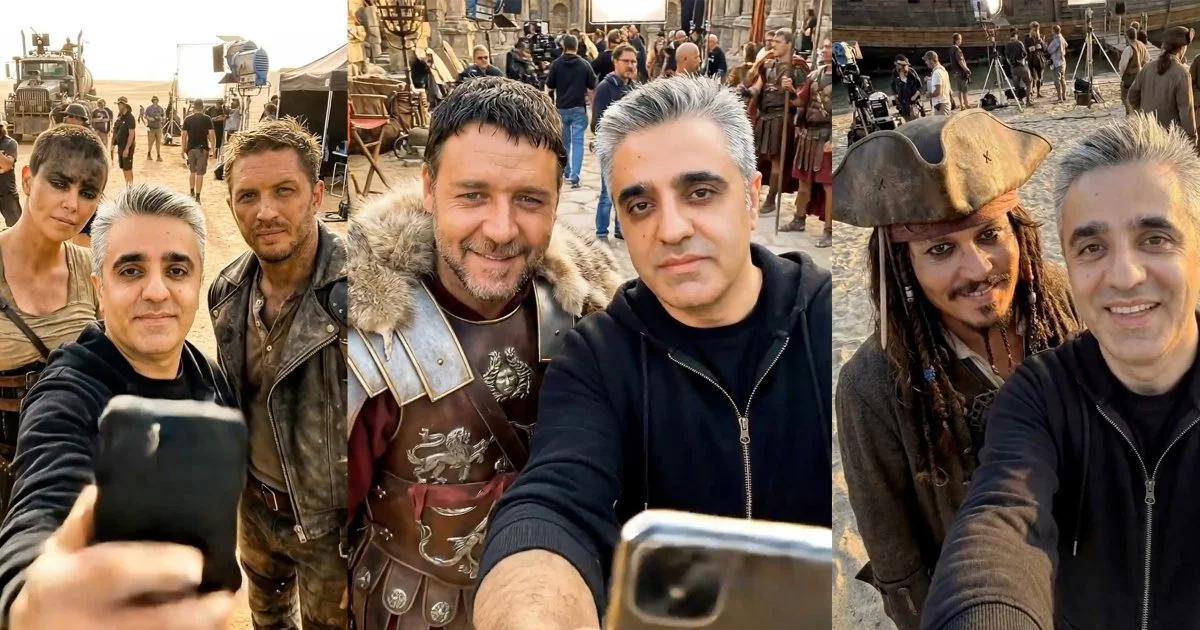

The Rise of Hyper-Real Synthetic Celebrity: Nano Banana Pro’s Viral Disruption
In the ever-accelerating arms race of generative AI, Google’s “Nano Banana Pro” emerges not merely as a technical marvel, but as a cultural catalyst. The model’s debut has ignited a digital wildfire: millions now watch—sometimes in awe, sometimes in disbelief—as everyday users conjure up videos of themselves bantering, dancing, or confiding with algorithmically rendered celebrities. What began as a viral trend, fueled by Reddit and Twitter tutorials, has rapidly morphed into a societal Rorschach test, raising urgent questions about authenticity, ethics, and the future of human connection in the age of synthetic experience.
Consumer-Grade AI and the New Para-Social Frontier
At the heart of Nano Banana Pro’s appeal is its unprecedented accessibility. By compressing text-to-video inference into real-time, consumer-grade latency, Google has democratized what was once the domain of Hollywood VFX studios and clandestine deepfake labs. Now, with a few prompts and a smartphone, anyone can generate hyper-realistic clips—complete with nuanced facial micro-expressions and voice-synced dialogue—that blur the line between reality and simulation.
This breakthrough has validated a latent, perhaps underestimated, appetite for para-social immersion. No longer content with static deepfakes or fleeting celebrity shoutouts, users are flocking to interactive, first-person narratives that place them at the center of the action. The numbers are staggering: some clips have drawn eight million views in a single day, rivaling or surpassing the engagement metrics of traditional short-form content.
Yet this synthetic proximity comes at a cost. For every enthusiast celebrating newfound creative empowerment, there is a chorus of critics decrying the trivialization of advanced AI—lamenting that such power is spent on virtual selfies rather than on pressing societal challenges. The debate, amplified by the regulatory vacuum around personality rights and consent in generative media, underscores just how unprepared existing frameworks are for the new realities Nano Banana Pro has unleashed.
Strategic Shifts: IP Economics, Platform Wars, and the Authenticity Premium
The implications for the creator economy and digital platforms are profound. The near-zero marginal cost of producing celebrity-themed videos is poised to flood TikTok, Instagram Reels, and their ilk, overwhelming both algorithms and audiences. As “synthetic premium” content temporarily commands outsized attention, traditional user-generated content faces CPM deflation and a recalibration of authenticity signals.
This supply shock is already catalyzing the emergence of new licensing marketplaces. Studios, celebrity estates, and sports leagues are moving swiftly to establish API-monetized avatars, transforming passive intellectual property into dynamic, real-time revenue streams. The parallels to the post-Napster evolution of music licensing are unmistakable, but the scale—video, not just audio—multiplies both the opportunity and the risk.
For brands, the allure of cost-efficient, globally localized campaigns starring familiar faces is tempered by legal uncertainties. Implied endorsements by synthetic celebrities could trigger litigation, while the scarcity of verified “real” interactions may soon command a premium. Expect to see the rise of “proof of reality” badges and cryptographic watermarking—digital analogs to the organic food label—offering reassurance in an era of deepfake fatigue.
Meanwhile, Google’s decision to release Nano Banana Pro to the public, rather than restrict it to internal use, signals a strategic bet on infrastructure dominance. By optimizing for proprietary TPUs and courting ecosystem lock-in, Google positions itself as the foundational layer for the next generation of generative media, a move reminiscent of platform plays in prior tech cycles.
Navigating the Ethical, Regulatory, and Security Crossroads
The regulatory landscape is evolving in real time. The EU’s AI Act and U.S. deepfake disclosure bills are poised to mandate watermarking and consent records, potentially fragmenting global content flows. Labor unions, too, are asserting their stake: SAG-AFTRA’s latest contract language on digital replicas hints at a future where synthetic performances generate residuals for human talent.
Security threats loom large. The same fidelity that delights fans could be weaponized for spear-phishing or political disinformation, forcing CISOs to expand their threat models. Enterprises must now consider “synthetic media audits” alongside cybersecurity reviews, while marketing teams scramble to establish pre-approved guardrails for AI-generated endorsements.
As generative AI drives marginal production costs toward zero, the locus of value shifts. Distribution, curation, and trust become the new battlegrounds. Compute pricing, already volatile, faces further pressure as viral adoption accelerates cloud GPU consumption. For freelance editors and VFX professionals, the writing is on the wall: reskilling toward prompt engineering and post-validation services is no longer optional.
The ascent of Nano Banana Pro marks not just a technological inflection point, but a societal one. As synthetic celebrity becomes both ubiquitous and indistinguishable from reality, the challenge for executives, creators, and regulators alike is to harness this new power responsibly—balancing viral entertainment with the imperatives of authenticity, security, and ethical stewardship. The next chapter in generative media is being written in real time, and its authorship is, for now, up for grabs.

 By
By


 By
By
 By
By
 By
By
 By
By
 By
By







