

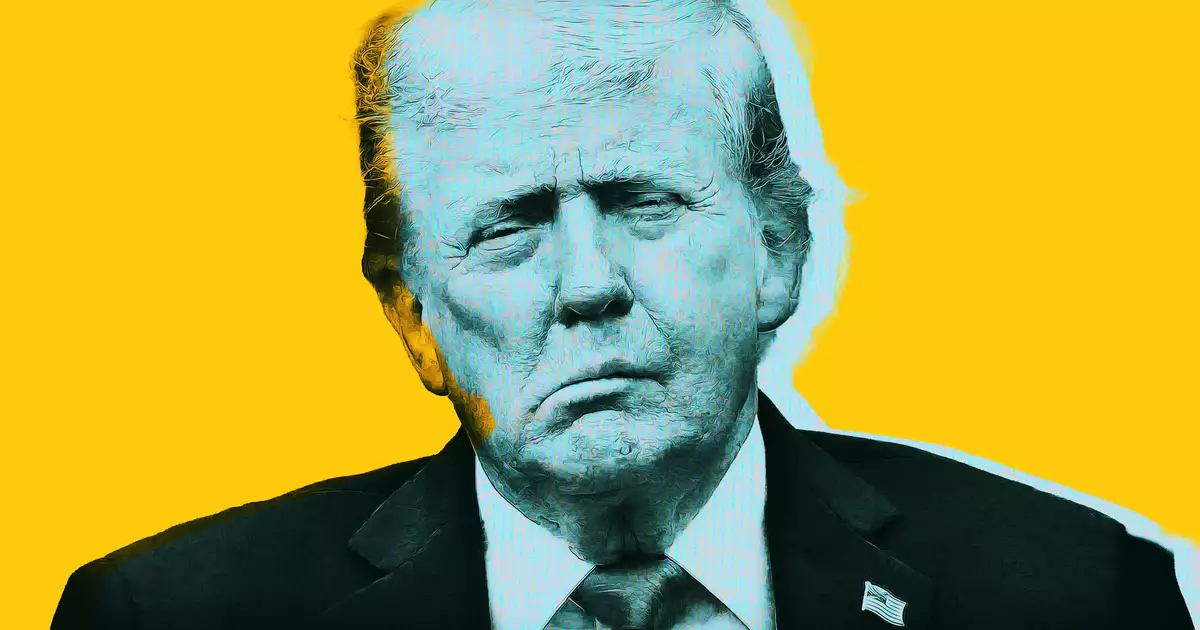

Populist Fault Lines: The Unraveling Consensus on AI Policy
The unveiling of Donald Trump’s “AI Action Plan” has done more than just set the stage for a new era of American artificial intelligence policy—it has exposed a deep and volatile fracture within the heart of the conservative coalition. Where once the right spoke with a unified voice on technology—skeptical of Silicon Valley’s influence, yet eager for deregulation—today, that unity is splintering under the weight of competing anxieties: the economic promise of AI, the existential dread of unchecked algorithms, and the cultural unease of a society on the verge of transhuman transformation.
Trump’s proposal, which promises to accelerate AI deployment through streamlined federal approvals and lighter-touch regulatory oversight, has found itself at odds with a rising chorus of populist dissent. Figures like Marjorie Taylor Greene and Steven Bannon have warned that such laissez-faire policies risk ceding control to Big Tech elites, jeopardizing child safety, mental health, and the very fabric of national cohesion. The resulting policy clash is not merely a matter of regulatory detail—it is a struggle over the soul and direction of the American right.
Deregulation Dreams and Populist Realities
At the heart of this dispute lies a fundamental contradiction. Trump’s draft order is a clarion call for innovation:
- Streamlined agency approvals to cut bureaucratic red tape
- Fast-tracked federal purchasing to ensure government adoption outpaces rivals
- Liability shields for algorithmic risk, designed to embolden private-sector experimentation
Yet, this deregulatory fervor is now running headlong into a wave of conservative skepticism. The populist wing demands:
- Algorithmic transparency to demystify black-box systems
- Age-based access controls to shield children from digital harm
- Strict data fiduciary duties to protect citizens from exploitation
This is more than a regulatory debate—it is a cultural reckoning. The language of “summoning the demon” has migrated from the tech fringe to the Republican mainstream, reflecting a broader anxiety about human-machine integration and the erosion of traditional social anchors. What began as a critique of “woke censorship” has metastasized into a full-throated challenge to the unchecked advance of AI itself.
Economic, Electoral, and Security Stakes
The policy rift is not confined to abstract principle; it carries immediate and profound economic and strategic consequences.
Deregulatory signals from the White House are already redirecting venture and private-equity capital toward firms with government procurement acumen. Yet, the specter of intraparty revolt injects headline risk, potentially depressing valuations for companies seen as overexposed to a permissive regulatory regime.
The internal GOP backlash is amplifying concerns over AI-driven job displacement, particularly in Rust Belt communities crucial to the 2024 electoral map. The phrase “algorithmic offshoring” is poised to become a campaign flashpoint, compelling both parties to propose tangible solutions—be it reshoring incentives or ambitious upskilling programs.
Behind closed doors, former Department of Defense officials endorse Trump’s push as a necessary counterweight to China’s rapid AI militarization. Yet, conservative skepticism could slow the bipartisan momentum needed for AI-heavy defense appropriations, complicating Pentagon planning and potentially ceding strategic ground to Beijing.
The Global Chessboard and the Road Ahead
The American AI debate unfolds against a backdrop of sharply diverging international approaches. The European Union’s finalized AI Act imposes a risk-tiered compliance regime, forcing U.S. tech giants to navigate a costly dual-track system. Meanwhile, China’s state-directed sandboxing of generative models allows its leadership to project an image of “responsible innovation,” even as it accelerates capability development behind closed doors.
Within the U.S., three scenarios now loom:
- Harmonized Guardrails (30%): A negotiated compromise introduces targeted child-safety and transparency mandates, preserving the core of Trump’s deregulatory agenda.
- Populist Revolt Stalls Rollout (25%): Congressional resistance delays federal AI adoption by over a year, pending the creation of an independent oversight board.
- Dual-Track Policy (45%): The federal government advances permissive rules, while states like Texas and Florida enact their own restrictive regimes, echoing America’s fragmented privacy landscape.
Strategic Imperatives for the AI Era
For technology leaders and investors, the message is clear: the days of unbridled optimism are over. Firms must now:
- Embed child-safety and transparency features by default—these are fast becoming the price of market admission.
- Price in regulatory volatility and diversify across jurisdictions to hedge against policy whiplash.
- Elevate AI ethics from advisory to fiduciary status on corporate boards, anticipating future mandates and satisfying emergent conservative scrutiny.
- Craft bipartisan narratives linking AI to national industrial strategy and middle-class job creation—distancing themselves from the specter of Big Tech elitism.
As the controversy around the AI Action Plan unfolds, it signals a new era in which cultural narratives, electoral incentives, and global power competition will shape the trajectory of American innovation. The winners will be those who can anticipate not just the next regulatory wave, but the deeper societal currents now reshaping the nation’s technological future.

 By
By
 By
By

 By
By
 By
By
 By
By

 By
By







