


A gold-plated launch meets the hard physics of the smartphone supply chain
The unveiling of the Trump Mobile T1 arrived with the kind of spectacle typically reserved for category-defining consumer electronics. Yet the early technical scrutiny—most notably the iFixit teardown—has reframed the story from breakthrough product to branding exercise, raising questions that extend well beyond one handset. At issue is not merely whether the device is compelling, but whether its positioning aligns with the realities of modern manufacturing, customer trust, and competitive differentiation in a mature smartphone market.
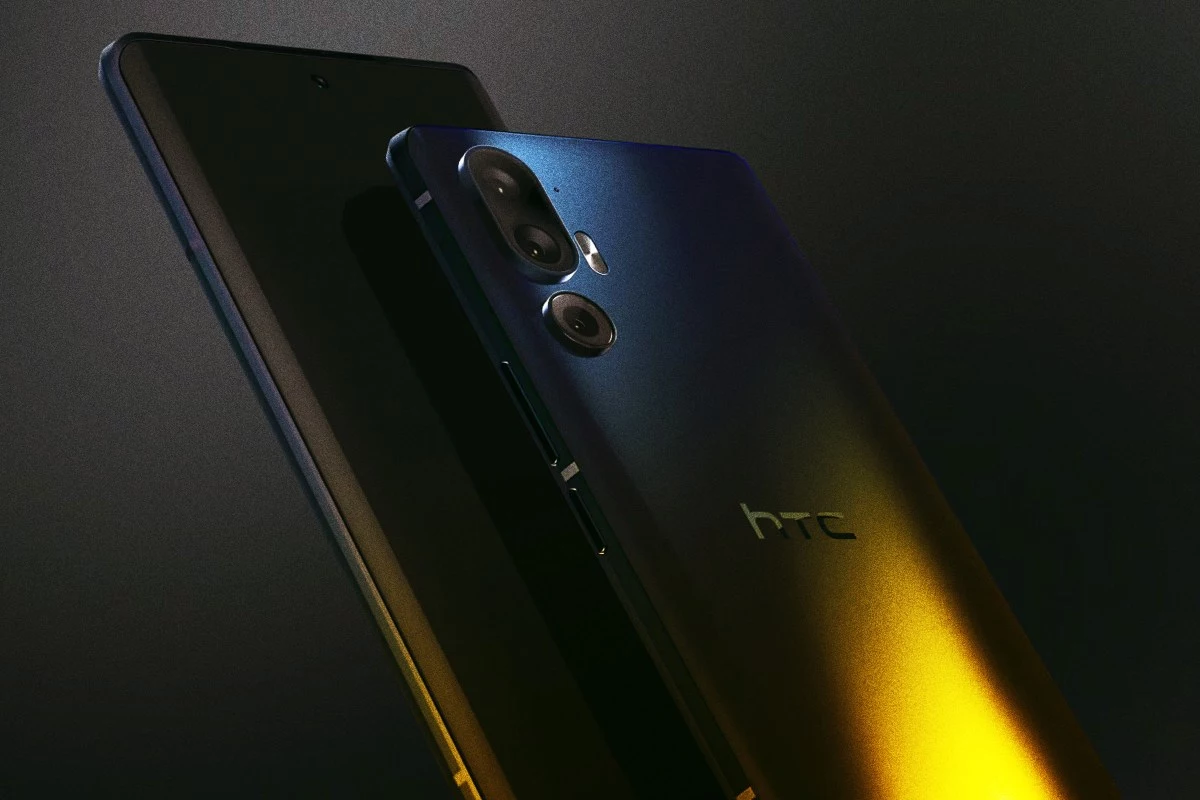
According to teardown findings, the T1 appears to be a repackaged, two-year-old HTC U24 Pro with cosmetic alterations such as a gold-plated frame and minor external tweaks. The core architecture—system-on-chip (SoC), display, battery, and other key modules—is described as materially unchanged and sourced through Chinese suppliers, a detail that collides directly with the product’s early “American-made” marketing posture.
This is the central tension: smartphones are among the most globalized consumer products ever built. Even brands that assemble devices domestically still depend on a web of upstream inputs—components, tooling, subassemblies, and fabrication capacity—concentrated in East Asia. The T1’s debut underscores how quickly a patriotic narrative can run into the immovable constraints of cost, scale, and supplier geography.
—
When “Made in the USA” becomes “American-proud”: the credibility gap executives can’t ignore
One of the most consequential developments is not technical—it is linguistic. Early promotional materials reportedly described the T1 as “made in the United States.” By January, that language shifted toward “American-proud” design, a phrase that signals identity and affiliation while avoiding a verifiable manufacturing claim. In today’s environment—where regulators, watchdogs, and consumers increasingly demand proof—such repositioning can become a reputational accelerant.
For business leaders, the risk is structural: origin claims are no longer soft marketing. They are increasingly treated as auditable assertions, especially in politically charged categories. The T1 episode illustrates how quickly the market can interpret ambiguity as evasion, particularly when third-party analysis (like teardowns) supplies a competing narrative.
Key credibility pressure points emerging from the launch include:
- Traceability expectations: Consumers and media now expect clarity on *where* devices are assembled and *where* critical components originate.
- Certification and substantiation: “Made in USA” is not merely a slogan; it implies standards that often require documented domestic content and processes.
- Narrative fragility: When messaging shifts after launch, it can signal that the company is reacting to scrutiny rather than leading with transparency.
In a broader sense, the T1 becomes a case study in economic nationalism versus operational reality. U.S. policy initiatives—such as incentives for domestic semiconductor capacity—can reshape parts of the value chain over time. But consumer electronics remain governed by razor-thin margins, massive scale economies, and deeply entrenched supplier ecosystems. Without heavy investment, long-term supplier development, and manufacturing infrastructure, “onshoring” a smartphone is less a switch to flip than a decade-long industrial project.
—
Rebranding over innovation in a market now defined by AI features and ecosystems
From a product strategy standpoint, the T1’s apparent reliance on existing mid-tier hardware highlights a familiar trap: in smartphones, aesthetic differentiation rarely substitutes for functional advantage. The market’s center of gravity has shifted toward:
- AI-driven software experiences (on-device assistants, photo enhancement, summarization, personalization)
- Camera and sensor leadership (computational photography, stabilized video, low-light performance)
- Ecosystem lock-in (services, wearables, cloud integration, cross-device continuity)
- Custom silicon and optimization (performance-per-watt, neural processing, security enclaves)
Against that backdrop, a device positioned primarily through political identity risks being evaluated as a novelty rather than a platform. Even if the T1 meets baseline expectations, the competitive set is unforgiving: established OEMs iterate relentlessly, and their differentiation increasingly lives in software, services, and long-term update commitments—areas that require sustained investment and operational maturity.
This is where the teardown matters strategically. If the device is perceived as white-label hardware with cosmetic customization, then the burden shifts to the brand to prove value elsewhere: customer support, warranty execution, software updates, privacy posture, or a differentiated service bundle. Without that, the product’s story becomes less about technology and more about symbolism—an unstable foundation for repeat purchase behavior and long-term market share.
—
Deposits, delays, and the operational test that defines brand durability
Perhaps the most commercially sensitive signal is the reported customer experience: $100 deposits, delays, and limited communication. In consumer technology, fulfillment and transparency are not back-office details; they are the product. A launch that generates early demand but fails to deliver predictable timelines can quickly convert attention into skepticism—especially when the product’s core promise is tied to trust-laden themes like national origin and authenticity.
The gap between sales projections and reported traction further sharpens the picture. Trump Mobile’s stated hope to sell 30,000 units sits uneasily beside earlier claims of 600,000 preorders, suggesting either overestimated demand, misunderstood reservation intent, or a mismatch between media buzz and purchase conversion. For executives, this is a familiar lesson: virality is not a supply chain, and attention is not the same as a scalable go-to-market engine.
Looking forward, the most durable takeaway is not partisan—it is managerial. The T1 launch reinforces several realities that apply to any brand entering hardware:
- Supply-chain transparency is becoming a competitive requirement, not a virtue signal.
- Politically charged branding amplifies downside risk when product claims are contested.
- Differentiation must be defensible—through software, service, reliability, or a clearly superior value proposition.
- Operational execution is reputational execution, especially when deposits and delivery promises are involved.
In an era where teardowns, provenance scrutiny, and real-time customer feedback can redefine a product narrative overnight, the winners will be the companies that align pledge and performance—and treat authenticity not as a marketing layer, but as an operating system for the entire business.

 By
By
 By
By

 By
By
 By
By
 By
By

 By
By







