


The Private-Label Paradox: Taste, Trust, and the New Rules of Grocery Innovation
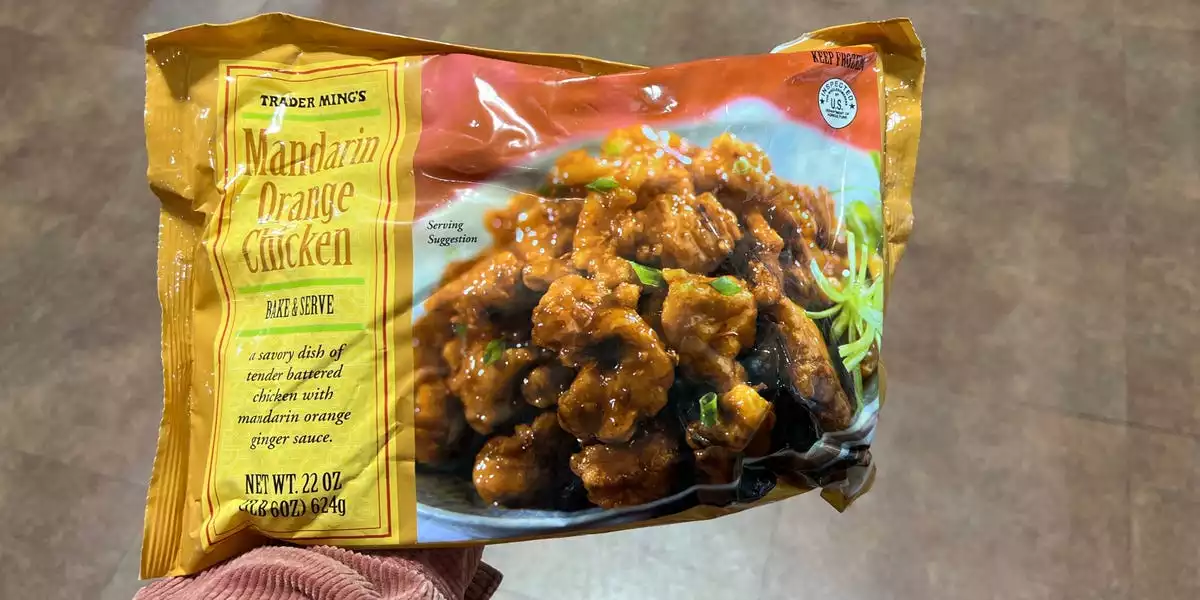
In the fluorescent-lit aisles of Trader Joe’s, the familiar hum of freezer doors and the cheerful ring of checkout bells mask a quiet revolution. A credentialed dietitian—armed with both clinical expertise and firsthand experience as a former employee—has taken to the public square, dissecting the grocer’s private-label offerings with a scalpel’s precision. Her verdicts—praise for Mandarin Orange Chicken and Dark Chocolate Peanut Butter Cups, skepticism for Cauliflower Gnocchi and oat beverages—are less a matter of taste than a reflection of seismic shifts in the $200-billion private-label and frozen-convenience food landscape.
Consumer Trust and the Health Halo: A Shifting Equation
Trader Joe’s, a retailer whose shelves are 80% private label, stands as a case study in the power of disintermediation. By bypassing legacy CPG brands, it has cultivated a direct relationship with the shopper—one that is increasingly mediated by peer experts rather than institutional authorities. The dietitian’s nuanced take resonates not merely because of her credentials, but because institutional nutrition guidance has lost its sheen; trust now flows horizontally, through micro-influencers and community voices.
The commentary exposes the fragility of the “health halo.” Once, it was enough for a product to tout cauliflower or oat milk as a badge of virtue. Today, consumers demand more: alternative formats must deliver on mouthfeel, flavor, and emotional reward. The failure of Cauliflower Gnocchi—its texture a casualty of current limits in vegetable-based starch extrusion—underscores the point. Sensory parity is the new table stakes. The rise of nostalgia-driven products (Unexpected Cheddar) and the embrace of intuitive-eating principles (permission to savor chocolate) reveal a deeper truth: emotional resonance and psychological safety are now as critical as nutrient density or price.
Technology, Data, and the Hidden Engines of Iteration
Beneath the surface, the operational machinery of grocery innovation is being rewired. The shortcomings of certain plant-based SKUs are not just culinary failures—they are signals for R&D investment in hydrocolloid blends, enzyme treatments, and advanced freezing techniques. The feedback loop is tightening: while Trader Joe’s eschews loyalty apps, it listens intently to dietitian-led micro-communities and social media, leveraging indirect data exhaust as a proxy for first-party insight.
The cold chain, once an afterthought, has become a strategic asset. Products like Mandarin Orange Chicken, which marry freezer stability with restaurant-level flavor, are beneficiaries of upgrades in energy efficiency and logistics. As remote work normalizes and consumers seek shelf-life insurance against inflation, frozen foods are regaining their place at the center of the American table.
Economic and Strategic Ripples: Indulgence, Innovation, and the Future of Plant-Based
The dietitian’s endorsements and critiques reveal a sophisticated consumer calculus. Endorsement of premium indulgences—dark chocolate peanut butter cups, for instance—signals that even as shoppers trade down in staples, they are willing to trade up in small luxuries. This “barbell effect” in discretionary spending is reshaping category management, forcing retailers to balance hedonic reward with nutritional adequacy.
Plant-based fatigue is palpable. The tepid response to oat beverages and underperforming alternative proteins suggests a reckoning: retailers who over-assorted during the pandemic-era plant-based boom now face write-downs and SKU rationalization. Capital is shifting toward next-generation precision-fermentation proteins and more robust stage-gate funding models, where repeat purchase—not just initial buzz—determines survival.
Meanwhile, the rise of micro-format flavor systems—epitomized by “Everything but the Bagel” seasoning—signals a new frontier for asset-light growth. These seasoning platforms, akin to downloadable content in gaming, embed themselves in daily routines, generating recurring engagement and valuable data without the volatility of fresh ingredients.
The New Playbook: Sensory Science, Data, and Emotional Intelligence
For decision-makers, the lesson is unmistakable. The winners in this new era will be those who:
- Prioritize sensory-first product development, leveraging advances in food tech to close the gap between alternative and traditional formats.
- Institutionalize rapid, micro-influencer–driven feedback loops, mining commentary from dietitians and social platforms to inform SKU gating and iteration.
- Balance portfolios between indulgence and health, designing hybrid products that satisfy both the palate and the conscience.
- Invest in cold-chain resilience, ensuring that frozen and refrigerated categories are ready for the next wave of consumer demand.
- Re-evaluate plant-based ROI, separating durable trends from short-lived fads through rigorous, data-driven funding models.
- Explore flavor system licensing, transforming seasoning blends into high-margin, recurring engagement platforms.
What appears, at first glance, as a casual round-up of frozen dinners and snack foods is, in truth, a bellwether. It is a glimpse into the evolving calculus of taste, trust, and value—a landscape where the boundaries between health and indulgence, tradition and innovation, are being redrawn in real time. For retailers and brand strategists, the message is clear: success will accrue to those who integrate sensory science, agile data practices, and a nuanced understanding of the consumer’s emotional and nutritional needs. The future of grocery belongs not to the loudest claims, but to the most resonant experiences.

 By
By
 By
By

 By
By
 By
By

 By
By








