

Tractian said on Oct. 22 that it raised a $130 million Series D led by Sapphire Ventures and co-led by M&G’s Catalyst strategy, valuing the Atlanta-headquartered company at $1.4 billion. The financing matters less as another unicorn marker than as a sizable bet on a harder proposition: that industrial maintenance can become a scalable physical-AI business, with sensors and software catching equipment problems early enough to change what technicians do on the floor.
That leaves a more useful question than whether investors are excited about AI. Can Tractian turn machine-failure data into measurable reductions in downtime without turning maintenance into an opaque recommendation engine? The company says its technology is used at more than 2,000 critical facilities worldwide, and it points to operations associated with Eli Lilly, McKesson, Whirlpool, Coca-Cola, Cummins and Embraer. According to The Information, Tractian’s annualized revenue has crossed $100 million and growth was running about 90% year over year, figures the outlet said came from the company’s CEO rather than audited public-company reporting.
What the funding is really buying
The immediate use of proceeds is straightforward. Tractian says the new capital will fund research and development and expand a platform that combines wireless industrial sensors, machine data and AI-generated diagnosis and maintenance recommendations. The company employs more than 700 people and has offices in Atlanta, Monterrey, São Paulo and Poland, giving it a larger operating footprint than many younger industrial-AI peers.
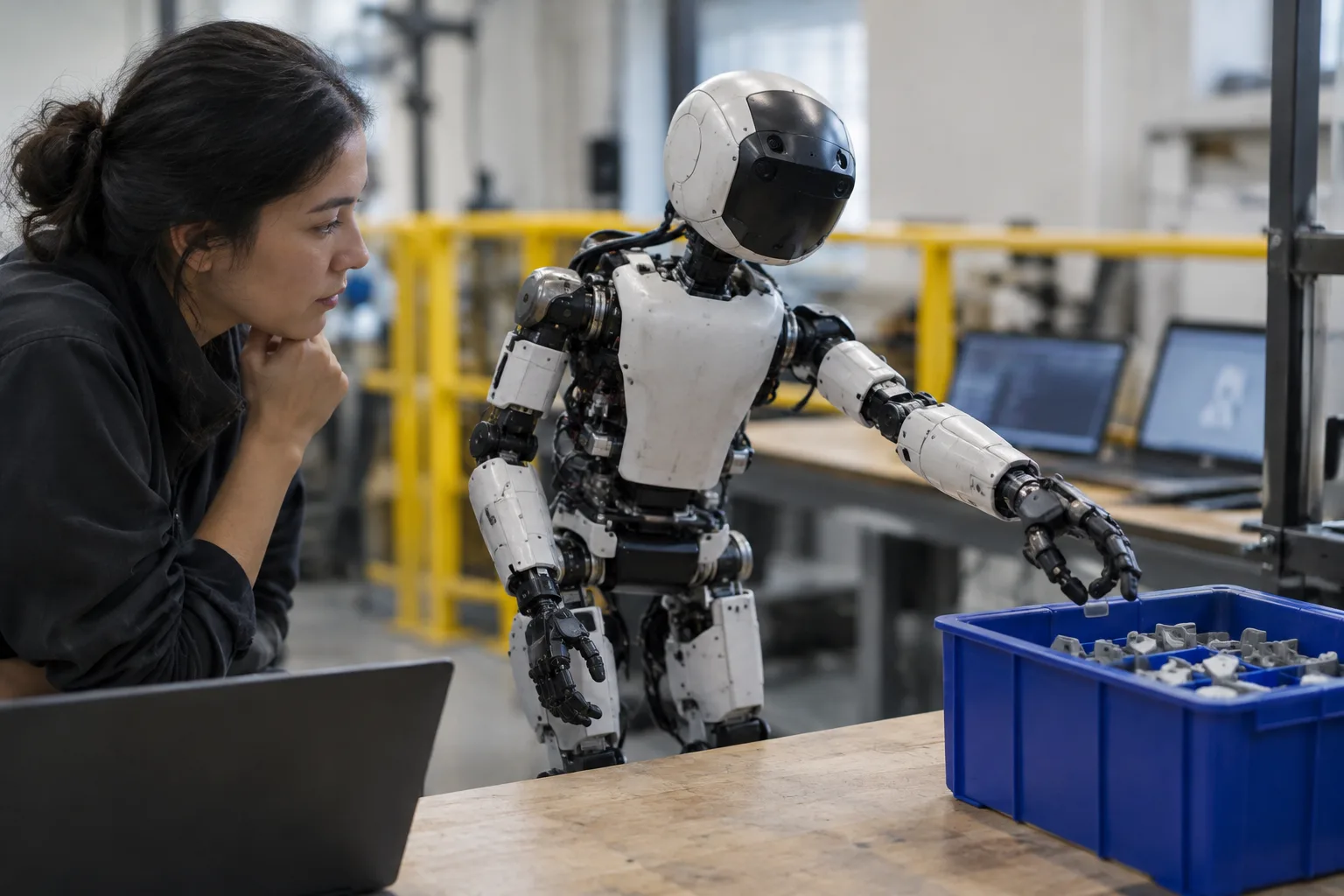
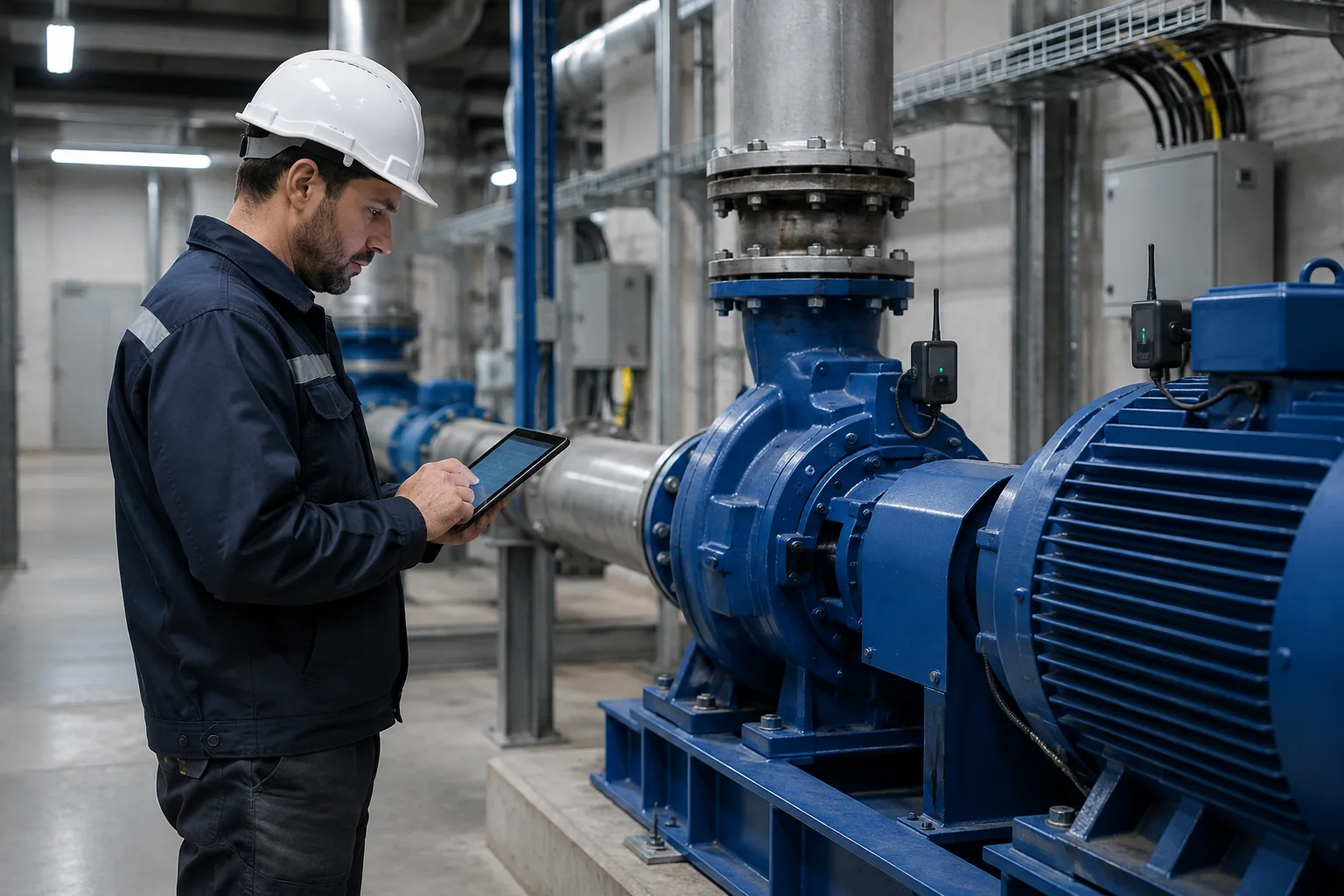
The product story starts in the physical world, not with a model prompt. Tractian retrofits equipment with sensors that measure signals such as vibration, temperature, pressure and ultrasound. Its software combines those readings with equipment history and operating context, then surfaces an alert, a likely diagnosis or a recommended repair path. The Information reported that the company uses roughly a dozen sensor types and customizes open-source models, including NVIDIA’s Nemotron, as it pushes beyond predictive failure detection toward broader equipment-health management.
That is important because the pitch is no longer just “we can tell you something may break.” Tractian is trying to own more of the maintenance loop: detection, diagnosis, suggested action and, ideally, the feedback that comes after a technician checks the machine and closes a work order. If that loop works, new deployments do more than add customers. They add labeled failure and repair history that can make later recommendations more useful.
Physical AI is won in the workflow
This is where industrial AI diverges from the consumer chatbot narrative. A language model can sound convincing with very little consequence. A maintenance system has to decide whether a noisy signal from a pump, motor, chiller or compressor is a genuine warning, a false positive or a harmless anomaly. It also has to fit into spare-parts availability, safety procedures, maintenance software and the judgment of the technician who may ignore a recommendation if it arrives without enough evidence.
That makes Tractian’s potential moat operational as much as computational. An installed base of sensors matters because it captures machine behavior over time. A large failure library matters because breakdowns are not evenly distributed across equipment types or environments. Workflow integration matters because the value is not the alert alone but whether the alert causes the right repair at the right time. Technician trust matters because the system is not established as fully autonomous; the company itself describes human or specialist review for some alerts.
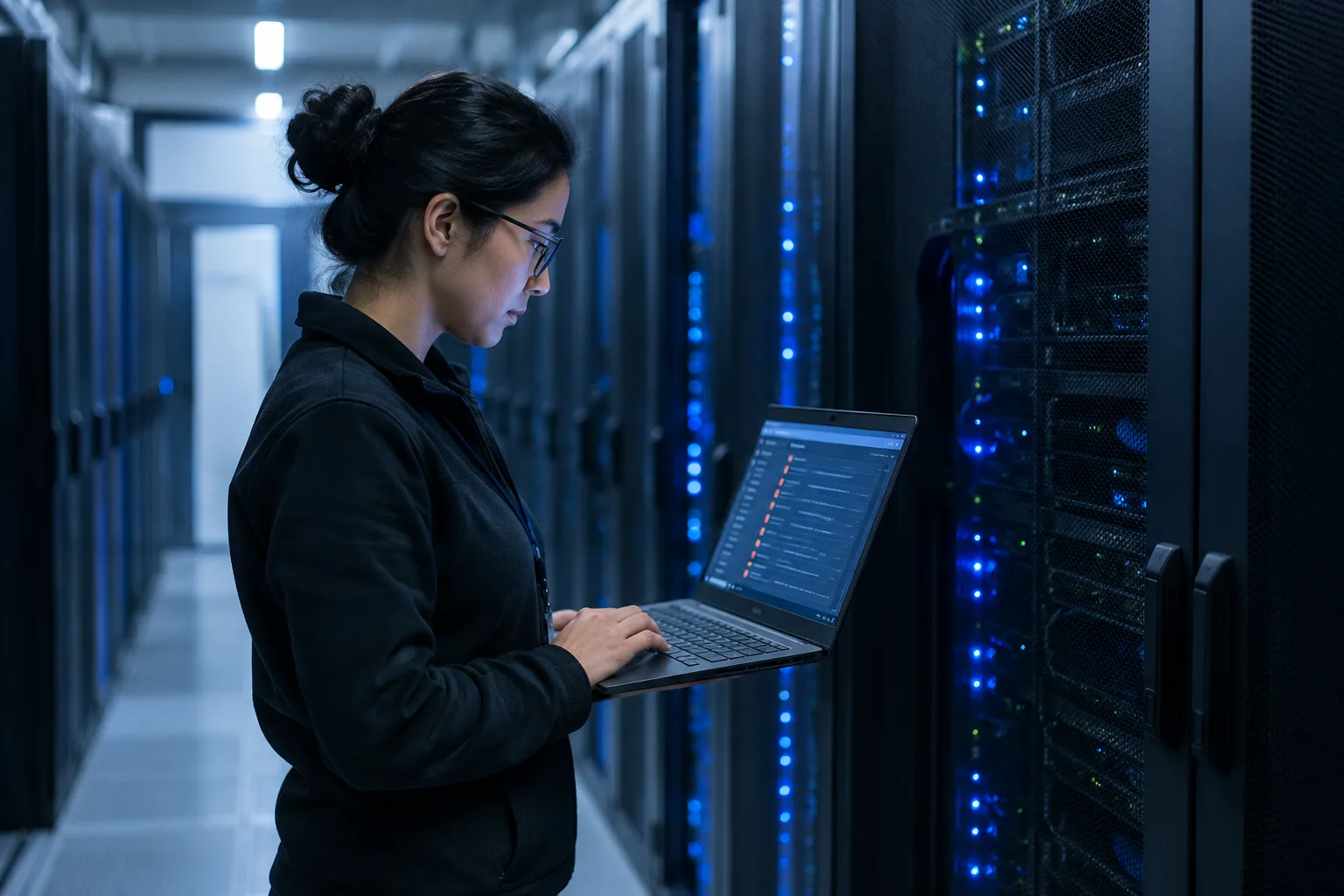
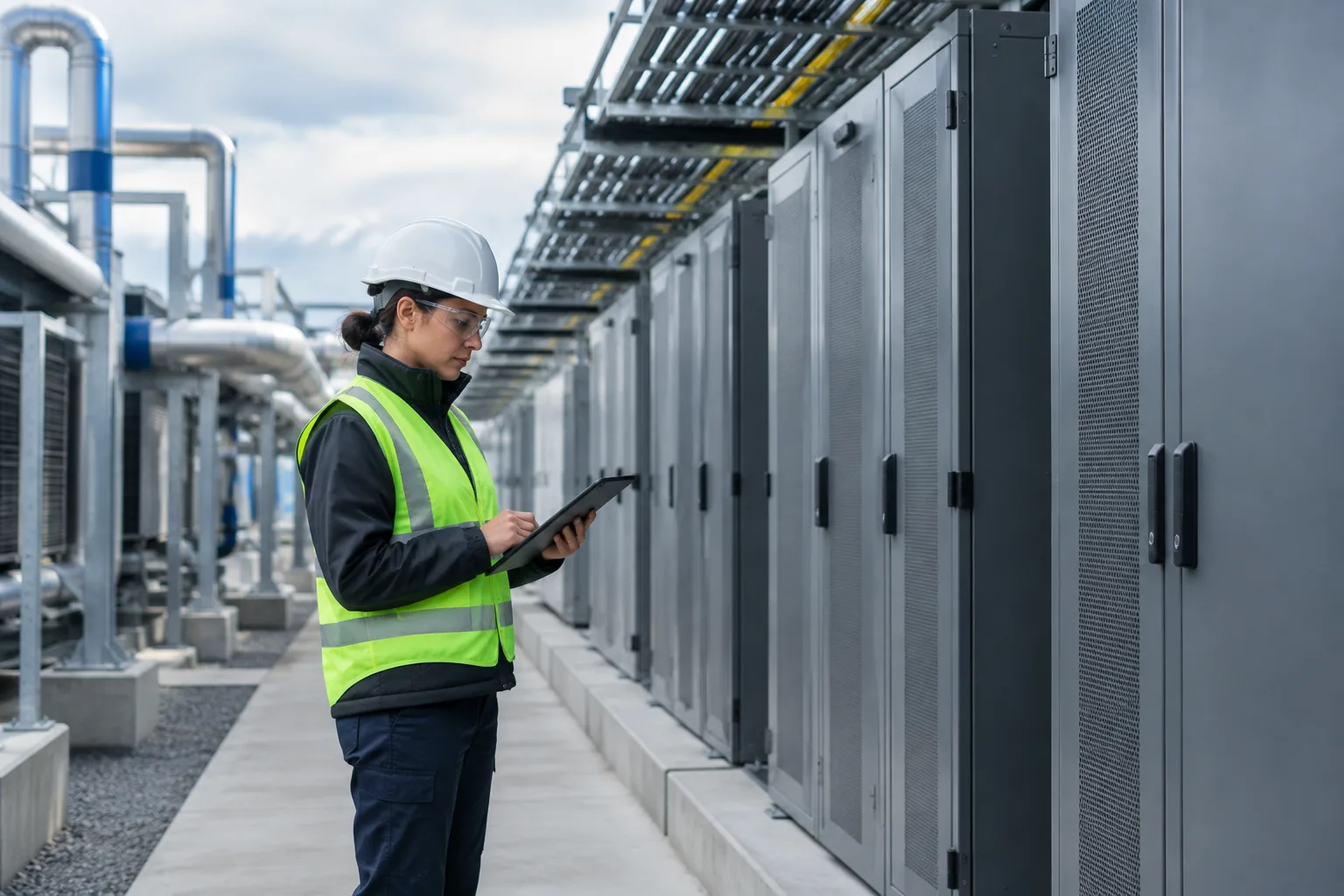
Those conditions also explain why critical infrastructure and AI data centers are attractive. Cooling, power distribution and backup systems have little tolerance for failure, so the willingness to pay for earlier detection can be high. The Information reported that critical infrastructure, including AI data centers, was Tractian’s fastest-growing customer area, while food and beverage remained its largest sector. That demand signal is real. But it does not yet show that Tractian performs better in data centers than in factories, or that the economics of serving those customers are unusually strong.
The upside case is easy to see: more sensors create more operating data, better diagnosis improves retention, and a broader customer base creates a richer failure library. The risk is just as practical. Deployments can be costly. Machine data can vary widely across plants. Extra sensors and models can add cybersecurity, privacy, training and liability concerns. And if too many recommendations still need expert review, the company may scale revenue faster than it scales software-like margins.
The diligence question now
That is why the Series D should be read as financing for an experiment already at significant scale, not as proof the experiment has succeeded. Investor interest tells the market that the category is fundable. It does not reveal Tractian’s false-positive rate, false-negative rate, missed failures or mean time to detect by equipment type. Nor does it show customer-level avoided downtime, payback periods, pricing, gross margin, renewal rates, churn, deployment cost or sensor failure rates.
For industrial buyers, the missing proof is concrete. Did downtime fall after installation? How precise are the alerts? How often do operators override recommendations? How long does deployment take, how well does the platform integrate with existing maintenance systems, and what happens contractually when a recommendation is wrong? For investors, the unanswered questions are different but equally decisive: customer acquisition cost, contribution margin, hardware economics, and how much human support is required as the installed base grows.
Tractian also has not said how the new funding will be split among sensors, data collection, model training, product engineering, sales and support, or how that spending maps to the CEO’s reported goal of reaching cash generation before the end of 2027. Those omissions do not negate the opportunity. They define the work ahead.
The most interesting outcome from here is not whether Tractian can claim a bigger model or a higher valuation. It is whether this round helps the company build a defensible machine-to-action feedback loop that competitors and in-house maintenance teams struggle to replicate. If it can show repeatable downtime reduction across plants and data centers, the business looks like a real physical-AI platform. If not, the same financing may come to look like expensive proof that industrial AI is hardest at the point where a technician has to trust it.

 By

 By

 By

 By
 By


 By

 By