
A Season of Calculated Boldness: Consumer Electronics’ Late-Year Promotional Surge
As the holiday calendar advances toward its denouement, the world’s most influential consumer-electronics brands are orchestrating a promotional crescendo unlike any in recent memory. Sony, Amazon, Valve, Lego, and Keychron have unleashed a wave of double-digit discounts, inventive bundles, and expedited shipping guarantees—a synchronized push that transcends mere inventory liquidation. Instead, it signals a nuanced response to the year’s economic crosswinds and evolving consumer appetites.
Decoding the Depths: Discounting as Strategic Signal
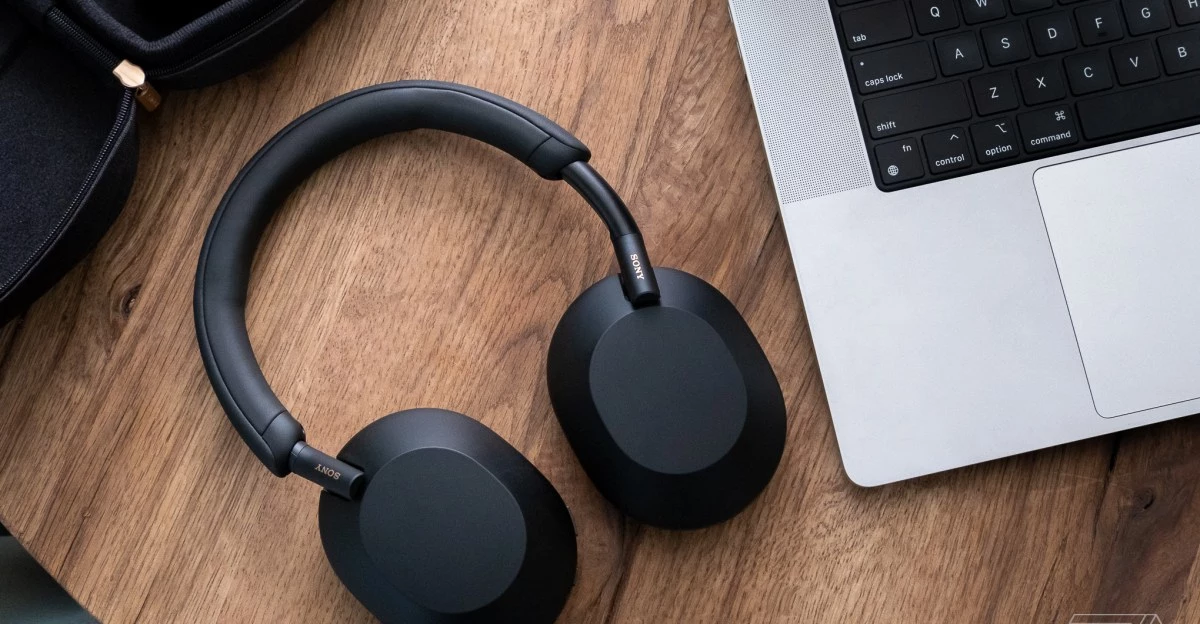
The promotional landscape this season is not merely aggressive; it is meticulously calculated. Sony’s 38% markdown on its flagship WH-1000XM5 headphones, sweetened with $120 earbuds, is more than a fleeting deal—it’s an acknowledgment of shifting price elasticity at the premium end of the audio market. Amazon, meanwhile, has deployed its “good-better-best” segmentation with surgical precision: sub-$90 Kindles and nearly 20% off the Echo Dot Max are positioned to capture value-conscious shoppers without cannibalizing margins on higher-end Fire and Echo Studio lines.
This breadth of discounting serves dual purposes:
- Inventory Management: Brands are clearing out late-2022 and early-2023 stock, such as the 11th-gen Kindle, in anticipation of new product cycles and potential tariff turbulence.
- Revenue Acceleration: By pulling forward demand, vendors aim to shore up Q4 numbers, a critical maneuver as interest-rate pressures and macroeconomic uncertainty linger.
The result is a promotional architecture that feels less like a clearance fire sale and more like a stress test—an experiment in how far price elasticity can be pushed before margins buckle.
Technology in Flux: Edge AI and the New Hardware Arms Race
Beneath the surface of these promotions lies a technological arms race reshaping the very nature of consumer devices. Sony’s eight-microphone active noise cancellation (ANC) system, once the province of enterprise-grade headsets, now sets the bar for consumer audio. As component costs plummet, expect this mic density to become standard in sub-$200 headphones by 2024, compelling rivals like Bose and Apple to accelerate their own silicon innovations.
Amazon’s Echo Dot Max, now bundled with the “Alexa Plus” subscription, signals a strategic pivot toward ambient AI and on-device processing. By running language models locally, Amazon reduces latency, slashes operating expenses, and addresses mounting privacy concerns—a move that could soon become table stakes across the smart-home sector.
Meanwhile, Keychron’s V1 Max mechanical keyboard, with its hot-swappable sockets and open-source QMK/VIA firmware, exemplifies the hardware-as-hobby movement. What was once an enthusiast’s niche is rapidly becoming a mainstream prosumer phenomenon, offering a template for how peripheral brands can cultivate cult followings and defend high-margin territory in a commoditized landscape.
On the digital front, Valve’s Steam Winter Sale pricing for indie titles like Silksong at $15.99 underscores the evolving economics of digital distribution. Deep discount events have become essential for indie developers’ long-tail monetization, yet they also condition consumers to expect perpetual sales—an existential challenge for AAA studios clinging to premium pricing models.
Navigating the Consumer-Macro Crosscurrents
This promotional surge is unfolding against a backdrop of sticky inflation and cautious optimism. U.S. core inflation remains stubbornly above target, even as real wages tick upward. Consumers are selectively trading down in discretionary categories, but they continue to reward innovation—be it in active noise cancellation or AI-enabled smart speakers.
Retailers with mastery over logistics, notably Amazon, are leveraging rapid fulfillment as a decisive competitive edge. As last-minute shoppers chase both deals and delivery guarantees, brands lacking robust two-day shipping face rising cart abandonment rates—a stark reminder that in the age of instant gratification, logistics is strategy.
Elevated financing costs are also shaping vendor behavior. With the cost of carrying inventory on the rise, brands are prioritizing sell-through over warehousing, compressing gross margins but preserving cash flow and working capital metrics as the fiscal year closes.
The Road Ahead: Strategic Lessons from a High-Stakes Holiday
The lessons of this season will reverberate well into 2024. For OEMs, the normalization of holiday discounting demands a shift from reactive markdowns to integrated promotional planning. Edge AI enablement is poised to become a baseline expectation, and cross-category bundling—exemplified by Sony’s multi-device offers—will be a critical lever for ecosystem resilience.
Retailers must continue to invest in last-mile logistics and harness the data troves generated by high-velocity promotion funnels, feeding these insights into dynamic pricing engines for future cycles. For enterprise technology leaders, the consumerization of advanced features—ANC, edge AI, customizable peripherals—offers a preview of tomorrow’s enterprise requirements, urging a recalibration of procurement and device management strategies.
This year’s late-season promotions are not merely a response to inventory pressures or fleeting demand. They are a harbinger of a more dynamic, data-driven, and technologically ambitious era in consumer electronics—a landscape where innovation, agility, and strategic foresight will determine which brands thrive amid uncertainty and which are left behind.


 By
By
 By
By
 By
By

 By
By
 By
By


 By
By
 By
By