
The Rise of the Sub-$100 Tech Gateway: Labor Day’s New Consumer Playbook
This Labor Day, the retail landscape is awash with a striking phenomenon: a dense constellation of sub-$100 technology and lifestyle deals, each carefully engineered to seduce the inflation-weary consumer. The likes of Apple’s AirPods 4 and Amazon’s 2024 Kindle—both hovering at the $89.99 mark—are not merely discounted gadgets, but strategic waypoints in a larger battle for consumer loyalty and ecosystem dominance. The Beats Pill 2024 speaker, deeply discounted gaming titles, and a host of smart-home devices round out a promotional cycle that is as much about the future of platform economics as it is about moving inventory.
Major omnichannel retailers—Amazon, Best Buy, Walmart—are orchestrating these synchronized clearances with surgical precision. The objective: stimulate demand from price-sensitive households, clear out pandemic-era inventory, and, crucially, avoid eroding average selling prices (ASPs) as the all-important Q4 approaches. This is not just a sale; it is a recalibration of the consumer electronics value chain.
The Strategic Calculus: Entry-Price Compression and Ecosystem Lock-In
At the heart of this promotional surge lies a deliberate compression of entry prices—a tactic designed to onboard new users into tightly integrated hardware-software ecosystems. Consider the implications:
- Ecosystem Entrapment: Deep discounts on AirPods, Kindle, and Echo Show are less about immediate profit and more about capturing future revenue through services—Apple Music, Audible subscriptions, Alexa-powered routines, and peripheral hardware upgrades.
- USB-C as a Merchandising Catalyst: The Kindle’s transition to USB-C is emblematic of a broader industry shift. It not only anticipates Apple’s impending USB-C iPhone lineup but also aligns with EU mandates for device interoperability. This reduces friction for consumers, streamlines accessory portfolios, and sets the stage for a new wave of high-margin charging and connectivity products.
- Smart-Home Seeding: Blink, Ring, and Echo devices, now available at entry-level prices, are quietly establishing sensor networks within households. These low-cost nodes are the Trojan horses for higher-margin cloud storage and advanced automation services, nudging consumers up the value chain.
Meanwhile, in gaming, aggressive markdowns on titles like Zelda and Jedi: Survivor reveal a shrewd content-lifecycle strategy: harvest the long tail of physical sales before the holiday blockbuster slate arrives, while deepening franchise engagement in anticipation of streaming and DLC expansions.
Navigating Inflation, Inventory, and the New Retail Calendar
The economic context is inescapable. Sub-$100 price points are not arbitrary; they are meticulously calibrated to the psychological “treat” threshold identified in recent consumer sentiment surveys. This allows households to rationalize discretionary purchases even as broader inflationary pressures persist.
- Goods Disinflation: Retailers are still unwinding the inventory glut amassed during the 2021–22 supply chain scramble. With freight rates normalizing, the imperative is to convert warehouse space into liquidity—fast.
- Tariff Buffering: Promotional pricing also serves as a partial shield against Section 301 tariff pass-throughs, preserving demand elasticity while vendors await further clarity from U.S. trade authorities.
- Calendar Pull-Forward: By front-loading promotions into Labor Day, retailers are hedging against Q4 volatility and capturing early holiday dollars—especially as student loan repayments threaten to tighten consumer budgets in the months ahead.
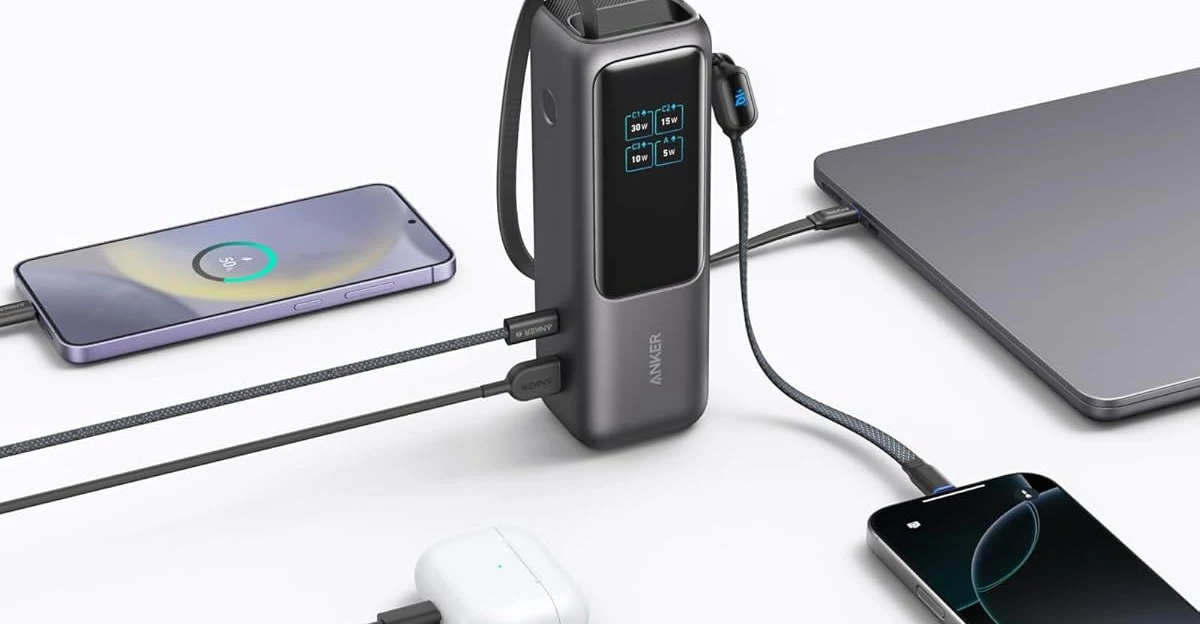
Loss-leader economics are in full effect: margins sacrificed on hardware are recuperated via subscription services—Prime, Walmart+, Best Buy Total—creating a virtuous flywheel of membership and lifetime value. The prominence of quasi-private-label brands like Anker and Ring underscores the mounting pressure on incumbent OEMs to innovate or face consolidation, as the traditional value chain compresses.
The $99 Threshold and the Future of Consumer Technology
Several patterns are crystallizing in the wake of this promotional blitz:
- The $99 Gateway: Sub-$100 devices are emerging as the new standard for onboarding consumers into cloud-tethered ecosystems, echoing the historical impact of the $199 smartphone.
- USB-C Convergence: As USB-C becomes ubiquitous, accessory fragmentation diminishes, opening lucrative opportunities in power management and cable innovation.
- Hybrid Consumer Identities: The inclusion of outdoor gear alongside tech deals signals a merging of digital and experiential lifestyles, hinting at future demand for ruggedized wearables and satellite-enabled safety devices.
- Retail Media Efficacy: Early sell-through data suggest that SKUs prioritized in sponsored placements are outperforming, validating the growing influence of retail media networks in product discovery.
Looking ahead, the collapse of hardware entry prices will sharpen the industry’s focus on bundled services—cloud storage, content, and AI-powered assistants—as the primary battleground for consumer loyalty. Investors and decision-makers would do well to monitor the capital shift from manufacturing to software R&D and the rise of retail media platforms as potent engines of product discovery.
In this new era, the $99 device is not just a bargain—it is the front door to a meticulously architected digital future. The retailers and manufacturers who master this gateway will shape the contours of consumer technology for years to come.

 By
By
 By
By

 By
By

 By
By
 By
By


 By
By


 By
By