

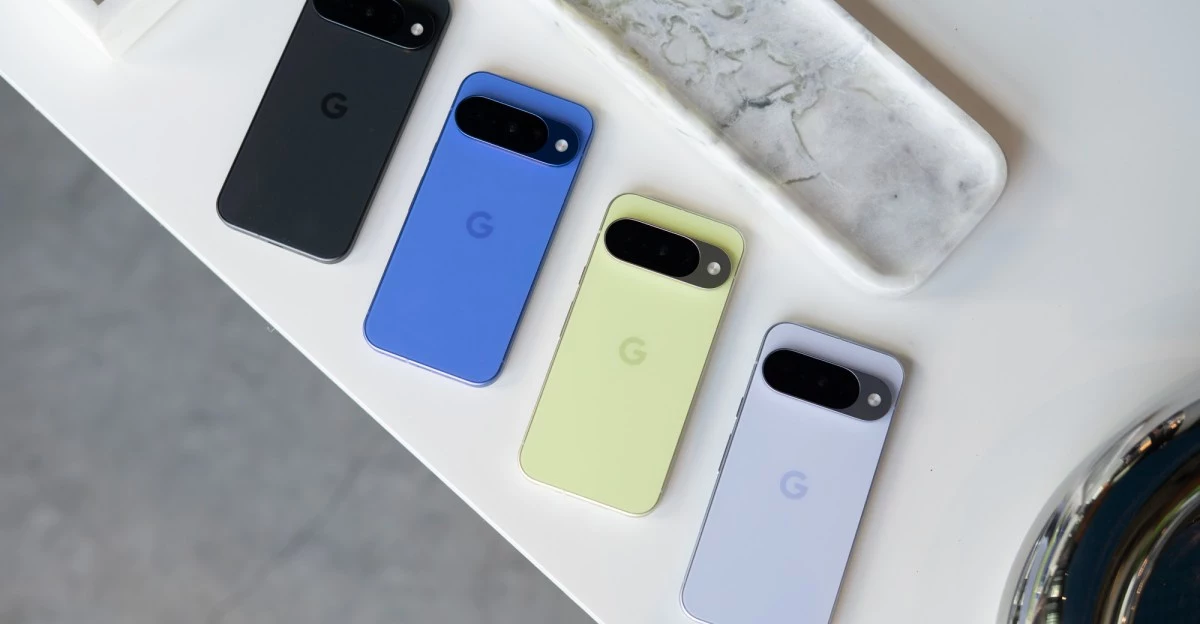

A Calculated Reset: Google’s Pixel 10 Discounts and the New Economics of AI Hardware
As the final quarter of 2024 unfolds, Google’s dramatic markdowns on its Pixel 10 flagship line have sent a ripple across the consumer electronics landscape. These are not mere seasonal discounts, but a deliberate recalibration—one that positions the Pixel 10 at mid-tier price points while preserving the trappings of a top-tier device: a 120 Hz OLED display, the custom Tensor G5 system-on-chip, and a suite of AI-driven imaging features. The coordinated nature of these cuts—spanning not just smartphones but also Qi2-ready power accessories and even Nintendo’s first-party digital titles—signals a deeper strategic pivot, one that intertwines platform economics, inventory management, and the accelerating race for AI ubiquity.
Inventory Overhangs and the New Platform Playbook
Google’s 20–30% price reductions are more than a response to tepid holiday demand. They reveal a nuanced understanding of the modern device market, where U.S. smartphone replacement cycles now stretch beyond 40 months and macroeconomic headwinds persist. By sacrificing near-term hardware margins, Google is betting on the long game: expanding its installed base to drive recurring revenues from the Play Store, Google One, and the vast data streams that power its advertising engine. This echoes the flywheel model pioneered by Amazon’s Kindle, where device sales are simply the entry point to a broader ecosystem.
For retail partners, these discounts offer a lifeline—accelerating turnover and improving cash conversion cycles just as year-end inventories are assessed. The move relieves working capital pressures and aligns incentives across the channel, ensuring that devices don’t languish on shelves as fiscal calendars reset.
Tensor G5, Qi2, and the Quiet Revolution in Device Architecture
At the heart of this strategy lies the Tensor G5, Google’s latest in-house silicon. By embedding generative AI capabilities directly into the SoC—enabling features like photo unblur, live translation, and advanced call screening—Google sidesteps the costs and latency of cloud inference. The willingness to offer these capabilities at lower price points is a bold wager: that AI-powered differentiation, not raw hardware specs, will define the next wave of consumer loyalty.
The embrace of Qi2, a universal MagSafe-style wireless charging standard, further underscores Google’s intent to erode the walls of proprietary ecosystems. By preempting Apple’s inevitable adoption of Qi2, Google invites third-party accessory makers to build platform-agnostic products, chipping away at the lucrative MFi licensing moat that has long insulated Apple’s accessory margins.
Notably, the Pixel 10’s camera stack—now featuring a telephoto lens even in the non-Pro model—narrows the gap between tiers. This move reinforces Google’s belief that computational photography, powered by AI, will continue to outpace traditional optics in shaping consumer perceptions.
Competitive Ripples and the Broader Consumer Tech Chessboard
The implications of Google’s pricing gambit extend well beyond Mountain View. Samsung, poised to launch its S24 line in February, now faces a market where “premium” Android is being redefined at the $699 threshold. This complicates channel negotiations and forces rivals to reconsider their own marketing development fund allocations.
Peripheral brands, too, are seizing the moment. Anker’s discounted 25k mAh power banks and Twelve South’s AirFly Pro 2 exemplify how accessory makers are leveraging price elasticity to offset softness in core device demand. Meanwhile, Nintendo’s aggressive e-shop markdowns—slashing prices on marquee titles by up to 50%—signal a shift toward maximizing digital attach rates as the company bridges the gap to its next hardware cycle.
Beneath these moves, less obvious linkages emerge:
- AI/ML Data Flywheel: Lower-priced Pixels expand the pool of user telemetry, feeding federated learning models that underpin the next generation of multimodal AI—effectively crowdsourcing R&D while sidestepping privacy pitfalls.
- Sustainability and ESG: Leaner inventories reduce write-offs and e-waste, aligning with looming EU right-to-repair mandates and circular economy goals—metrics increasingly scrutinized by institutional investors.
- Location-Based Ecosystems: Discounted AirTags and Pixels amplify the reach of location services, setting the stage for Google to enhance its Find My Device network and lay the groundwork for ambient computing revenue streams.
The Road Ahead: Price Elasticity, Standards, and Silicon Sovereignty
The stakes of Google’s year-end strategy will reverberate well into 2025. Should Q1 sales at these new price bands surge without eroding service revenue per user, the industry may witness a permanent realignment: hardware as the onboarding ramp to AI-era recurring revenue, rather than the profit center itself. Qi2’s momentum could hasten the demise of proprietary accessory standards, especially under the watchful eye of regulators enforcing the EU Digital Markets Act.
Perhaps most consequentially, the success of discounted Tensor G5 volumes could accelerate Google’s rumored shift to a fully custom 3 nm Tensor G6, manufactured at TSMC and bypassing Samsung’s foundry—a supply chain reconfiguration with profound geopolitical implications.
For decision-makers across the device, component, and retail sectors, the message is clear: the definition of “premium” is shifting, and the locus of value is migrating from hardware margins to the recurring, AI-powered services that devices enable. As the industry recalibrates, only those attuned to this new calculus will thrive.

 By
By
 By
By


 By
By


 By
By







