
The Golden Arches as Cultural Canvas: McDonald’s Experiential Real Estate Revolution
In the modern landscape of quick-service restaurants, McDonald’s is orchestrating a subtle yet profound metamorphosis. No longer just a purveyor of fast food, the company is reimagining its global real-estate portfolio as a tapestry of immersive experiences—each location a carefully curated intersection of local heritage, architectural theater, and digital innovation. This deliberate shift toward experiential, hyper-localized formats signals a new era in which the physical store is as much a brand-building stage as it is a distribution node.
Adaptive Reuse and Localized Design: Embedding the Brand in Community DNA
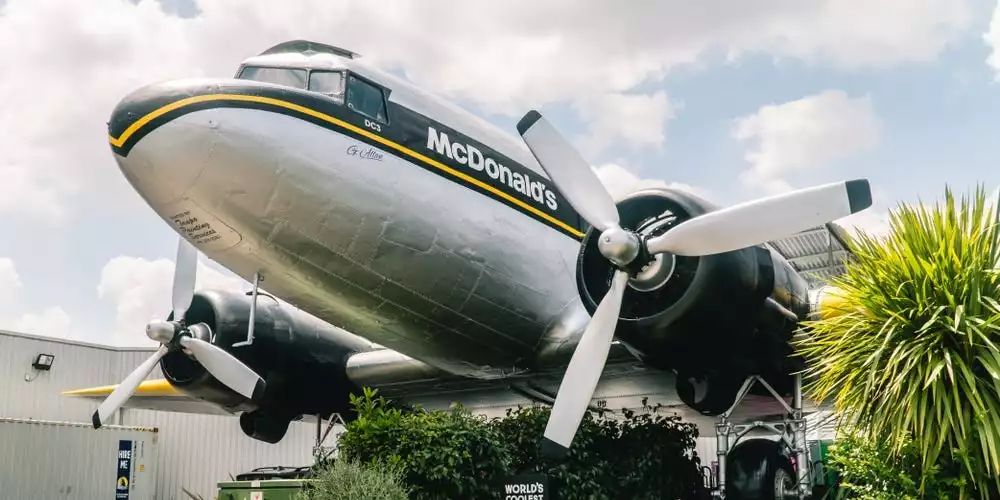
McDonald’s has long understood the power of ubiquity, but its latest strategy is rooted in differentiation. The adaptive reuse of iconic structures—a decommissioned aircraft in Taupo, New Zealand; a colonial mansion in Hangzhou; an Art Deco cinema in Porto—demonstrates a nuanced approach to real estate that transcends mere pragmatism. These sites, far from being generic outposts, are woven into the cultural and historical fabric of their locales.
- Cultural Resonance: By integrating local architectural motifs—pagoda roofs in Shenzhen, turquoise arches in Sedona—McDonald’s signals respect for community identity and navigates regulatory landscapes with diplomatic finesse.
- Sustainability by Design: Repurposing existing structures not only reduces the environmental footprint but also aligns with emerging ESG mandates, unlocking potential tax credits and green financing.
- Tourism and Social Currency: These flagship locations become micro-destinations, attracting tourists and locals alike, generating ancillary revenue through merchandise, influencer-driven content, and experiential menu offerings.
The closure of high-profile yet underperforming sites, such as the Times Square marquee, further illustrates a willingness to rationalize the portfolio—prioritizing ROI and omnichannel coherence over sheer visibility.
The Economics of Experience: From Throughput to Brand Storytelling
The quick-service restaurant sector is undergoing a profound transformation, as the lines between fast food and experiential retail blur. McDonald’s is at the vanguard, leveraging its flagship stores as both real-world laboratories and omnichannel anchors.
- Premiumization of Experience: Out-of-home dining is converging with the “experience economy”—consumers are willing to pay more for novelty, photogenic design, and narrative authenticity. While flagship experiences may yield thinner immediate margins, they generate outsized earned media value and higher average ticket sizes through souvenir sales and menu experimentation.
- Data-Driven Optimization: These architecturally complex venues serve as live A/B test sites. Computer-vision analytics track traffic patterns and dwell times, feeding insights back into the company’s analytics engine. This data informs everything from store layout to menu innovation, shaping the future of smaller, more automated formats.
- Asset-Light Expansion: Adaptive reuse and franchising lower land-acquisition costs and accelerate time-to-opening, while franchisees shoulder much of the build-out investment. The result is a systemwide boost in return on invested capital, even as unit economics vary across the portfolio.
Navigating the New QSR Landscape: Competition, Technology, and Social Impact
As delivery apps siphon off routine transactions, physical stores must evolve into social venues—places where the act of dining is as much about the environment as the meal itself. McDonald’s experimental stores pre-empt encroachment by fast-casual upstarts like Starbucks Reserve and Shake Shack, positioning the brand at the intersection of convenience and cultural relevance.
- Technological Integration: Digital layering—self-order kiosks, mobile curbside pick-up, geofenced marketing—harmonizes the needs of novelty-seeking tourists and speed-oriented locals. Sustainability tech piloted in heritage sites, such as energy-efficient HVAC and IoT lighting, is poised for broader deployment.
- Monetizing Cultural IP: The narrative capital of unique sites can be harnessed through limited-edition menu items, AR collectibles, or co-branded tourism packages, creating incremental revenue streams without significant food innovation.
- Talent Magnetism: Visually distinctive, culturally embedded stores attract a more diverse applicant pool and foster higher retention—crucial advantages amid chronic labor shortages in the QSR sector.
Strategic Imperatives: Lessons for Industry Leaders
The implications for decision-makers are clear. The future of QSR real estate lies at the nexus of adaptive reuse, experiential design, and data-driven agility. Executives should:
- Audit portfolios for adaptive-reuse candidates that can serve as brand storytelling stages.
- Layer advanced analytics into flagship venues to quantify experiential ROI.
- Infuse local cultural motifs into design frameworks to streamline international expansion.
- Align sustainability pilots with heritage renovations to unlock green financing and bolster ESG scores.
As the battle for consumer attention, regulatory goodwill, and omnichannel coherence intensifies, McDonald’s architectural one-offs emerge not as curiosities but as strategic probes—testing the boundaries of what a restaurant can be. For those attuned to the experiential calculus embedded in these sites, the rewards are as enduring as the golden arches themselves.

 By
By
 By
By
 By
By
 By
By
 By
By


 By
By