


From Sidelines to Center Stage: The Shifting Economics of Athletic Labor
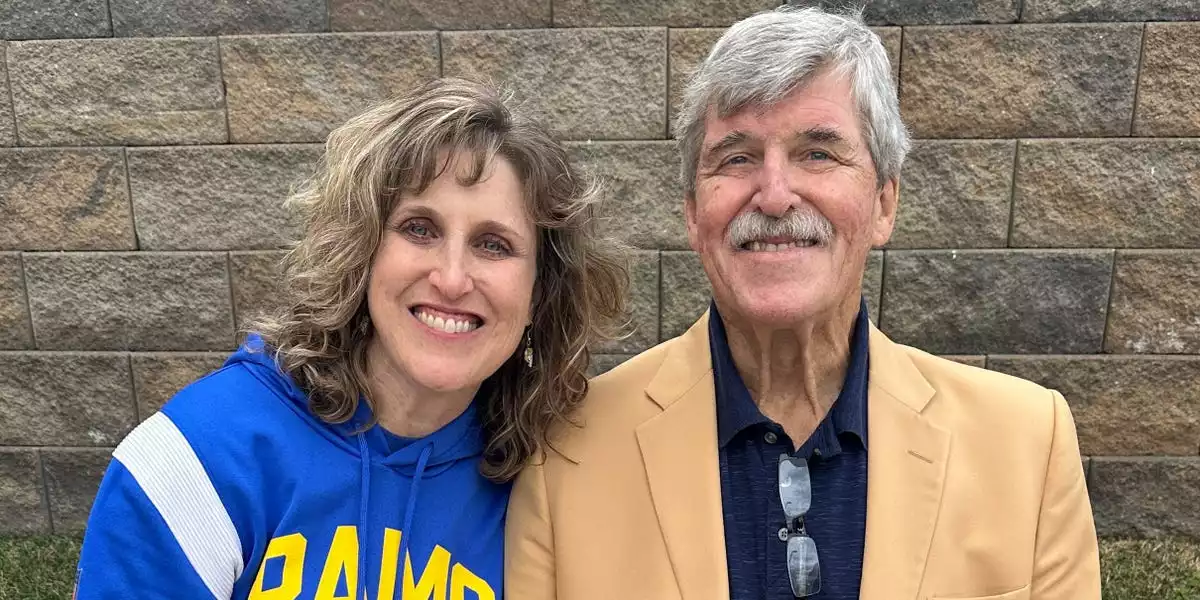
Tom Mack’s story, at first glance, reads as a warm familial tribute—a daughter’s recollection of sideline passes, postgame handshakes, and the quiet pride of a Hall-of-Fame father who balanced the brute force of NFL line play with the precision of mechanical engineering. Yet, beneath the nostalgia, Mack’s journey offers an incisive lens on the tectonic shifts reshaping the business of sports, the architecture of personal brands, and the very nature of professional resilience.
The transformation is most stark in the economics of athletic labor. In Mack’s era, offseason employment was not a quirk but a necessity; NFL salaries, then a fraction of today’s median $2.8 million, compelled even the game’s elite to hedge their futures with parallel careers. This duality—athlete and engineer—mirrored a broader ethos of self-reliance and long-term planning. Fast-forward to the present, and the calculus has inverted: broadcast rights, global merchandising, and the explosive rise of sports betting have inflated player compensation to levels that concentrate both risk and reward in a single, all-consuming vocation.
For leaders beyond the stadium, the implications are profound. The sports labor market now resembles high-skill, audience-driven sectors across the economy, from tech to entertainment. Retention strategies increasingly borrow from the playbook of franchise contracts—layering incentives for loyalty, performance, and brand ambassadorship. Yet, as the wealth-management gap widens, so too does the need for robust financial-literacy programs, echoing the pressures faced by tech professionals navigating equity windfalls and compressed career arcs.
The Digital Persona: Asset, Risk, and Opportunity
Where Mack’s indifference to the spotlight once typified the professional athlete, today’s stars are expected to curate multi-platform personas—on TikTok, X, Instagram, and beyond. The athlete is now both performer and publisher, leveraging direct-to-fan channels that rival, and often surpass, the reach of traditional media. This digital disintermediation creates new asset classes: a player’s social following can command CPMs on par with cable television, transforming every post, podcast, or livestream into a monetizable touchpoint.
Yet, the authenticity premium has never been higher. Mack’s humility—his reluctance to self-mythologize—resonates precisely because it is so rare in an era of hyper-curated narratives. Brands and organizations that embrace “earned not staged” storytelling, foregrounding unfiltered moments and family narratives, enjoy trust metrics that algorithmic reach alone cannot buy. The access economy, once the domain of sideline passes and locker-room anecdotes, now extends to the digital sphere, where even the families of athletes become extensions of the brand narrative—a phenomenon exemplified by the Manning and Kelce dynasties.
For marketers, the lesson is clear: co-creating content with retired legends or under-leveraged alumni can yield high-authenticity engagement that outperforms celebrity influencer campaigns. Podcasts, LinkedIn Live events, and micro-community activations offer a low-cost, high-impact alternative to traditional advertising, especially in B2B contexts where reputation and trust are paramount.
Dual-Career Resilience and the Future of Human Capital
Mack’s seamless transition from the gridiron to engineering underscores the enduring value of cross-disciplinary skills—a lesson with growing resonance in today’s high-burnout professions. As organizations grapple with the challenge of retaining top talent in fields like cybersecurity or software development, the case for formalized “parallel-career” tracks becomes compelling. Such pathways not only preserve intellectual capital but also mitigate turnover, fostering a culture of lifelong learning and adaptability.
Alumni networks, too, emerge as strategic assets. The Hall-of-Fame reunions that punctuate Mack’s post-career life function as living repositories of institutional knowledge and culture. In the corporate world, “boomerang” alumni programs can drive innovation and brand loyalty, transforming former employees into ambassadors, mentors, and even clients.
Navigating the New Intersection of Sports, Media, and Corporate Strategy
The convergence of streaming, legalized sports betting, and immersive fan experiences is poised to further disrupt the economics of sports media. Athlete unions are already negotiating for a share of emergent revenue streams—NFTs, virtual jerseys, and beyond—pressuring franchises and IP-rich industries alike to rethink value distribution. Meanwhile, the growing importance of digital-footprint governance extends beyond executives to their families, as every social post becomes a potential reputational flashpoint.
For decision-makers, the questions are urgent and complex:
- How should compensation structures balance short-term performance with long-term resilience?
- What untapped alumni or retiree networks can be reactivated as authentic brand ambassadors?
- Are high-visibility employees being prepared for lifecycle transitions that protect both their welfare and the organization’s intellectual property?
- Does the social-media strategy harmonize algorithmic reach with the authenticity premium demanded by modern audiences?
Tom Mack’s understated legacy, viewed through this strategic prism, is a timely reminder that sustainable advantage lies not in spectacle or scale, but at the intersection of foresight, authenticity, and the quiet mastery of one’s craft. In a world obsessed with the next big thing, it is the lessons of resilience, humility, and cross-disciplinary agility that will endure.

 By
By
 By
By
 By
By
 By
By
 By
By


 By
By







